Croatia Sailing Guide 2026: Bases, Itineraries, Costs & the Best Time to Go
Updated May 2026.
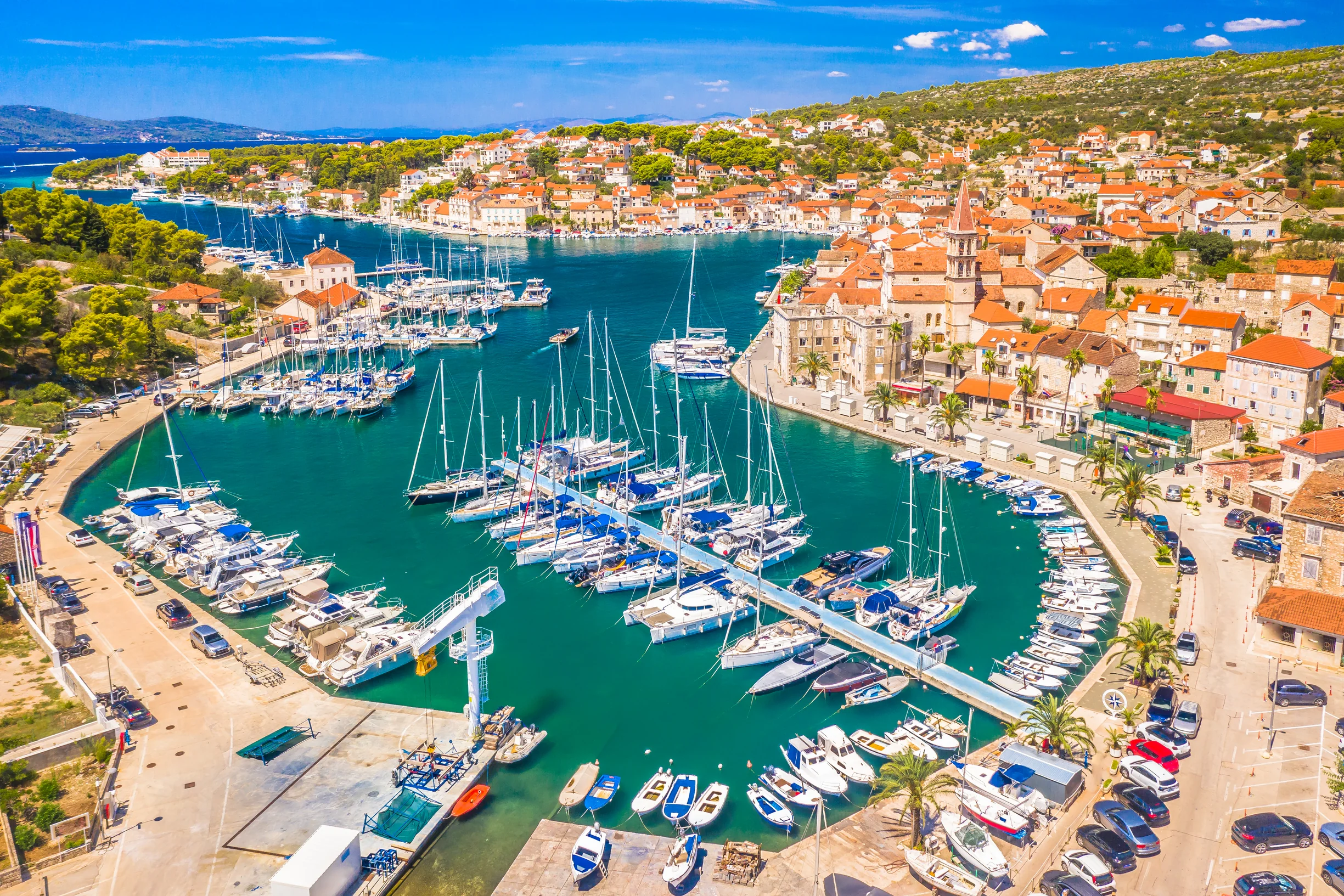
Croatia is the busiest charter coastline in the Mediterranean and probably the easiest. Inside its 1,800 kilometres of mainland coast and 1,200+ islands you have four distinct cruising grounds — Istria in the north, Kvarner just below it, North and Central Dalmatia in the middle, and South Dalmatia around Dubrovnik. Distances between anchorages are short, the infrastructure is excellent, and the country has more crewed and bareboat charter options per kilometre of coast than any other Mediterranean market. This guide covers the choice of region, the choice of base, the choice of season, and the realistic costs you’ll see in 2026.
The four Croatian cruising grounds, ranked by who they suit
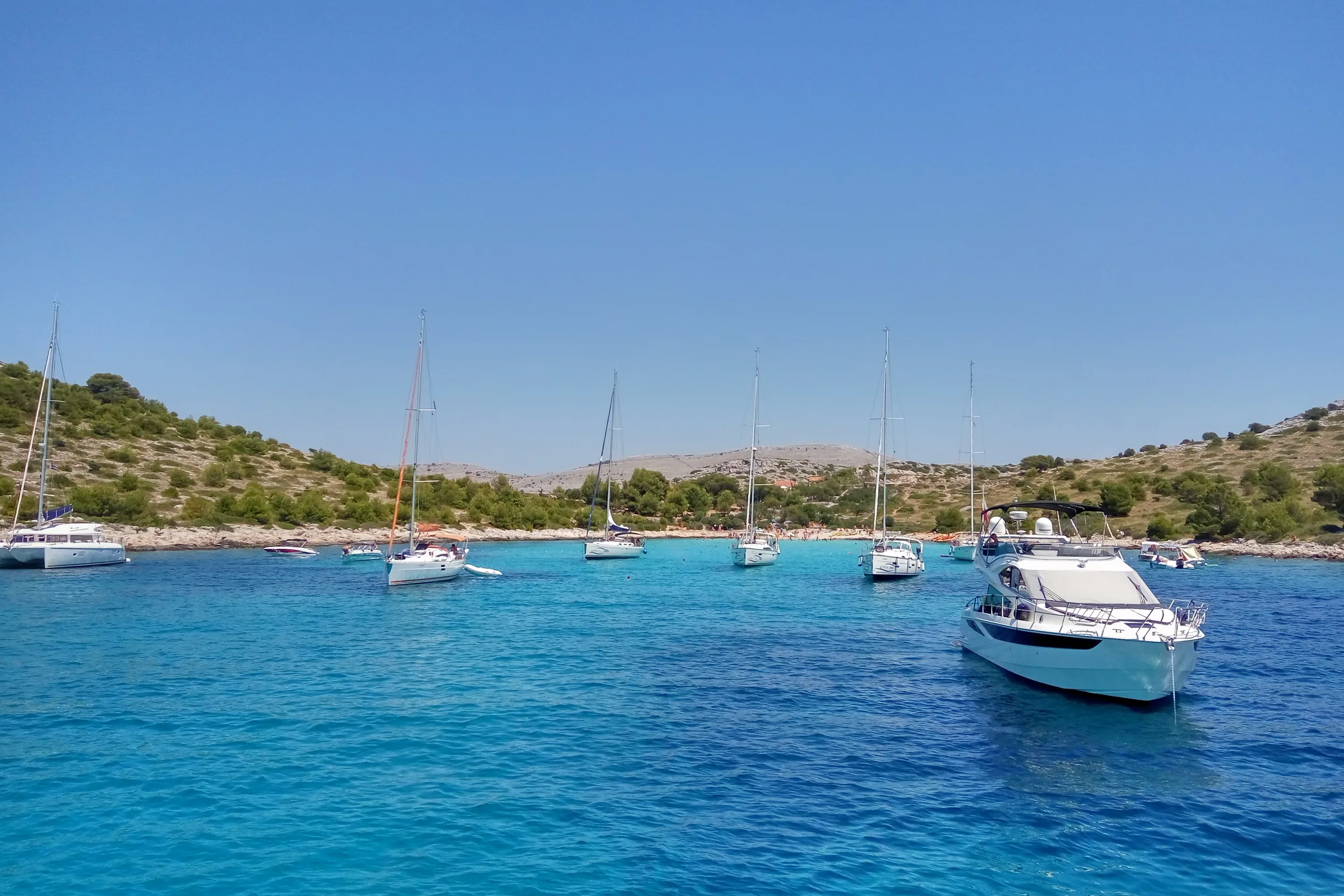
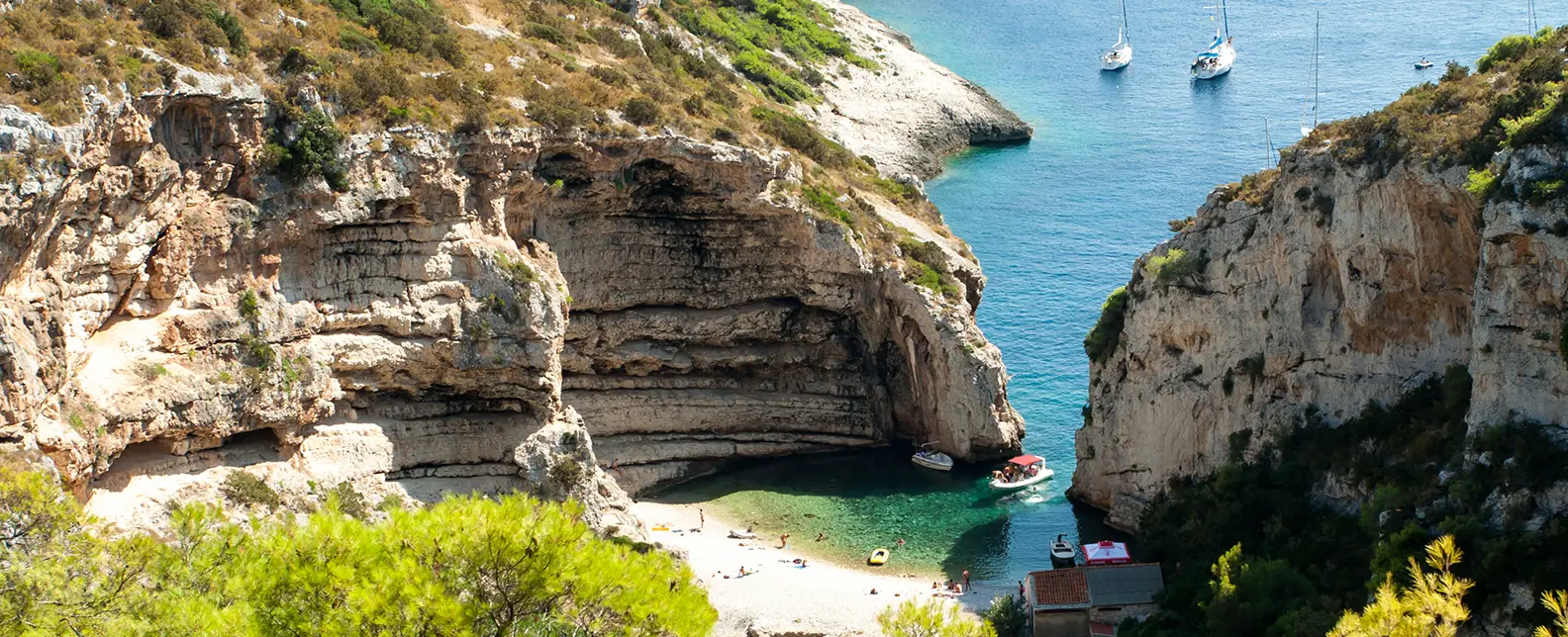
Central Dalmatia — Split, Hvar, Vis, Brač, Pakleni, the islands south of Šibenik — is the busiest and most diverse. It carries the largest charter fleet, the densest restaurant scene, the most marquee anchorages, and (correspondingly) the worst peak-summer crowding. It’s the right answer for first-timers, repeat charterers, and anyone who wants to see the Croatia of the postcards. The 7-day Split itinerary is the working week.
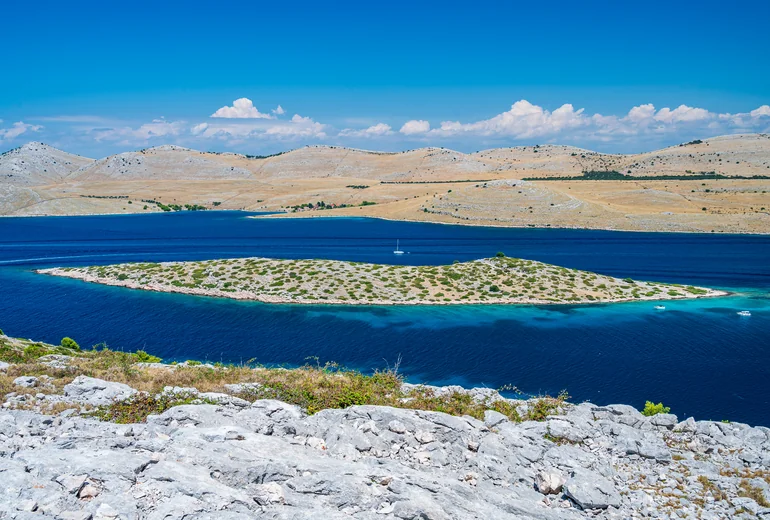
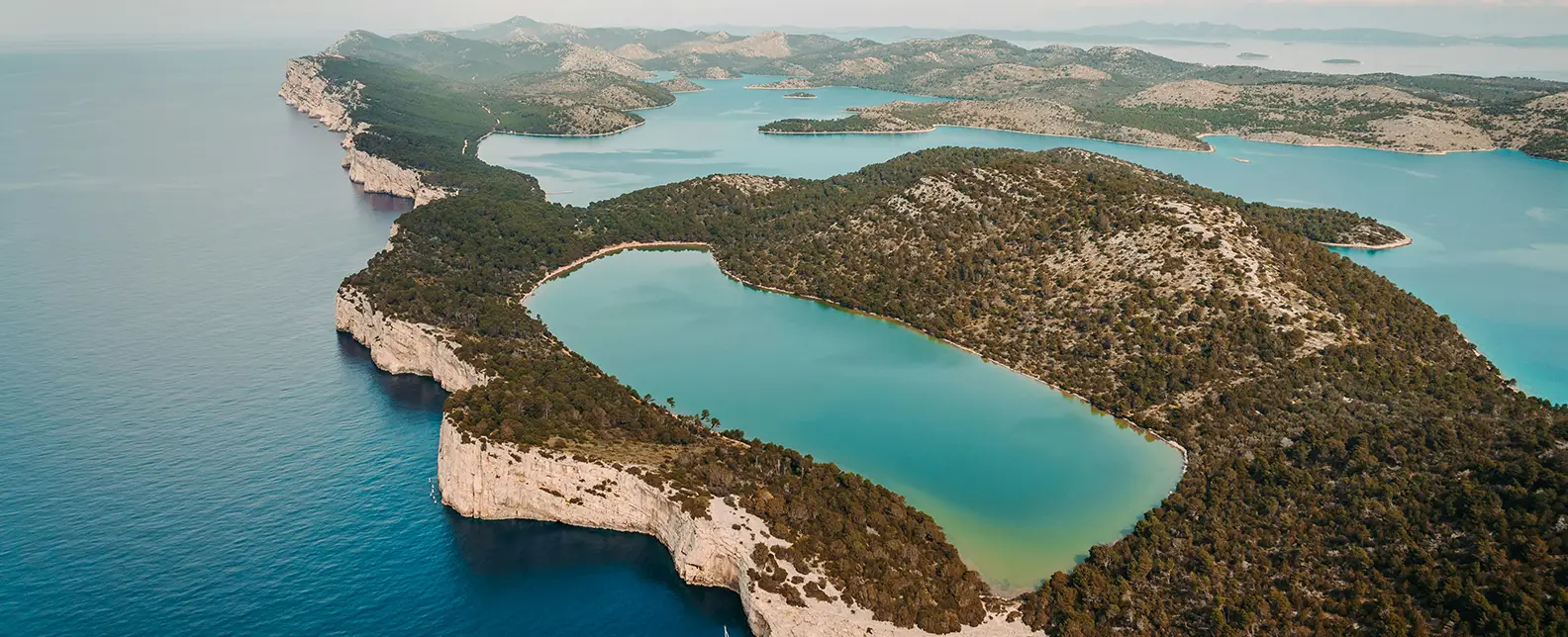
North Dalmatia — Zadar, Šibenik, Trogir, Kornati, Krka National Park — is the quieter alternative. Distances are shorter, the Kornati archipelago is one of the most distinctive cruising areas in the Mediterranean, and the marina infrastructure (Marina Mandalina, Marina Frapa, ACI Trogir) is newer than in Split. The Kornati guide covers the centrepiece in detail.
South Dalmatia — Dubrovnik, Mljet, Korčula, Lastovo, the Pelješac peninsula — is the wildest. Longer legs between islands, fewer charter boats, the prettiest single town on the Croatian coast (Dubrovnik), and a seamless extension into Montenegro. The 7-day Dubrovnik itinerary is the route. The Mljet and Lastovo deep-dive covers the National Park and the quietest islands in the southern Adriatic.
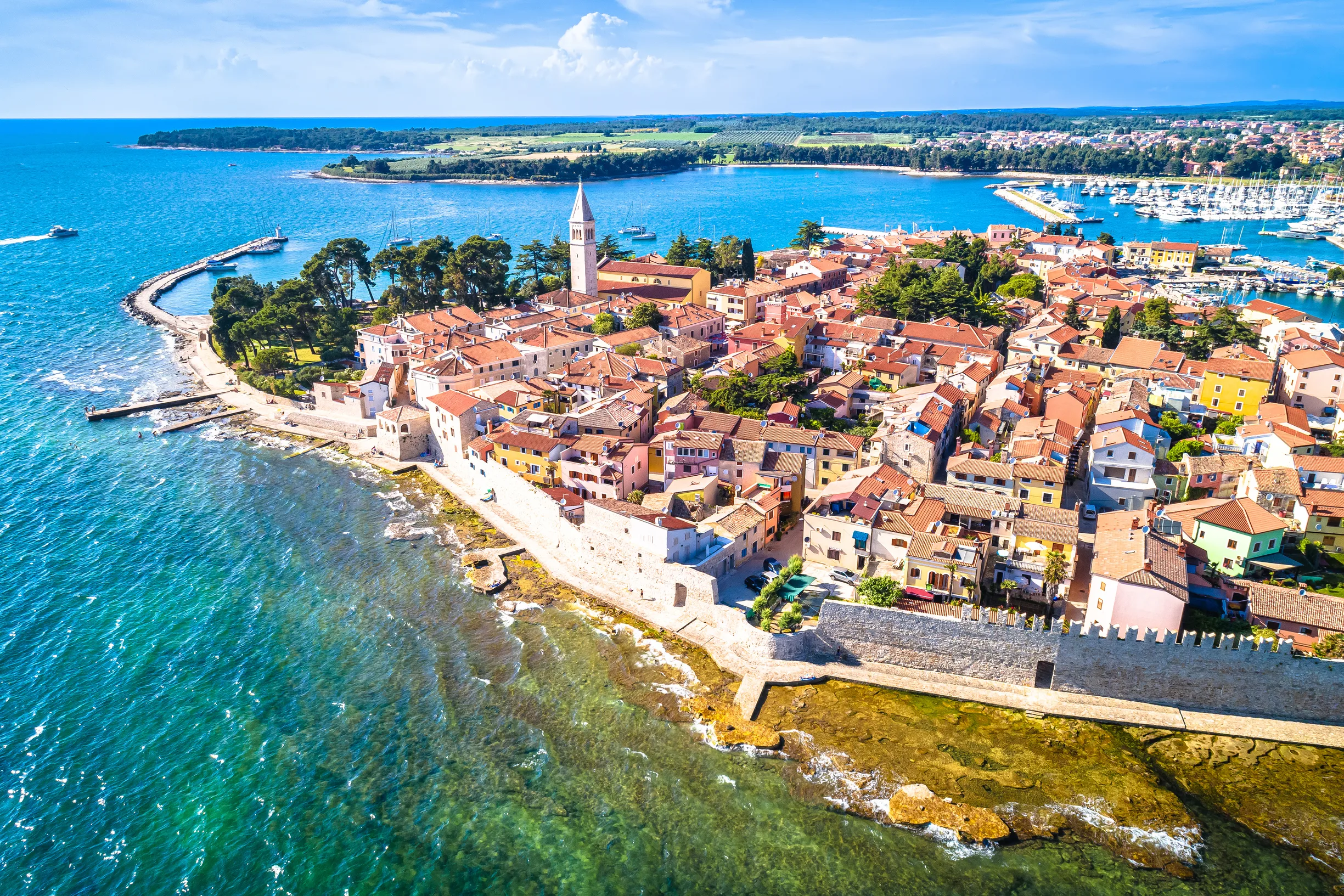
Istria and Kvarner — Pula, Rovinj, Cres, Lošinj — are the northern Adriatic. Cooler, quieter, less Cycladic-pretty, more architectural. A different aesthetic from Dalmatia. Worth a charter for repeat visitors who’ve already seen the south. See the 7-day Pula itinerary for the working week.
Best months for a Croatian charter
May — water still at 17–19 °C, but anchorages are empty, prices are 30% off peak, and the wind is light. Good for sail-first crews who don’t mind a wetsuit-style swim.
June — the sweet spot. Water reaches 22 °C, the marquee crowd hasn’t arrived yet, the meltemi-equivalent (the maestral, the Adriatic afternoon thermal) is reliable but not aggressive.
July — peak season. Hvar town fills by 16:00, ACI marinas are at capacity, Croatian domestic holidays add their own load. Charter prices peak.
August — peak-peak. The Italian and German vacation overlap turns Hvar, Split, Trogir into floating multi-language villages. Avoid if you can.
September — the locals’ month. Water at 24 °C, schoolkids gone, marina prices ease, and the maestral is at its most predictable. The single best Croatian sailing month if you can pick one.
Charter bases — where to pick up the boat
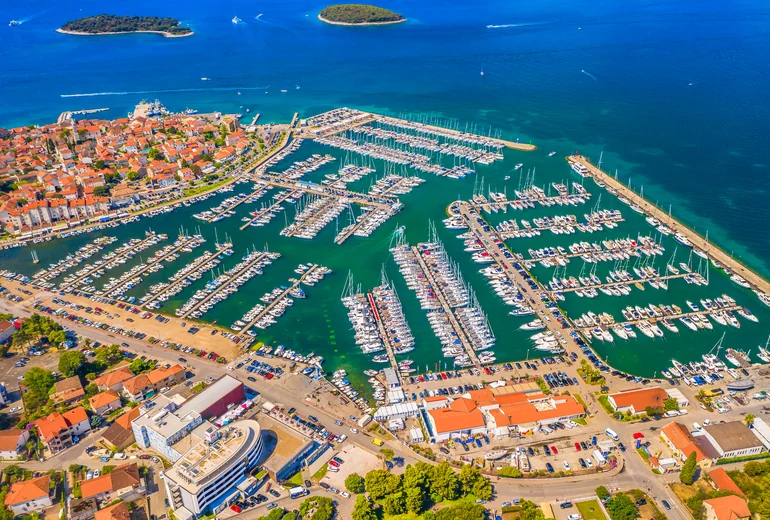
Split: ACI Split (the original, central) and Marina Kaštela (newer, larger, slightly outside the city) hold the largest charter fleets in Croatia. Direct flights to Split from most northern European hubs.
Trogir: ACI Trogir is 25 minutes from Split airport — closer than the Split bases. The fleet is mid-sized, well-maintained, and Saturday handover is calmer than Split’s. The Trogir itinerary covers the routes from this base.
Šibenik / Biograd: Marina Mandalina (Šibenik), Marina Frapa (Rogoznica), Marina Kornati (Biograd) — the North Dalmatia bases. Closer to the Kornati archipelago than the Split fleet.
Dubrovnik: ACI Dubrovnik (Komolac) and Marina Frapa Dubrovnik. The southern base, smaller fleet, newer average boat age.
Pula: Pula’s ACI marina is the Istrian gateway. Smaller fleet than the Dalmatian bases.
Boat type — what fits Croatia
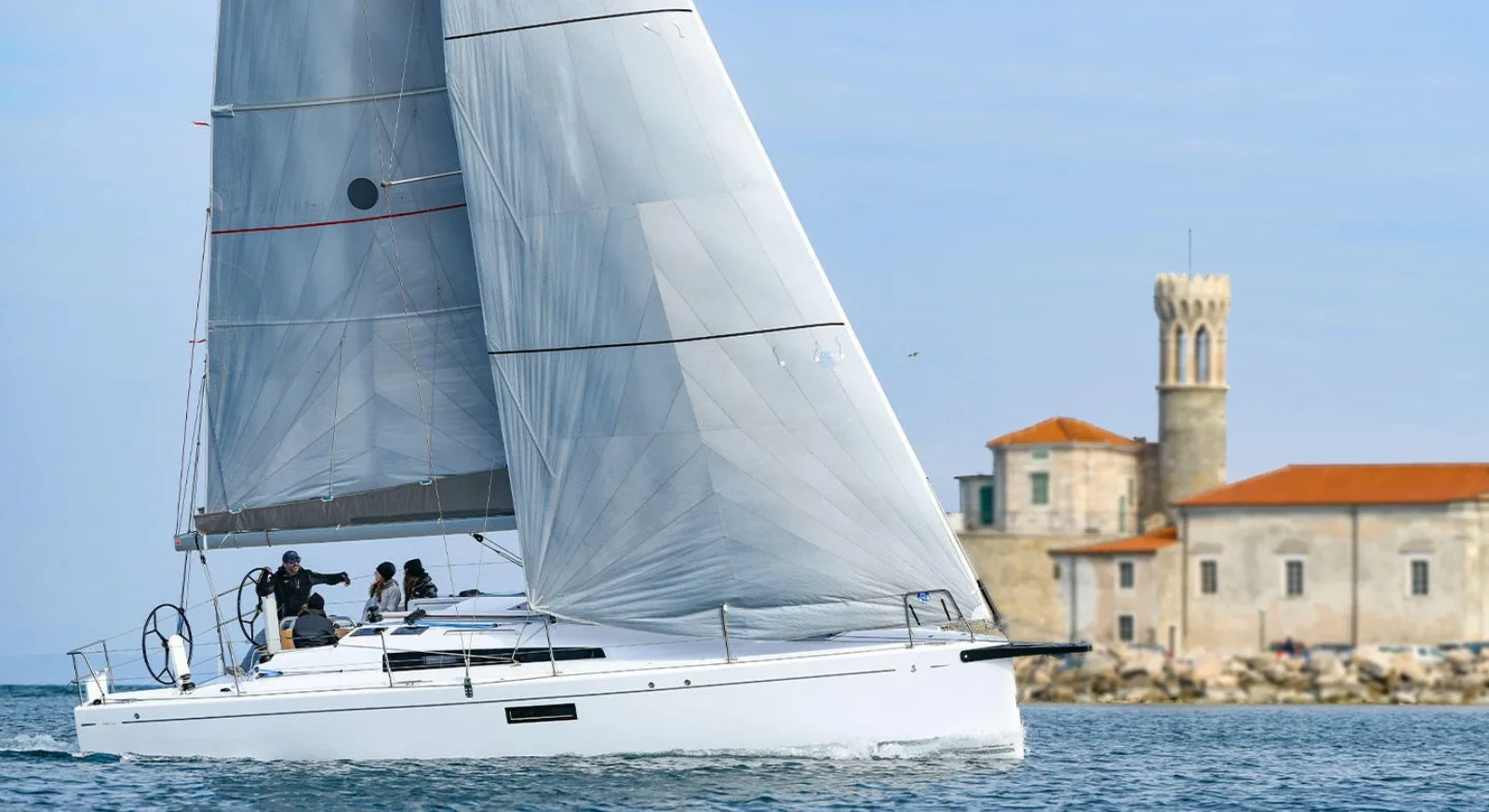
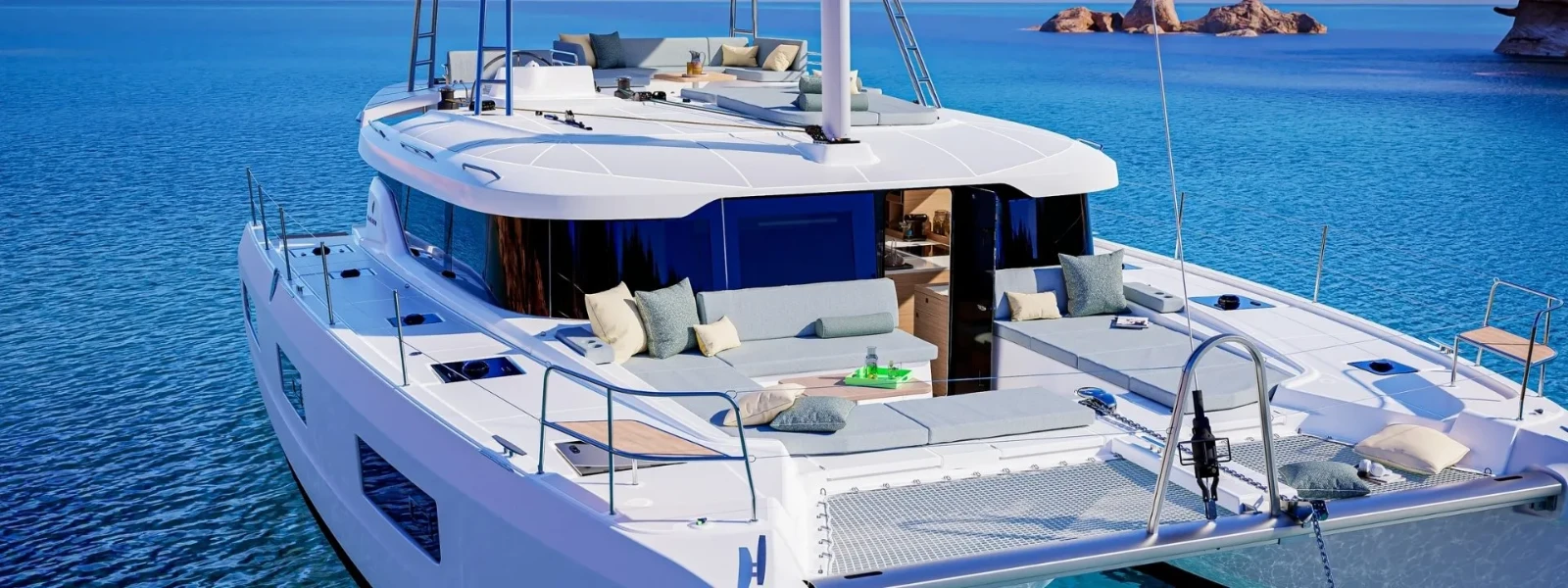
Modern catamarans now outnumber monohulls in the new-boat charter fleet at every Croatian base. The reason is the country’s tight rotation of stern-to mooring, restaurant pontoons, and short-hop daily distances — the cat’s space dominates the trade-off for family and group charters. For sailing-first crews of four, monohulls remain the better value. We compare both formats in the catamaran vs monohull guide. For boat-handling format choices, see the bareboat vs skippered guide.
Realistic 2026 costs
For a 7-day Saturday-Saturday charter in mid-June 2026:
— 45-foot bareboat monohull from Split: €5,500–7,500 boat + €1,400–1,800 expenses (fuel, marinas, ACI buoys, port taxes, provisioning). Per-person on a crew of 6: €1,150–1,550.
— 45-foot bareboat catamaran from Split: €13,000–18,000 boat + €1,800–2,500 expenses. Per-person on a crew of 8: €1,850–2,450.
— 50-foot wide-beam monohull from Trogir or Dubrovnik: €8,500–11,500 boat + €1,800–2,200 expenses. Per-person on a crew of 8: €1,300–1,700.
— Add a hostess at €1,300–1,500 a week (best upgrade in charter sailing). Add a skipper at €1,750–2,000 a week if no one onboard is licensed.
Charter security deposits run €2,500–5,000 for monohulls and €5,000–8,000 for catamarans, held on a card and released after damage-free return.
Paperwork: licences, insurance, the ACI buoy system
Croatia accepts the ICC, RYA Day Skipper, US Sailing Bareboat, and several national equivalents for the registered skipper. A separate VHF certificate is also required — most operators check both at handover. Insurance is included in the charter price; security deposits cover damage above the policy excess.
The ACI marina system spans 22 marinas along the Croatian coast. Pre-booking is mandatory in season for ACI Hvar, ACI Palmižana, ACI Korčula, ACI Split, ACI Skradin (the gateway to Krka National Park). The ACI app lets you book online up to 30 days ahead.
Greek-Croatian, Croatian-Italian, and Croatian-Montenegrin border crossings are technically possible — see the Montenegro sailing guide for the southern crossing. Most operators require a half-day clearance buffer at the border posts.
Provisioning, fuel, and operating culture
Provisioning at major bases is excellent — Tommy, Konzum, Studenac, Plodine, Lidl are all within 5–10 minutes of every charter marina. Provision the substantial week’s groceries on Saturday before pickup. Mid-week top-ups happen at island Konzums and Studenacs. Local konobe accept cards almost universally; cash is appreciated for tipping. Diesel runs €1.50–1.75 per litre in 2026, available at every charter base and most secondary harbours.
Croatian charter culture is more relaxed than Italian or French equivalents and slightly more formal than Greek. Expect a 45–60 minute handover briefing, a paper chart of the cruising area, an emergency-contact card, and a friendly send-off. Tipping the handover team is not customary; tipping a skipper or hostess at week-end is (10–15%, in cash).
The honest mistakes most first-time Croatia charterers make
The first is booking peak August. Croatia in August has more charter boats per square kilometre than any other Mediterranean coast — Hvar town, the Pakleni, Korčula, Mljet all become floating parking lots. Move to late June or September. The second is treating Croatia like Greece. Croatian distances are shorter, marinas are more abundant, and the rhythm is different — plan more stops, not longer legs. The third is under-booking marinas. ACI Hvar, ACI Korčula, ACI Skradin in season need to be booked at the time you book the charter. Day-of arrivals get turned away.
Where to go next
For specific routes: the Split week is the most popular Croatian charter; the Dubrovnik week is the southern alternative; the Trogir week is the central-Croatia flexible-base option; the Pula week is the Istrian alternative. For specific areas, the Hvar deep-dive, Kornati deep-dive, and Mljet and Lastovo deep-dive cover the marquee cruising areas in detail. For the boat-type and format choice, see the cat vs monohull and bareboat vs skippered comparisons.
Frequently asked questions
Is Croatia a good first-time charter destination?
Yes — together with the Greek Saronic and the Greek Ionian, Croatia is the easiest Mediterranean charter ground. Distances are short, anchorages are sheltered, and the infrastructure is excellent. Stay in Central or North Dalmatia for the easiest week.
How does Croatia compare with Greece on cost in 2026?
Croatia carries roughly a 10-15% premium over Greece on like-for-like boats, primarily reflecting demand from northern European charterers. Greek and Croatian bareboats are the closest direct competitors at this size of boat. See the Greece sailing guide for the comparison.
Should I pick Split, Trogir, or Šibenik as the base?
Split for the largest fleet and most direct flights. Trogir for the easiest airport-to-marina transfer (15 minutes). Šibenik (Marina Mandalina) for closest access to Kornati. All three put you in the same Central Dalmatian cruising ground.
Are catamarans really the dominant Croatian charter boat now?
Yes — at most Croatian bases the new-boat fleet is 60-70% catamaran. Monohulls remain available, often at significant discounts to the cat rate, and remain the better value for sailing-first crews of 4. The cat vs monohull guide goes deeper.
Can I extend a Croatian charter into Montenegro?
Yes — Dubrovnik to Tivat is 35 NM. Most operators allow it on multi-week charters. Cross-border formalities take an hour each way. See the Montenegro sailing guide.
Croatia’s regional pricing — what you actually pay where
Charter prices vary across Croatia by base. Split is the most expensive (highest demand, largest fleet). Trogir runs a slight discount due to less brand recognition. Šibenik and Biograd run 5-10% under Split. Dubrovnik runs at Split-equivalent due to airport-driven demand. Pula and Istria run 10-15% under Split. The pattern: pick the base for cruising-ground fit, not for price — the regional pricing variance is small relative to the fleet and cruising-ground differences.
Crewed yacht alternatives in Croatia
Croatia has a smaller crewed-yacht fleet than Türkiye or Italy but it’s growing. Crewed sailing yachts (skipper + hostess on a 50-foot cat) run €18,000-26,000 per week in 2026 from Split or Trogir. Smaller crewed catamarans (skipper + hostess on a 45-foot cat) sit at €15,000-20,000. Croatian gulet equivalents — wooden motor sailers with full crew — are emerging at €20,000-30,000 per week, though the fleet is small. Most repeat charterers in Croatia bareboat or hire just a skipper rather than book full crew.
Descubra os barcos
Barcos para alugar nos destinos de que fala este artigo.
Navegue você mesmo — itinerários sugeridos
Ver todos os itinerários de Split →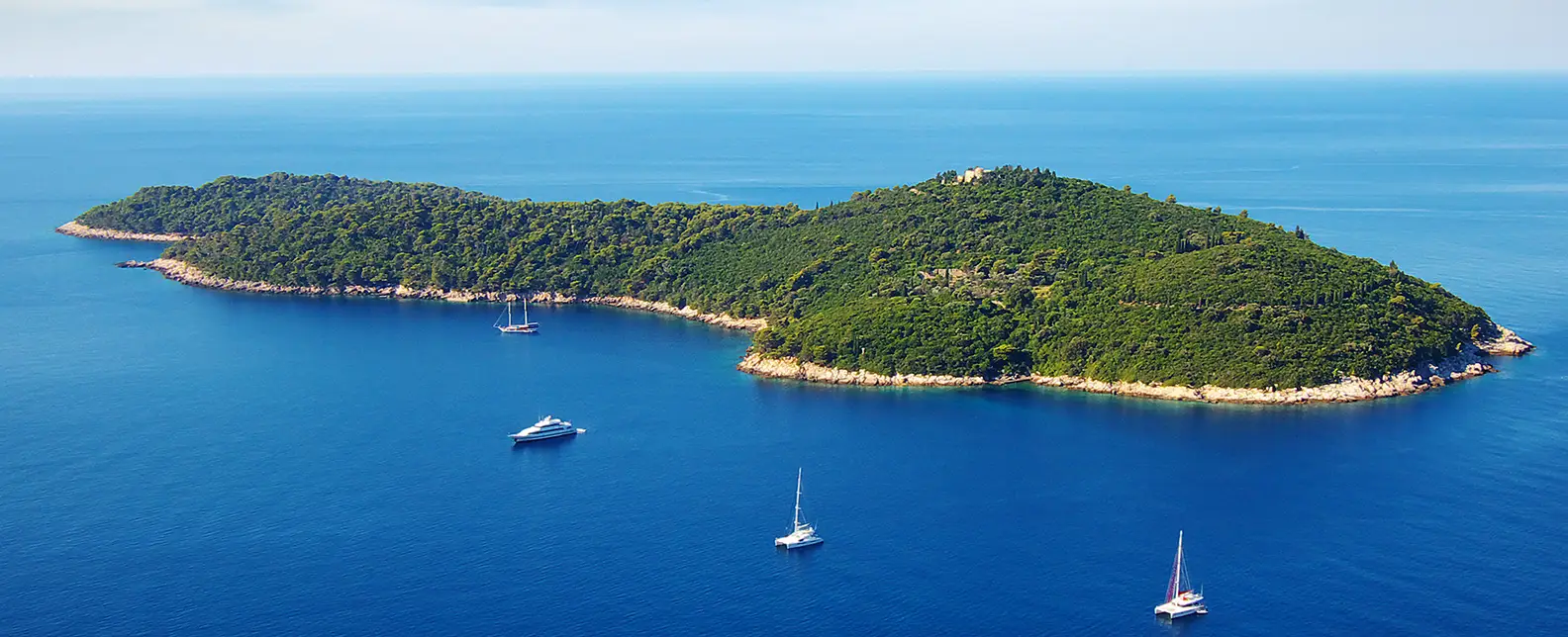
Ideias para suas próximas férias de navegação
Aluguel de barcos e charter de iates em todo o mundo com os melhores preços