7-Day Sicily Itinerary from Palermo: Aeolian Islands, Cefalù & the North Coast
Updated May 2026.
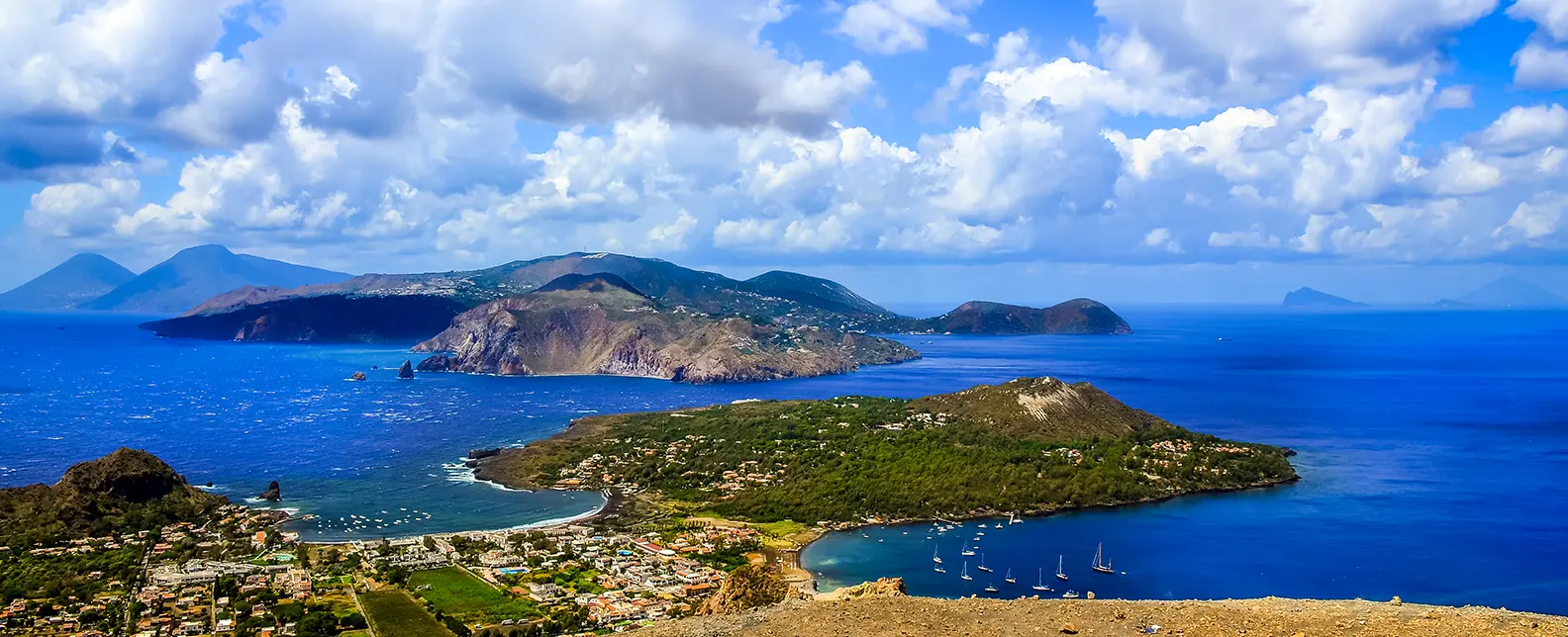
Sicily’s north coast is the harder, wilder cousin of the Amalfi week. From Palermo you reach the Aeolian Islands in a 30-NM crossing — a chain of seven volcanic islands including Stromboli, the most active volcano in Europe, erupting on a roughly half-hour cycle. The cruising ground is dramatic, less polished, and significantly less regulated than the Amalfi Coast. This itinerary covers the standard Aeolian week from Palermo, with notes on Cefalù as the warm-up stop and Filicudi as the quieter alternative.
Day 1 — Palermo to Cefalù (35 NM)
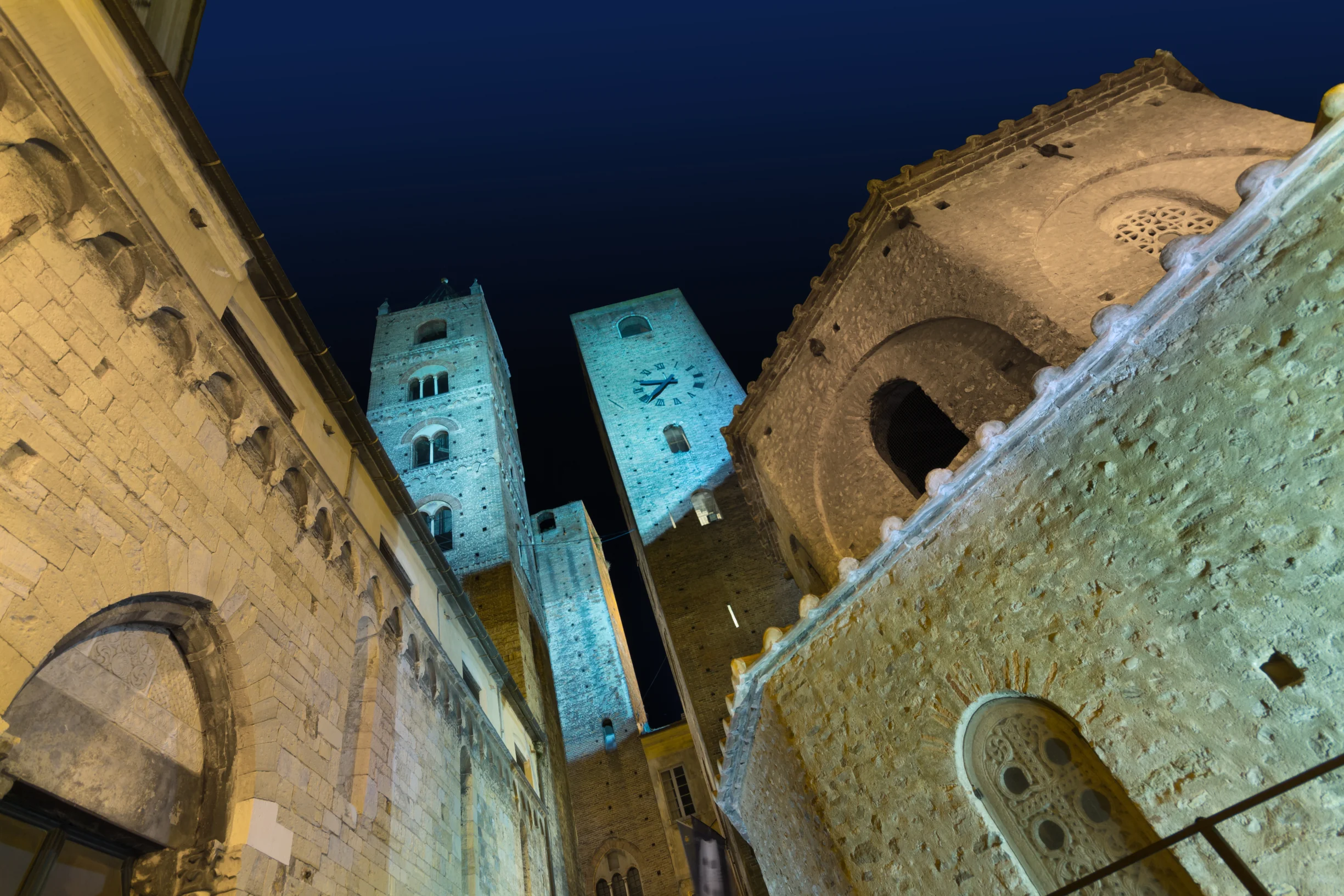
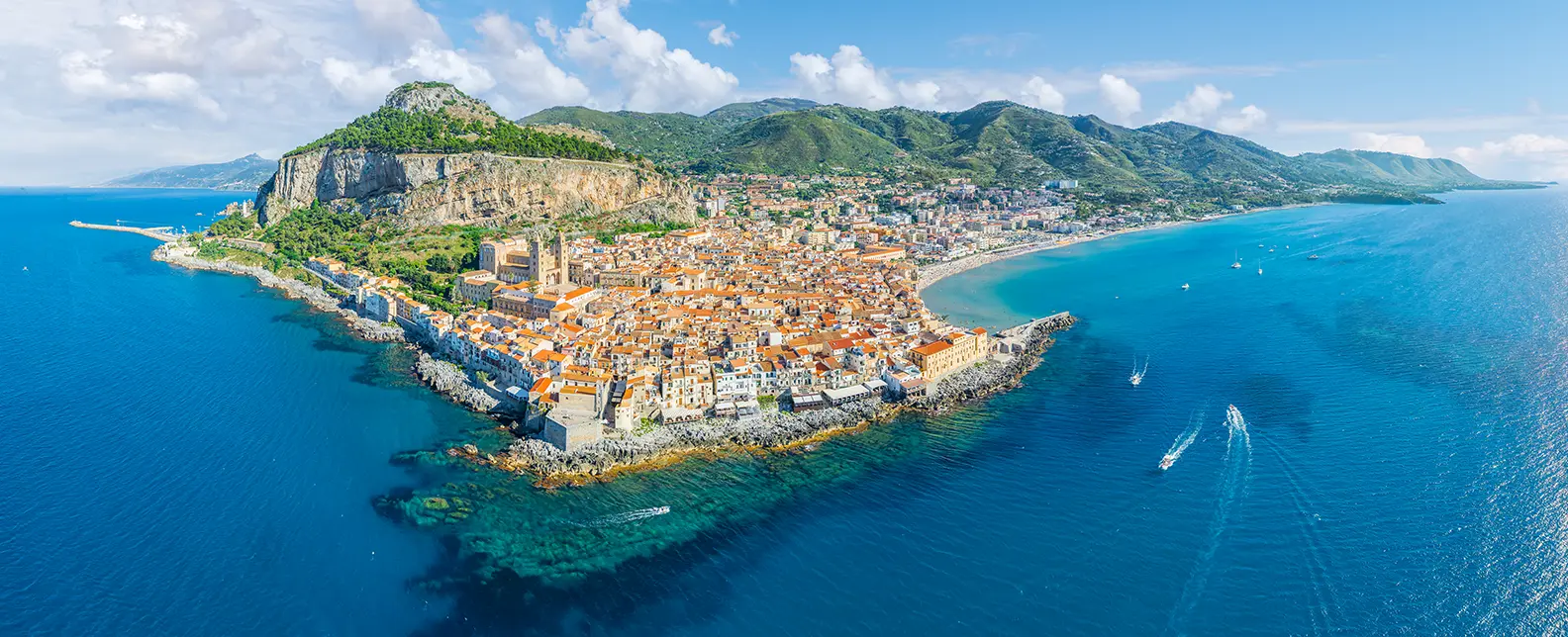
Pickup at Marina Villa Igiea or Cala (Palermo’s old harbour). Provision at Conad or Eurospin near the marina. Day 1 is a long eastbound leg along Sicily’s north coast to Cefalù — a Norman cathedral town with a small harbour, sandy beach, and the most photogenic single setting on the route. Marina di Cefalù is the standard berth; the town quay handles smaller boats. Arrive by 17:00 to walk the medieval streets and the cathedral before dinner.
Day 2 — Cefalù to Vulcano (40 NM)
The Aeolian crossing. Vulcano is the southernmost Aeolian island and the standard first stop — anchor in the bay at Porto di Levante (the eastern bay, with the volcanic mud baths) or Porto di Ponente (the western bay, sandy and quieter). Both are stern-to to the village pontoon or anchored offshore. The Gran Cratere walk to the active volcanic crater is a 90-minute uphill that’s worth the morning effort; sulphur smell at the top is notable.
Day 3 — Vulcano to Lipari (3 NM)
The shortest leg of the week — across the narrow strait to Lipari, the largest and most-populated Aeolian island. Marina Lunga handles charter boats; the inner town quay is less reliable. Lipari town is the cultural centre of the archipelago — small archaeological museum (Bronze Age and Greek finds), narrow streets, decent restaurants. The walks above the town give views back over Vulcano. Provision here for the rest of the week — the smaller islands have very limited shopping.
Day 4 — Lipari to Salina (8 NM)
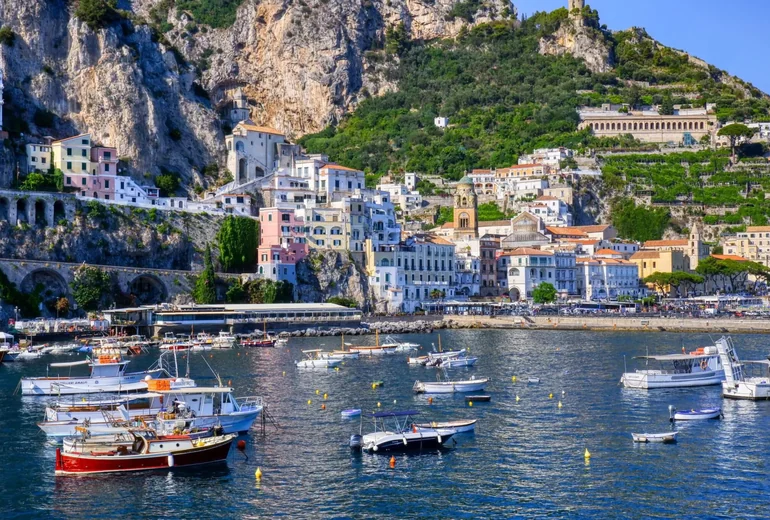
North to Salina — the greenest of the Aeolians and the producer of malvasia wine. Two main villages: Santa Marina on the east coast (small harbour, mooring buoys), and Lingua on the southeast (anchoring with tender into the village). Salina is Stromboli’s quiet neighbour — hilly, full of citrus groves, with the best food on the archipelago. Restaurant Da Alfredo on Lingua’s seafront is famous for granita.
Day 5 — Salina to Stromboli (15 NM)
Northeast to Stromboli — the active volcano island. Anchor at Punta Lena (the southwestern bay, sandy and well-sheltered) or Ginostra (a tiny village on the southwest, accessible only by sea). Stromboli’s eruptions are roughly every 30 minutes, visible from the boat at night as glowing flares from the island’s western flank. The “Sciara del Fuoco” — the volcanic slope — pushes lava and rocks into the sea on the west side. The Stromboli walk to the active crater requires a guide and is the highlight for adventurous crews; the boat-side eruption viewing is the easier alternative.
Day 6 — Stromboli to Filicudi or Panarea (20 NM)
The choice on Day 6. Filicudi is the quieter option — a small island, two villages, deep crystal-clear water, anchorage at Pecorini Mare. Panarea is the social option — the smallest Aeolian, but the most expensive and most photographed, with a yacht-set scene at San Pietro and the Hotel Raya. Most weeks pick Filicudi for the quieter night before the long return.
Day 7 — Filicudi/Panarea to Palermo (60 NM)
The long return — 60 NM is a serious leg, typically 9 hours under sail or 7 under engine. Plan an 06:00 departure, lunch underway, arrival at Marina Villa Igiea by 16:00 for handover. If wind builds aggressively, an unplanned overnight at Cefalù on Day 7 evening with a Day-8 morning return is the bailout. Most operators allow this with an extra-night surcharge.
Total distances and difficulty
Approximately 175 NM across the week, with two long legs (Day 2 Aeolian crossing at 40 NM, Day 7 return at 60 NM). The Aeolian crossings are open-water sailing and the wind in the Tyrrhenian Sea is more variable than the eastern Mediterranean. Recommended for crews comfortable with two real-commitment days. First-time Italian charterers usually pick the Amalfi Coast itinerary instead — same Italian feel, shorter distances, less weather exposure.
One-way Palermo → Milazzo alternative
The smart Sicilian charter is one-way Palermo → Milazzo (or vice versa), eliminating the Day 7 long return. Milazzo is on the eastern side of Sicily’s north coast and 25 NM from Lipari — close enough to make a 6-day Aeolian week feel relaxed. Operator upcharges for one-ways are 25–40%. Worth every euro on this route.
What makes Sicily different from the rest of Italian sailing
Three things distinguish a Sicilian week from an Amalfi or Sardinia week. Active volcanism: Stromboli erupts every 30 minutes, Vulcano has steam-vents and mud baths, and the cruising ground feels geologically alive in a way no other Mediterranean coast does. Less regulation: anchoring is freer than the Amalfi Coast, mooring buoys are fewer, and the Aeolian Marine Reserve is enforced lightly compared to Amalfi or La Maddalena. Less infrastructure: smaller marinas, fewer fuel docks, more island-only village shops. The trade-off is freedom for a more committed and self-sufficient charter.
Provisioning, fuel and Sicilian-specific logistics
Provisioning at Palermo is good — Conad, Eurospin, Lidl within 15 minutes of Marina Villa Igiea. Cefalù has a Conad. Lipari has the best provisioning of the islands; smaller Aeolians have only village shops. Provision substantially before leaving Sicily — running out of fresh produce in Stromboli or Filicudi means relying on small-village stores at twice mainland prices. Fuel at Palermo, Cefalù, Lipari, occasionally Salina; not on Stromboli, Vulcano, Filicudi, Panarea. Plan refuelling around Lipari mid-week. Marina overnights are €60–150 across the route.
Booking lead times and Sicilian patterns
Sicilian charter rates run roughly 10–15% under Sardinian equivalents and roughly equal to mainland Italian charter prices. Peak weeks book 4–6 months ahead at Palermo bases. Italian operators tend to handover-and-go within 60 minutes — faster than Greek or Croatian charter handovers. The fleet skews monohull rather than catamaran (Aeolian moorings handle monohulls better than wide-beam cats), and skipper rates are slightly higher than the Italian average due to the Aeolian crossing complexity.
Frequently asked questions
Is the Aeolian crossing dangerous?
Not in normal summer weather. The Tyrrhenian Sea between Sicily and the Aeolians can build to 25 knots in fronts but is rarely worse than that in June-September. Plan crossings for stable forecasts and depart early.
Can I do this route on a catamaran?
Yes, but Aeolian moorings (Vulcano, Lipari, Salina) charge significant catamaran upcharges. Most repeat charterers pick monohulls for the Aeolian week.
How does Sicily compare with Sardinia for a charter week?
Sardinia is more polished and more expensive (Costa Smeralda premium). Sicily is wilder, cheaper, with Stromboli as the singular feature. The Costa Smeralda guide covers the comparison.
Is Stromboli a serious volcano risk for charter boats?
No. The 30-minute eruption cycle is well-documented and predictable. Boat-side viewing from 1 NM offshore is the standard charter experience and considered safe under normal conditions. Major eruptions (rare) prompt coast-guard alerts and route diversions.
What’s the realistic 2026 budget?
For a 7-day mid-June 2026 charter on a 45-foot monohull from Palermo with crew of 6: €5,800 boat + €1,800 expenses (fuel, marinas, dinners, provisioning) = ~€7,600 total, ~€1,270 per person. Add 25-40% for one-way Palermo-Milazzo.
The Stromboli walk — what it actually involves
The guided walk to Stromboli’s active crater is the marquee Aeolian experience for adventurous crews. Walks run from Stromboli village, last 5-6 hours round-trip, depart in the late afternoon to reach the summit at sunset, return after dark. Mandatory professional guide (no self-guided access permitted), helmet required, sturdy hiking boots essential. Price runs €30-50 per person in 2026. Booking via local agencies (Magmatrek, Stromboli Adventure) 24-48 hours ahead is required. Not recommended for under-12s or for crew members with mobility limitations.
Sicilian charter culture — different from mainland Italy
Sicilian charter operators run with less formality than the Amalfi or Sardinian fleet. Handover is faster (often 45 minutes), the briefing covers fewer regulations (the Aeolians have lighter mooring rules than Amalfi), and the operator-charterer relationship is more relationship-based than transactional. The trade-off: smaller fleets, less English language support, and occasional last-minute boat-substitution if the originally-booked boat isn’t ready. Repeat Sicilian charterers report a noticeably more relaxed week than mainland Italian equivalents.
Why Sicily is structurally cheaper than mainland Italy
Charter rates on Sicilian boats run 10-15% under mainland Italian equivalents. The reasons: smaller demand pool (Sicily attracts fewer northern-European charterers than Sardinia or Liguria), older fleet on average (5-8 years vs mainland 3-6 years), and lower marina-overhead costs. Provisioning costs are also 15-25% under mainland Italy. The price advantage compounds across a week — a 7-day Sicilian charter total cost runs roughly 20% under a comparable Sardinian charter. The trade-off is fewer-but-more-distinctive cruising experiences and the Aeolian crossing’s weather exposure.
The Aeolian Marine Reserve rules in practice
The Aeolian Marine Reserve covers the seven islands and surrounding waters but enforces lighter mooring rules than Amalfi or La Maddalena. Anchoring is permitted in most non-rocky bays. Mooring buoys exist at Vulcano, Lipari, Salina, Stromboli but are not mandatory. The buoy-mooring rates are €25-45 per night — significantly under mainland Italy. Free anchoring on sand bottom is the default option in most Aeolian bays. The lighter regulation reflects the islands’ lower overall charter volume and less environmental pressure than busier Italian cruising grounds.
Explore boats
Boats you can charter in the places this article covers.
Sail it yourself — suggested itineraries
View all Sicily itineraries →
Ideas for your next sailing vacation
Boat rental & yacht charter around the world at the best prices