Mediterranean Charter Season 2026: What to Expect — Regattas, Trends & Pricing
Updated May 2026.
The 2026 Mediterranean charter season runs roughly mid-April through late October, with the busiest weeks concentrated in July and August. Beyond the weather and the standard charter weeks, the season has its own calendar of marquee regattas, predictable industry shifts, and pricing patterns. This piece covers what to expect — the regatta calendar, the fleet trends, the pricing direction, and which destinations are seeing the most demand growth.
The 2026 regatta calendar — recurring marquee events
The Mediterranean charter season has a regular calendar of regattas that affect marina availability and create their own charter atmosphere. The most-relevant for charterers (because they affect bookings, marina pricing, and atmosphere):
Mrduja Regatta — Croatia’s longest-running offshore regatta, typically held in early autumn from Split. The race itself is competitor-focused but the harbour atmosphere in the days around it draws charterers.
Rolex Giraglia — typically held in mid-June, running from Saint-Tropez to Genoa via the Giraglia rock off northern Corsica. Marina availability around Saint-Tropez and Cannes tightens significantly during the regatta week.
Aegean Regatta — typically held in late August, racing through Greek Cycladic islands. Marina pressure on Mykonos, Paros, and the southern Cyclades around the regatta week.
Régates Royales Cannes — typically held in late September, classic-yacht regatta in Cannes. Marina pricing in Cannes spikes for the week.
Cannes Yachting Festival — typically held in early September. Industry trade show; Cannes marinas and surrounding areas saturated with sales-and-display yachts.
Monaco Yacht Show — typically held in late September. Premium-yacht industry show; Monaco marina pricing reaches extreme peaks.
Rolex Middle Sea Race — typically held in late October, starting and finishing in Malta. End-of-season offshore racing; marginal effect on charter market but Maltese-base charterers see increased traffic.
For exact 2026 dates, check the official organising body’s website — these events shift by a week or two year-on-year.
Industry trends shaping 2026
Hybrid catamarans. Boat builders (Lagoon, Bali, Fountaine Pajot, Catana) are introducing more diesel-electric and pure-electric models in 2026. Charter operators in Croatia, Greece, and France are adding hybrid cats to their fleets. The advantage: silent operation at anchor and in protected harbours, lower fuel costs, marketing premium with environmentally-conscious charterers. The trade-off: 15–25% higher charter rate, smaller fuel-tank range. Hybrid cats are still under 5% of fleet inventory but growing fast.
Electric tenders. The most-visible 2026 fleet upgrade. Replacing the traditional 2-stroke outboard tender with electric (Torqeedo, ePropulsion) is increasingly standard on premium charter cats. Range is sufficient for typical anchorage-to-shore tendering (3-5 NM round trip); recharge happens overnight from the boat’s battery bank or solar. Charter operators report electric tenders reduce fuel consumption by 15-20% per charter week.
Solar and battery upgrades. Most new charter boats now ship with substantial solar arrays (400-1,200W) and lithium battery banks. The result: charter boats can run fridges, navigation, and lighting for 24-48 hours at anchor without engine charging. Repeat charterers report this as one of the most-noticeable fleet improvements year-over-year.
Sustainability features. Charter operators are increasingly highlighting sustainability features in marketing — biodegradable cleaning products, reusable kit, posidonia-aware mooring practices, partnerships with marine reserves. Effect on bookings is real but modest; charter customers are more cost-sensitive than green-marketing-sensitive in 2026.
Pricing direction — what’s getting more expensive, what’s flat
Charter rates in 2026 follow a mixed pattern. Headline data:
— Catamaran rates: up 5–8% year-on-year. Demand outpacing supply; new-build deliveries don’t fully fill the gap.
— Standard monohull rates: up 2–3% year-on-year, slightly under inflation. The monohull fleet has slack capacity.
— Premium markets (French Riviera, Costa Smeralda, Capri area): up 6–10% year-on-year. Demand from northern European and US charterers strong.
— Cost-effective markets (Türkiye, Greek Ionian, Croatian Istria): up 3–5% year-on-year. Slight movement toward narrowing the price gap with marquee markets.
— Marina overnight rates: up 8–12% year-on-year in premium markets. ACI Hvar, Saint-Tropez Vieux Port, Capri Marina Grande all raised rates.
— Diesel: roughly flat year-on-year, some 3–5% increases in countries with energy-policy shifts.
— Provisioning: up 4–7% year-on-year, reflecting general European food inflation.
Hot destinations in 2026
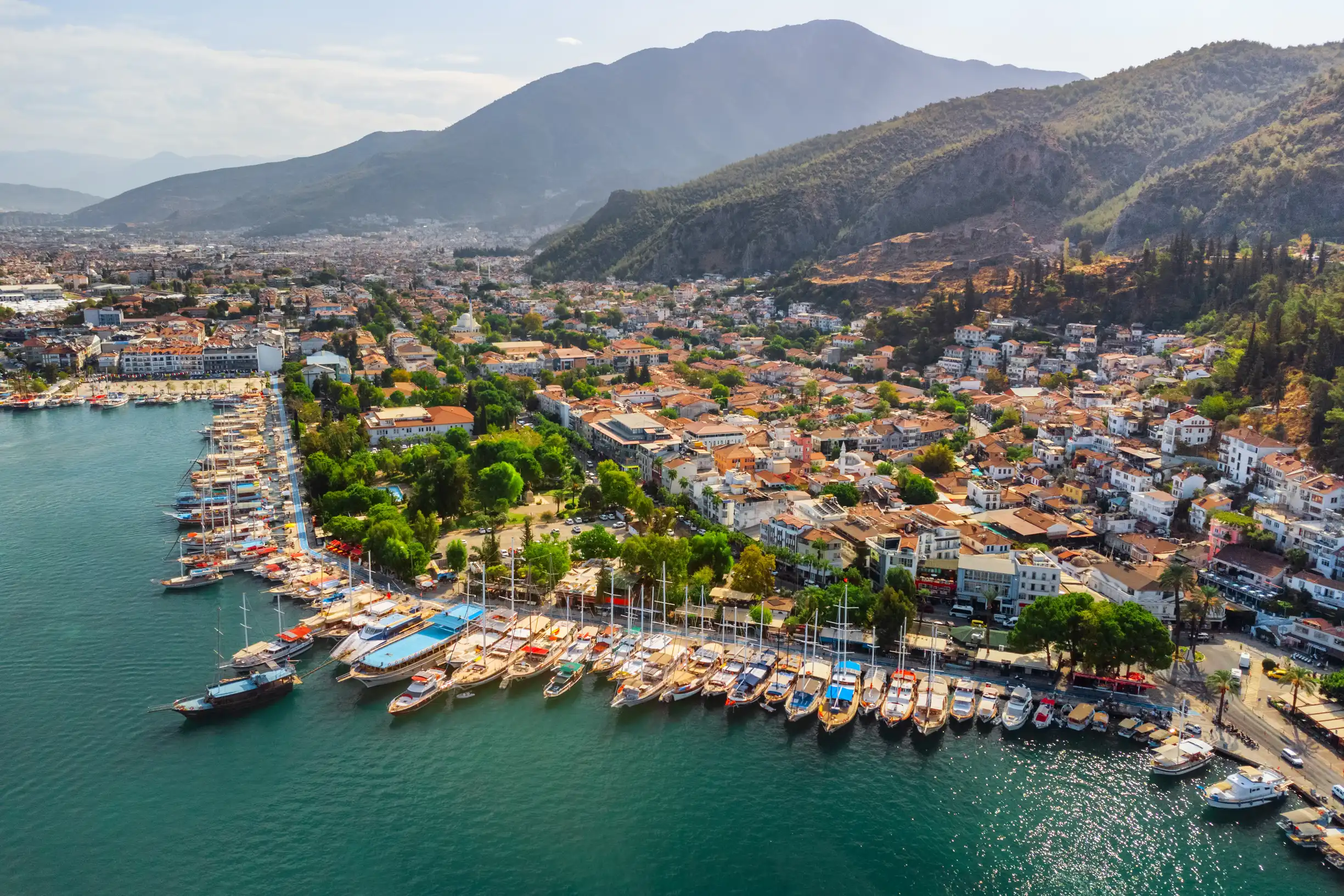
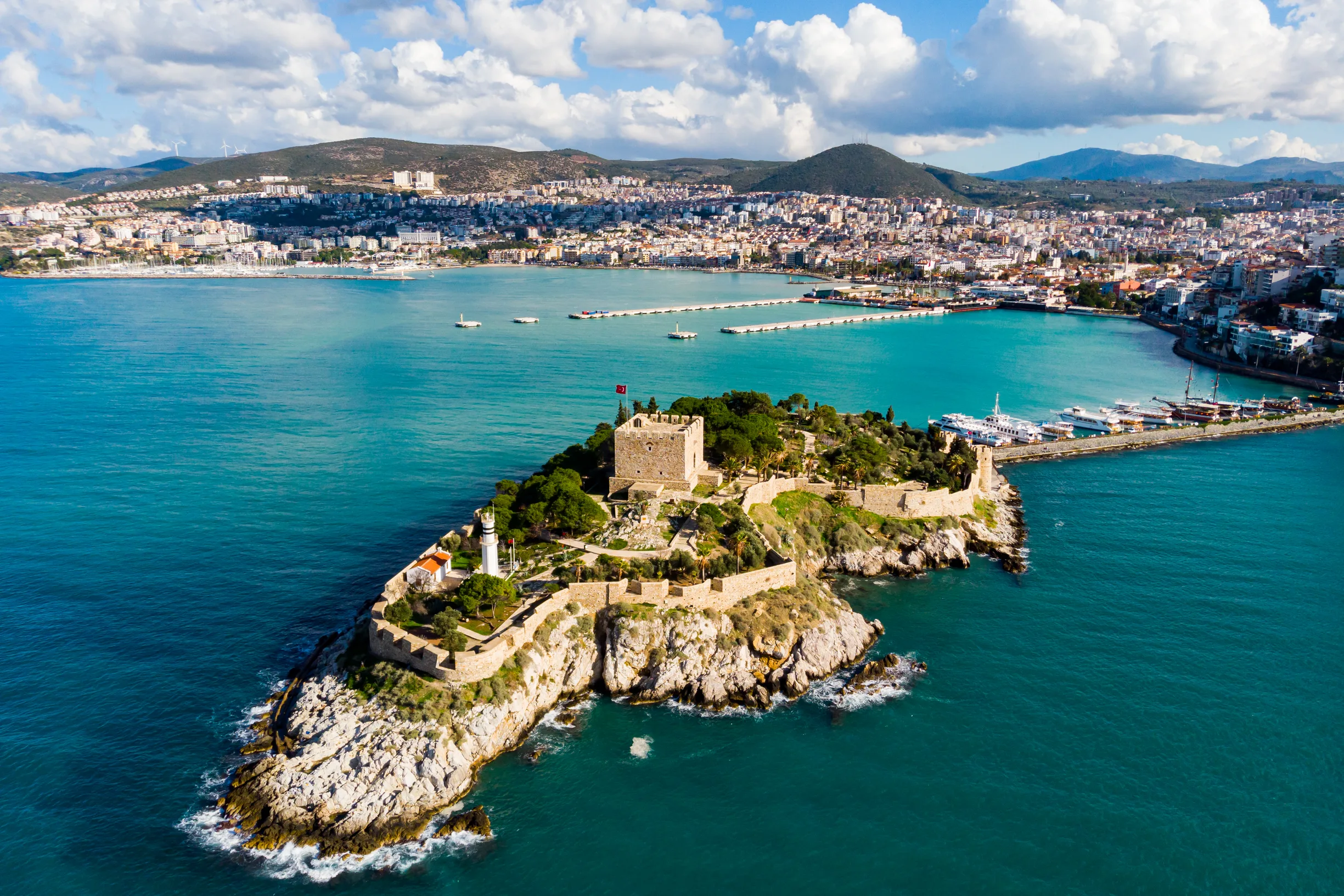
Türkiye continues to grow as the value-charter destination. Government investment in marina infrastructure (Yalıkavak, Göcek expansions) has improved the booking experience. Charter rates remain 25–40% under Greek and Croatian equivalents. Crews from northern Europe increasingly choose Türkiye for second or third charter weeks.
Greek Ionian sees continued family-charter growth. Lefkas Marina expanded berthing capacity for 2026; charter operators added more 50-foot wide-beam monohulls to the fleet. The Ionian remains the second-most-booked Greek cruising ground after the Saronic.
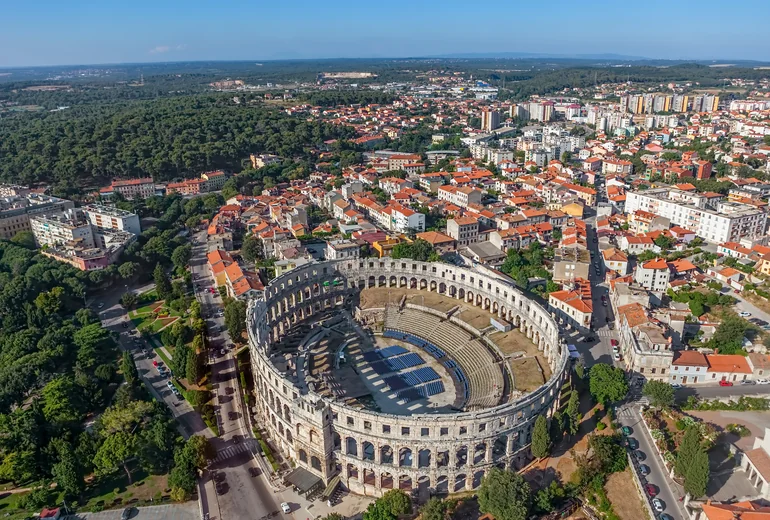
Croatian Istria grows from a low base. The Pula and Mali Lošinj fleets are expanding. Crews from Italy and Slovenia drive most of the local growth; northern European charterers are still concentrated in Central Dalmatia.
Sicily and the Aeolian Islands continue under-performing relative to Sardinia. Distance from northern European airports (Palermo’s flight connectivity is weaker than Olbia’s) drives the gap. For charterers willing to fly via Catania or Palermo, 2026 rates remain attractive.
Montenegro attracts growing interest as a Croatian charter add-on rather than a standalone destination. Most Tivat-based charter weeks combine Montenegrin Boka Bay with Croatian Dubrovnik area.
What’s getting harder to book
Three categories tighten significantly for 2026 peak weeks:
Premium catamarans (50+ feet, 2024+ build) at Croatian and Greek bases. The newest cats book 8–12 months ahead. Operators report unable to fulfill peak-week requests by April for premium models.
Hostess-included charter formats. Hostess availability lags fleet growth; demand is rising faster than the available hostess pool can keep up. Booking the boat 6 months out often means booking the hostess separately at that point or accepting the operator’s available pool.
Cabrera National Park buoys at peak summer. The 30-day-ahead booking window means peak weeks fill within minutes of release. Crews planning Cabrera should set calendar reminders.
What’s NOT getting harder
Last-minute availability in shoulder seasons (May, June, mid-September, October) remains plentiful. Standard 45-foot monohulls in Croatia and Greece are bookable 4–6 weeks ahead even in peak summer. Türkiye continues to have the most flexible booking window of the major markets.
Smaller boats (38–42 feet) for couples and 4-person crews are widely available; the squeeze is concentrated on larger cats and 50+ foot monohulls.
Booking strategy for 2026
Translating the season patterns into action:
— Peak-week premium catamaran: book by November 2025 for July-August 2026.
— Peak-week standard monohull: book by February 2026 for July-August 2026.
— Shoulder-week any boat: book 3–5 months ahead.
— Last-minute (1–6 weeks ahead): discounts of 10–25% on unsold inventory; choice narrows.
— Hostess-or-skipper add-on: book at the same time as the boat, not later.
What to watch through the 2026 season
Three things worth watching as the season progresses:
Fuel price stability. European energy markets remain volatile; charter operators that lock in seasonal fuel contracts protect customers from mid-season hikes. Operators that don’t can pass through unexpected fuel cost increases.
Marina capacity in marquee harbours. Hvar, Capri, Saint-Tropez are all near or at capacity in peak weeks. Repeat charterers report that arrival timing matters more in 2026 than in previous seasons; arriving by 14:00 vs 16:00 in peak harbours makes a real difference.
Mooring buoy reservation systems. La Maddalena and Cabrera both modified their booking platforms in late 2025; expect minor friction in early 2026 as systems stabilise. Set multiple calendar reminders if your week depends on a specific buoy.
Where to start planning a 2026 charter
For seasonal-window planning, the best time to sail the Mediterranean piece covers month-by-month conditions. For specific destinations, the Croatia, Greece, Italy, Türkiye, and Spain Balearics guides cover the country-level decision. For cost benchmarks, see the full cost breakdown.
Frequently asked questions
Are 2026 charter rates significantly higher than 2025?
On average yes, by 4–7% across most regions. Premium catamarans up more (6–10%); standard monohulls roughly flat after inflation. Specific marquee markets (French Riviera, Costa Smeralda) up the most.
Should I book a hybrid catamaran?
If silent operation at anchor and reduced fuel costs matter to you, yes — at a 15–25% premium on the charter rate. For most charterers, the standard diesel cat is still the better economic pick. The technology will improve and prices will normalise over the next 3–5 seasons.
Which 2026 regattas are charter-friendly to attend?
The Rolex Giraglia start in Saint-Tropez (mid-June) is the most charter-accessible. The Régates Royales Cannes (late September) and the Mrduja Regatta in Croatia are visible from charter boats nearby. Most regattas are competitor-focused; charterers attend the start or finish atmosphere, not the racing itself.
Will Türkiye charter prices catch up with Greece in 2026?
Slowly. Türkiye remains 20–25% cheaper than Greece for like-for-like boats. The gap narrowed slightly year-on-year but a full convergence is unlikely in 2026 — the cost-of-business differential between countries persists.
Are charter weather patterns changing?
Mediterranean climate trends suggest hotter mid-summer, slightly later autumn weather windows, and slightly more frequent thunderstorm activity in shoulder seasons. Operationally, charter weeks are still very predictable. Forecast-based planning remains the standard.
Explore boats
Boats you can charter in the places this article covers.
Ideas for your next sailing vacation
Boat rental & yacht charter around the world at the best prices