Italy Sailing Guide 2026: Amalfi, Sardinia, Sicily & the Italian Riviera
Updated May 2026.
Italy is the most stylistically varied charter coast in the Mediterranean. Inside one country you can sail the cliffs of Amalfi, the granite coves of La Maddalena, the volcanoes of the Aeolian Islands, the pebble beaches of the Riviera, or the working harbours of Puglia. The trick is choosing one and committing — try to see Italy in a week and you will spend the week motoring between airports.
The five main Italian charter areas
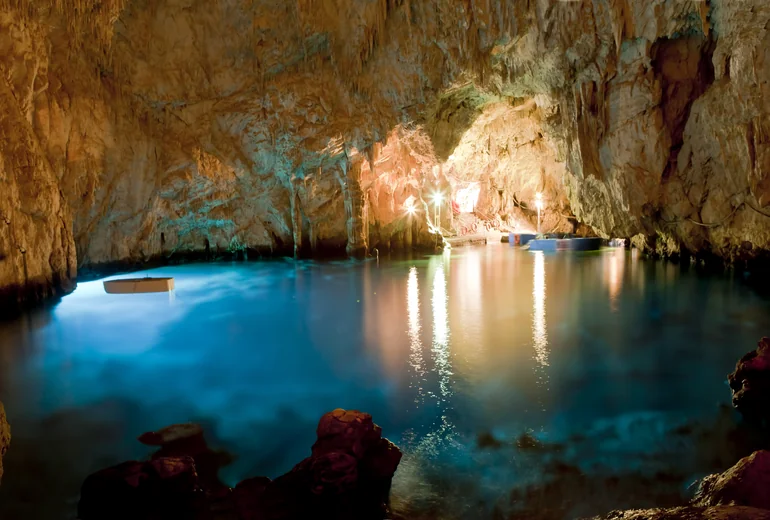
Amalfi Coast and the Bay of Naples. The most famous Italian sailing destination and also the most regulated. Day-tripper boats own the bay between 10:00 and 17:00, mooring buoys are mandatory in many bays, and overnight anchoring is forbidden in the marine reserves. Beautiful, but you will not have it to yourself.
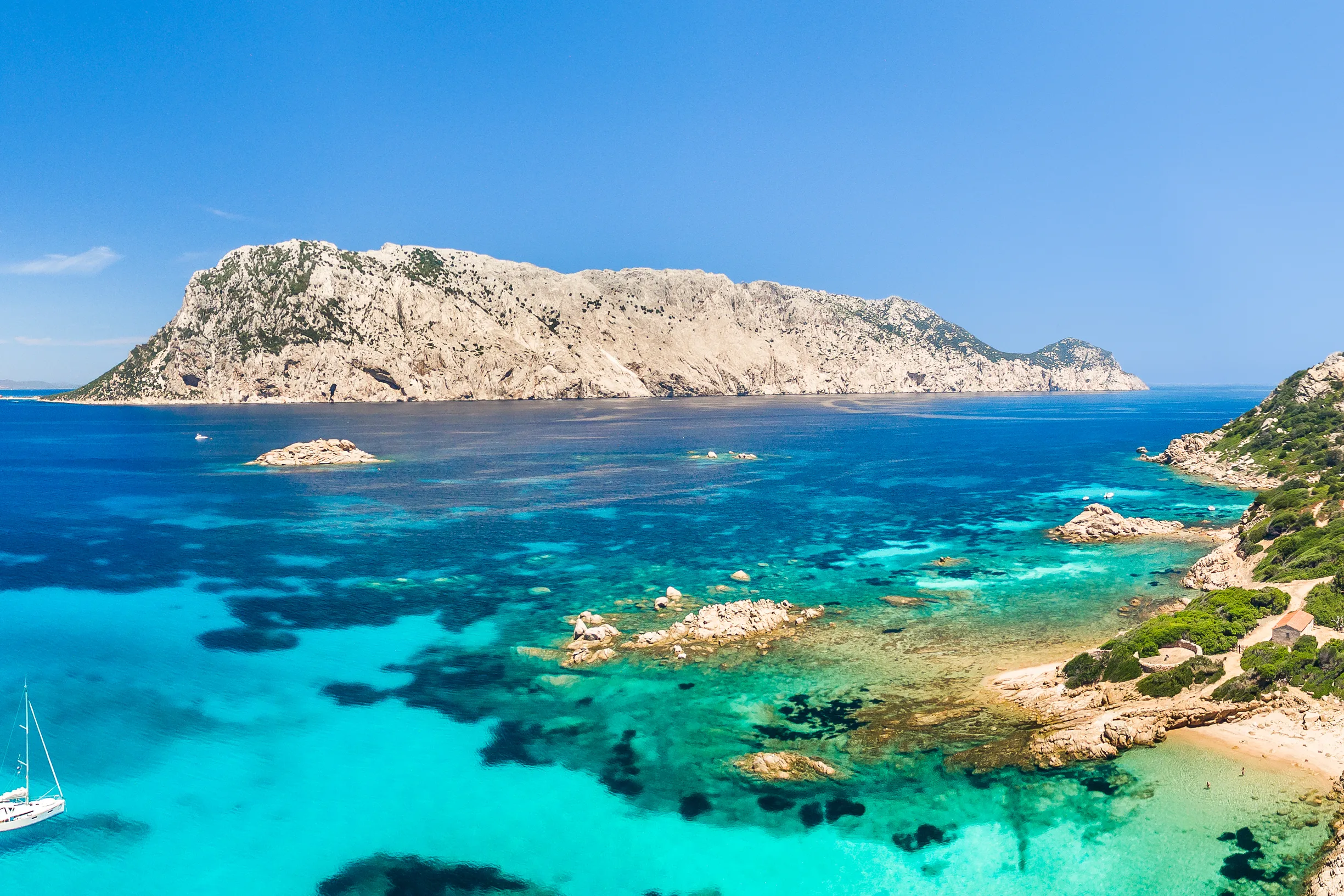
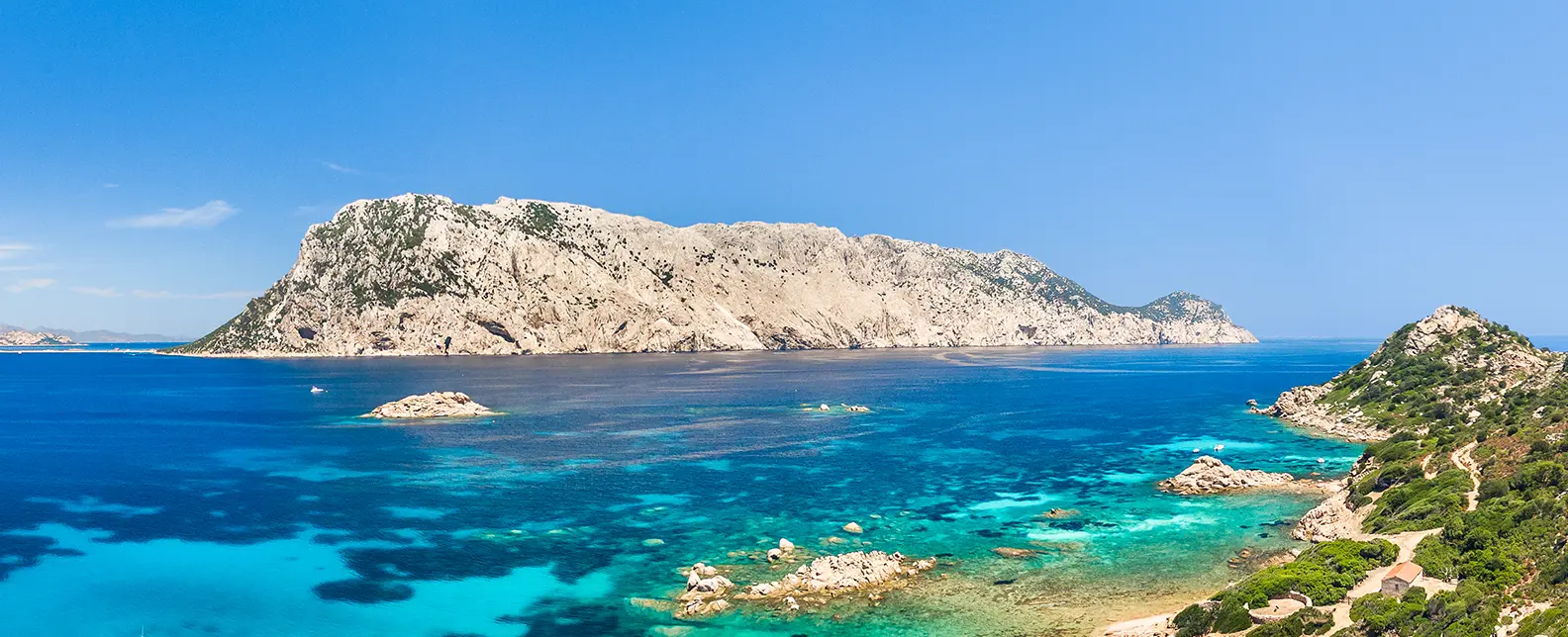
Sardinia, Costa Smeralda and La Maddalena. Crystal water, granite islets, very high prices, very high boat density in August. The Costa Smeralda is the most expensive cruising ground in the western Mediterranean. La Maddalena Archipelago, just to the north, is a national park with a permit-buoy system that you book in advance.
Sicily and the Aeolian Islands. Volcanic, dramatic, quieter than Sardinia. Stromboli erupts on schedule. Distances are real — most Aeolian charters lose a day each way to the crossing.
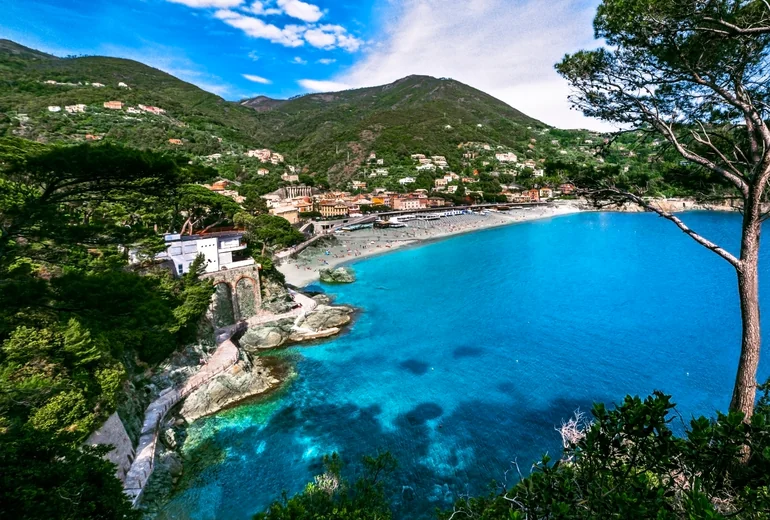
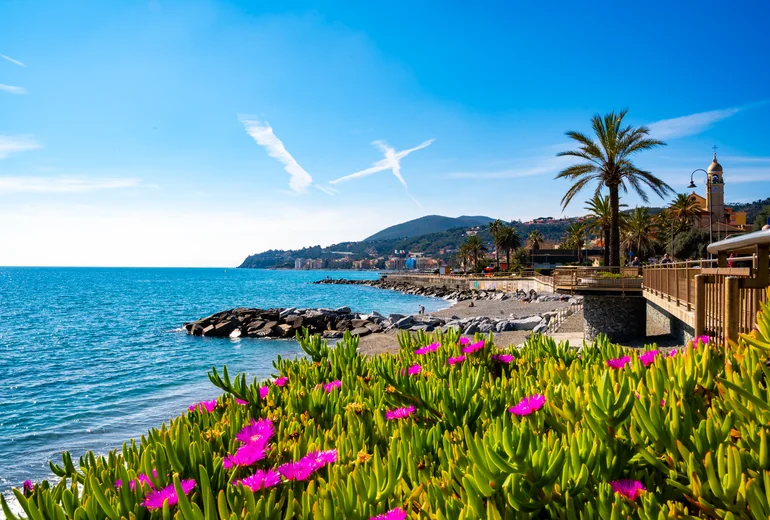
Italian Riviera (Liguria). Genoa, Portofino, Cinque Terre. Short hops between fishing villages, mountain backdrop, tight marinas. A different feel from the south — more like coastal France than the Mediterranean stereotype.
Apulia and the heel of Italy. Brindisi to Otranto, with the Tremiti Islands further north. Quietly emerging as a charter area in the past five years. Affordable, untouristy, and well placed for crossings to Greece.
Best months for an Italian charter
May–June — a clean, cool window. The Amalfi day-tripper boats haven’t started running at full intensity yet. Water is around 20 °C by mid-June.
July–August — peak Italian holiday. Sardinian marinas are full from June 25, Amalfi bays are at capacity, and the heat is real. Book everything 4 months ahead.
September — the locals’ month. Italians return to work, water is at its summer peak (24 °C), and prices drop. The single best month if you can pick.
October — shoulder season. Cold mornings, perfect afternoons. Half the marinas in the Aeolian Islands close for the season after October 15.
Charter bases by region
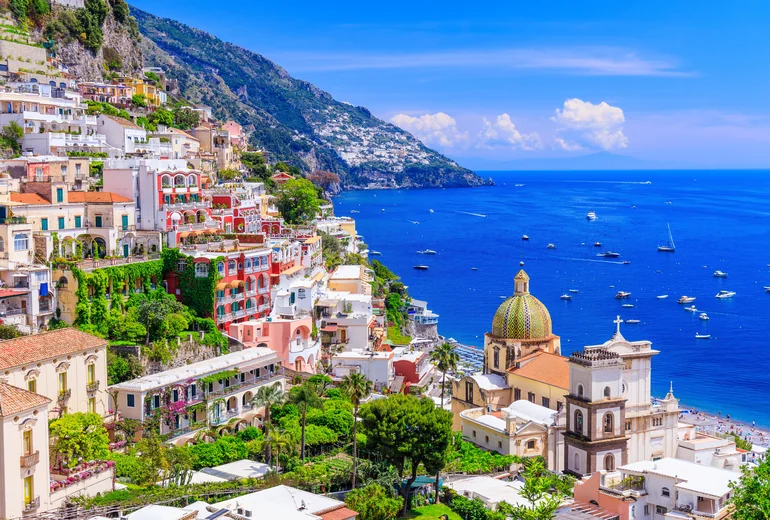
Salerno and Castellammare di Stabia are the working bases for an Amalfi week. Salerno is the more practical of the two: bigger marina, easier to provision, less Naples traffic. From Salerno you reach Capri in 4 hours under sail, Amalfi in 2.
Olbia and Portisco are the Sardinian bases. Olbia airport sits 15 minutes from Marina di Olbia. The Costa Smeralda’s premium marinas (Porto Cervo, Cala di Volpe) are best as day-stops, not bases.
Palermo and Milazzo handle the Sicilian fleet. Milazzo is closer to the Aeolian crossing.
La Spezia and Genoa serve the Riviera. La Spezia is more compact and easier to handle for a charter pickup.
Italian mooring rules — the part that surprises everyone
Italy has the most regulated anchoring rules of any Mediterranean charter coast. The Amalfi Coast, La Maddalena Archipelago, and several Aeolian islands restrict anchoring in marine protected areas — you must use a paid mooring buoy, often booked online before arrival, and the inspection boats actually check. Marina overnight rates in peak season run €120–250 for a 45-footer, and Costa Smeralda marinas can hit €400 a night. Budget for it.
What kind of boat fits Italy
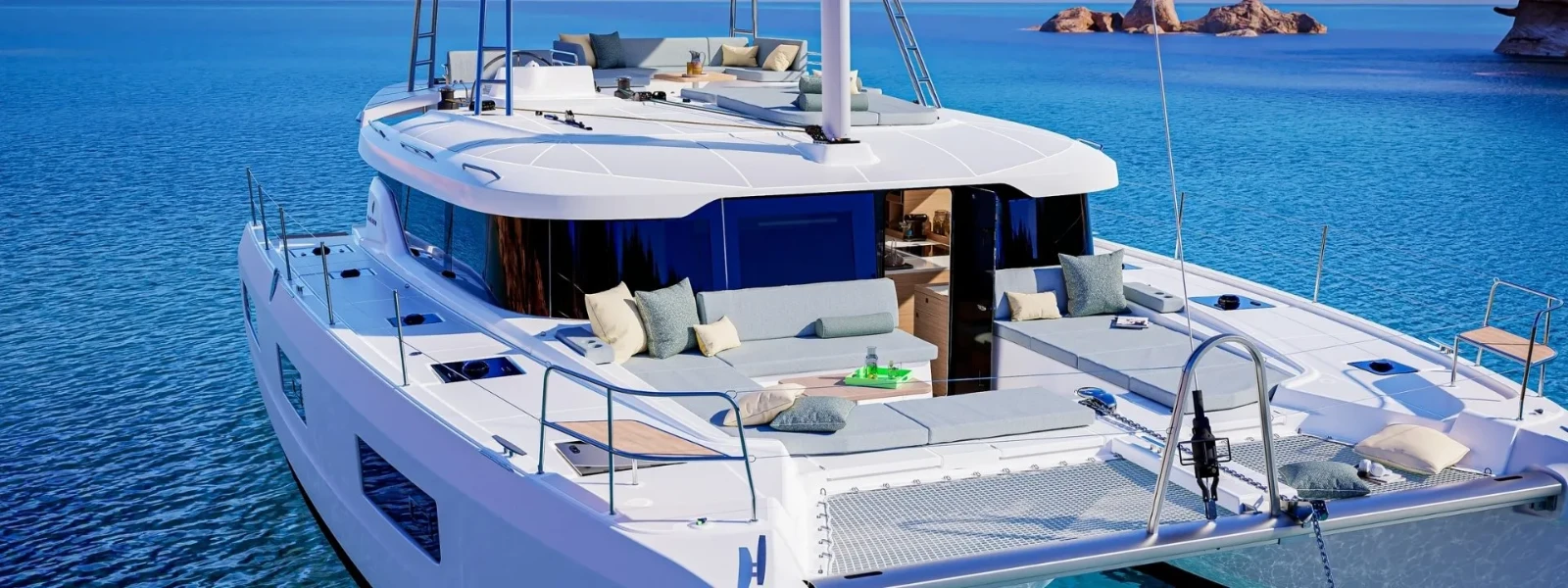
For Amalfi and the Aeolian Islands, a monohull is the more sensible choice. Mooring buoys are sized for monohulls; catamaran upcharges in regulated areas can be punitive. For Sardinia and the Riviera, both work; catamarans are increasingly popular in La Maddalena because the granite-bottom anchorages are tricky and the catamaran’s shallow draft helps. For groups of more than six adults, the catamaran wins on living space regardless of cruising area. Our catamaran vs monohull comparison covers the trade-off.
Real costs for 2026
A 45-foot bareboat monohull from Salerno in late June 2026 runs €5,500–7,500. From Olbia, the same boat is €6,500–8,500 (Sardinian premium). A 45-foot catamaran sits at €13,000–18,000 across both bases. Add €1,200–2,000 per crew for fuel, mooring buoys, marina nights, provisioning, and port taxes. Italy’s APA system (Advance Provisioning Allowance) on crewed yachts adds a layer; bareboat is simpler.
The mistakes most Italian charterers make
The first is underestimating motoring time. Italian summer afternoons are often glassy, and most one-day legs end up under engine. The second is not booking marinas. Capri, Positano, Porto Cervo and Bonifacio (a popular Sardinia day-trip across the strait into Corsica) all need to be booked weeks ahead in July and August. The third is treating Italy like Greece. Anchorage rules are stricter, distances between bases are longer, and ad-hoc planning is harder. Italy rewards a plan.
Where to go next
The 7-day Amalfi Coast itinerary gives a realistic week off Salerno. The Sardinia and Costa Smeralda guide covers La Maddalena and the Bonifacio crossing in detail. For boat-type choice, the catamaran vs monohull guide is a useful next read.
Frequently asked questions
Do I need an Italian boating licence to charter in Italy?
No — international qualifications (ICC, RYA Day Skipper, US Sailing) are accepted by reputable charter companies. Make sure your licence is listed on the crew list at check-in.
Is the Amalfi Coast worth the hassle in peak season?
If it’s your first time and you only have a week, yes. If you’ve already sailed Italy and you don’t enjoy crowds, go to Sardinia or the Aeolian Islands instead.
Can I sail one-way from Italy to Greece?
Yes, several charter companies offer one-way Brindisi–Corfu transfers. Expect a 30–50% upcharge and a longer crossing day. Best done in a stable June or September weather window.
How does Italy compare with Croatia for first-time charterers?
Croatia is generally easier — distances are shorter, prices are lower, anchoring is freer. Italy is more dramatic and more regulated. The 7-day Split itinerary is a good next read for the Croatian comparison.
What’s the best Italian charter destination for families?
The Italian Riviera (Liguria) for short hops and easy ports, or Sardinia’s south coast (Cagliari area) for sandy anchorages and warm water. The Amalfi Coast is photogenic but logistically demanding for kids.
Provisioning, fuel and Italian operating culture
Provisioning in Italy is easy in cities, harder in island bays. Major supermarkets — Conad, Esselunga, Pam, Eurospin — sit within walking distance of every charter base. Capri’s Marina Grande has a small Conad, but island prices run 30–50% higher than mainland. Local alimentari in smaller harbours sell fresh bread, cured meats, cheese, fruit; provision the substantial part in cities and use island shops for daily top-ups. Budget €130–170 per crew member for week-long groceries plus dinner ashore.
Fuel runs €1.85–2.20 per litre in 2026 — Italy is the most expensive Mediterranean country for charter diesel. Most marinas have fuel docks; some smaller harbours don’t, so refuel at the major bases (Salerno, Olbia, La Spezia, Palermo) rather than counting on remote stops. Marinas charge separately for water, electricity, waste pump-out, and showers; budget €30–60 of incidentals per night on top of the berth fee.
Italian charter culture and crew expectations
Italian charter operators run a more formal handover than Greek or Croatian operators. Expect a 60–90 minute briefing covering boat systems, local hazards, mooring rules, and emergency procedures. Italian charter agreements are typically detailed — read the damage policy and APA (if crewed) terms before signing. Tipping skipper-and-hostess is expected at 10–15% of the crew week-rate, paid in cash at the end of the charter. Non-Italian charterers consistently underestimate marina protocol — Italian harbour-masters expect VHF radio contact 30 minutes before arrival in commercial harbours like Capri, Bonifacio (Corsica) and Porto Cervo. Drift in unannounced and you’ll wait 90 minutes for berth assignment.
The Italian APA system, in detail
On crewed Italian charters (skippered, gulet-style, or fully crewed motor yachts), the APA — Advance Provisioning Allowance — is a separate line item from the boat charter rate. The APA is held in trust by the captain and used to pay running costs (fuel, marina overnights, mooring buoys, provisioning, port taxes, day-of expenses). At week-end, the captain reconciles actual spend against the APA; surplus is refunded, deficit is collected. APA typically runs 25–35% of the gross charter rate — a €20,000 boat-week becomes a €25,000–27,000 trip with APA. Bareboat doesn’t use APA; you pay each cost as it occurs. Confirm the APA model at booking and request a sample reconciliation from a recent charter.
Crossing windows for one-way charters
One-way Italian charters — Salerno-to-Sardinia, Sardinia-to-Liguria, Brindisi-to-Corfu — are a common upcharge from operators. The right crossing window matters: Salerno → Sardinia is best in May, June, or September with stable highs; avoid August’s reverse-flow squalls. Brindisi → Corfu is a 75-NM open-water leg, best on a stable forecast in June or September. Sardinia → Riviera is the longest standard one-way (180 NM) and almost always involves an overnight at sea. Most operators charge a 25–40% upcharge for one-way charters; some require a paid skipper for the crossing leg.
Descubra os barcos
Barcos para alugar nos destinos de que fala este artigo.
Navegue você mesmo — itinerários sugeridos
Ver todos os itinerários de Sardenha →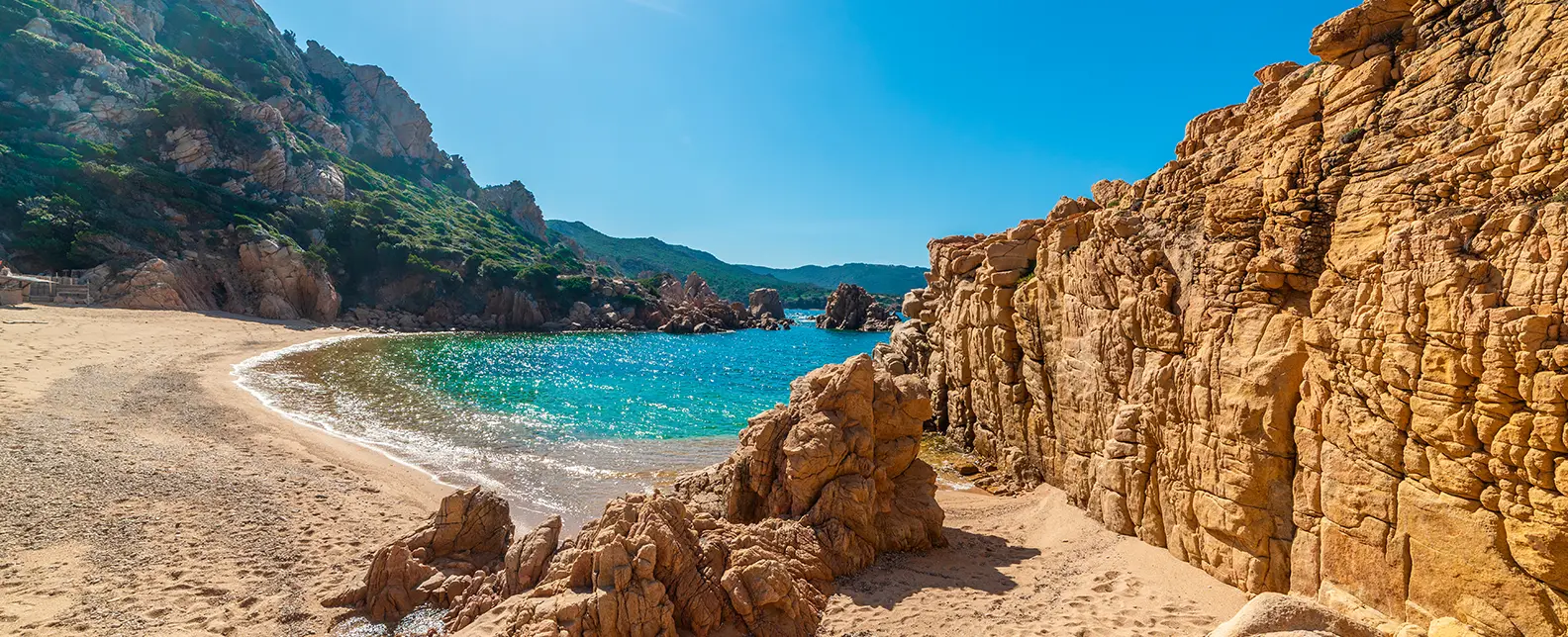
Ideias para suas próximas férias de navegação
Aluguel de barcos e charter de iates em todo o mundo com os melhores preços