Spain & Balearics Sailing Guide 2026: Mallorca, Ibiza, Menorca & Formentera
Updated May 2026.
Spain has two distinct sailing markets that share the same flag but almost nothing else. The Balearics — Mallorca, Menorca, Ibiza, Formentera — are the premium charter ground, with high prices, gorgeous water, and serious crowding in peak summer. The mainland Spanish coast — Costa Brava, Costa Daurada, Valencia — is quieter, cheaper, and a different sailing experience. This guide covers both, but most charter weeks happen in the Balearics, so we start there.
The Balearics, ranked by who they suit
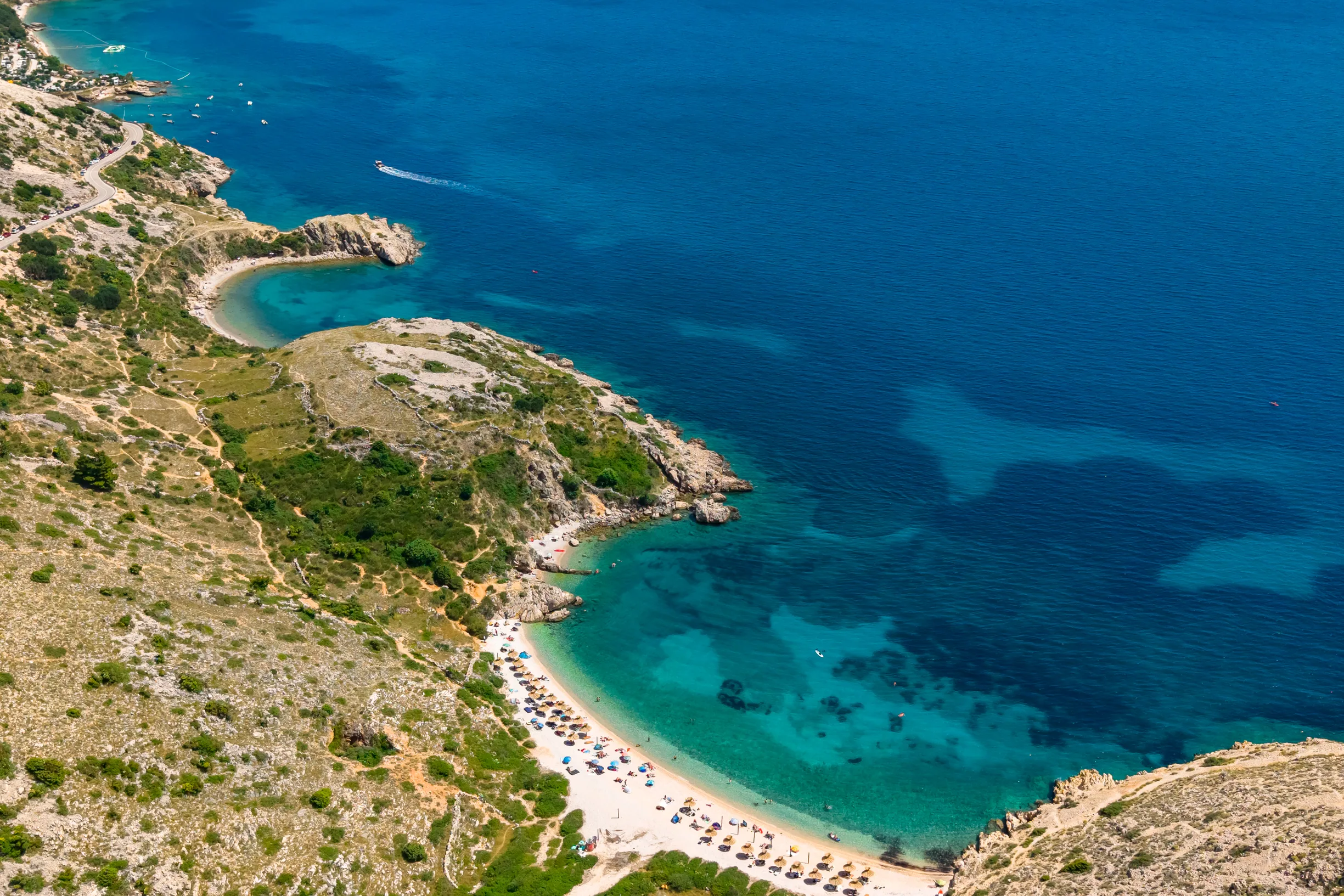
Mallorca is the largest and most varied. The south coast (Cabrera, Es Trenc, Colònia de Sant Jordi) has sandy anchorages and turquoise water. The northeast coast (Pollença, Formentor) has cliff scenery and deeper bays. The west coast is wilder and more exposed. A weeklong Mallorca-only charter is genuinely possible.
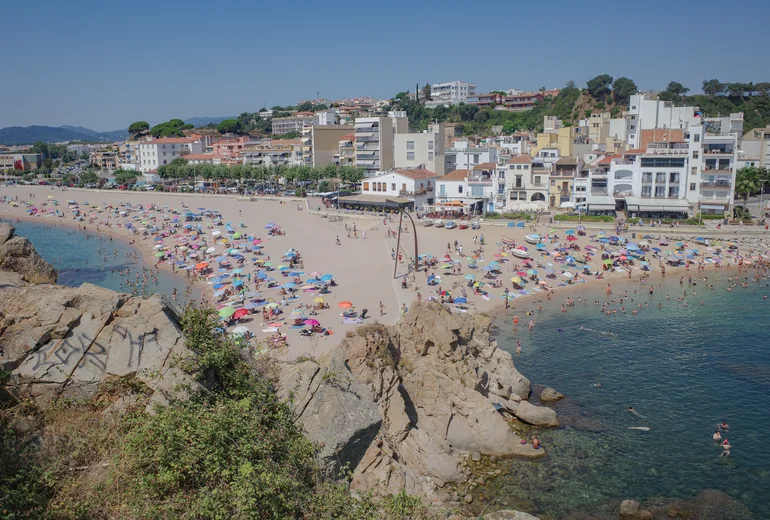
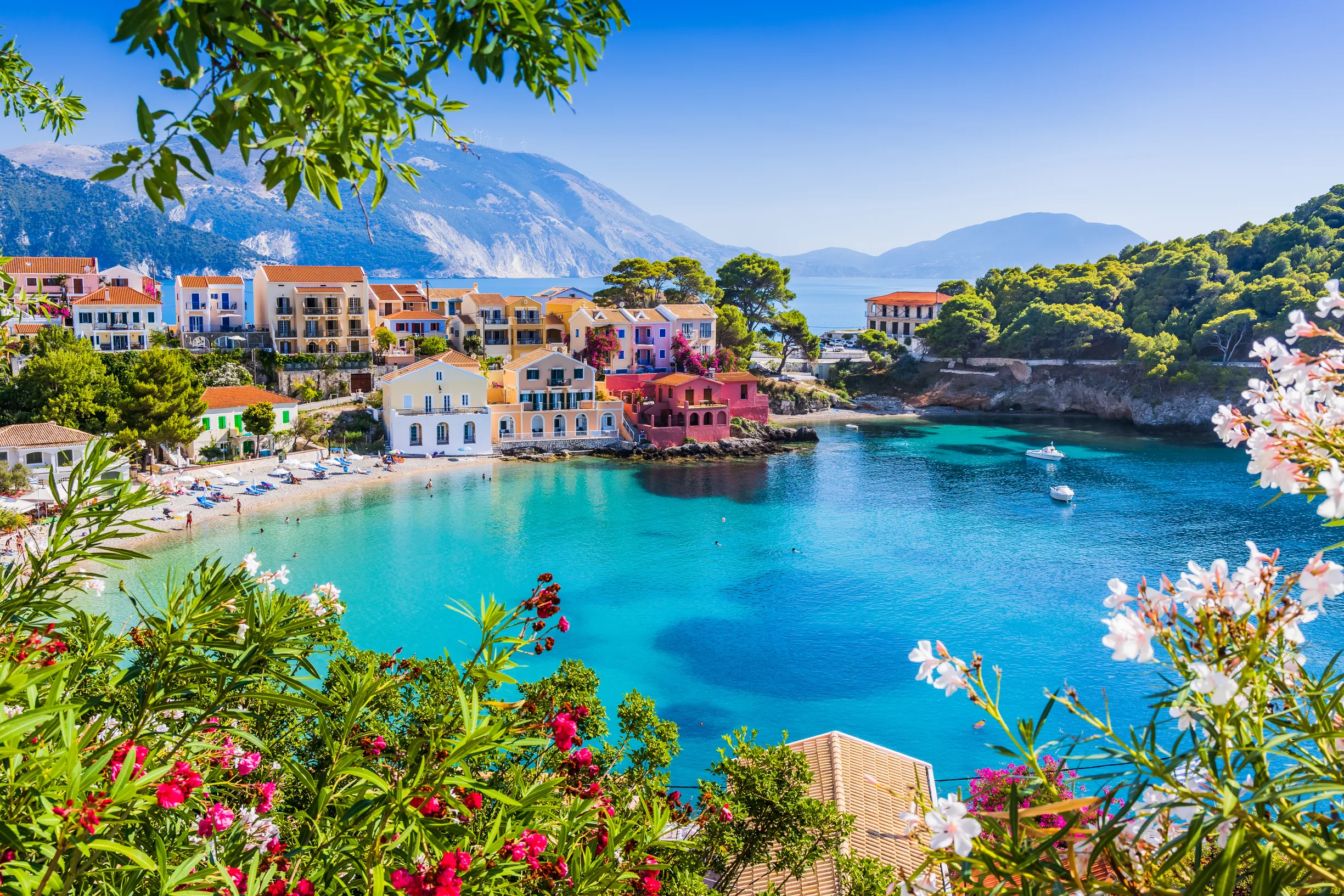
Menorca is the calmer sister island. The southern coast has the Balearics’ most photogenic calas — turquoise water, white sand, low cliffs. Crowds are 30% lower than Ibiza-Formentera. Northeast Menorca around Mahón has fewer obvious anchorages but a stunning natural harbour.
Ibiza is the party island, and the boats reflect it. Anchorages on the west coast (Cala Salada, Cala d’Hort) are crowded and noisy in July and August. The north coast is much quieter and worth the diversion.
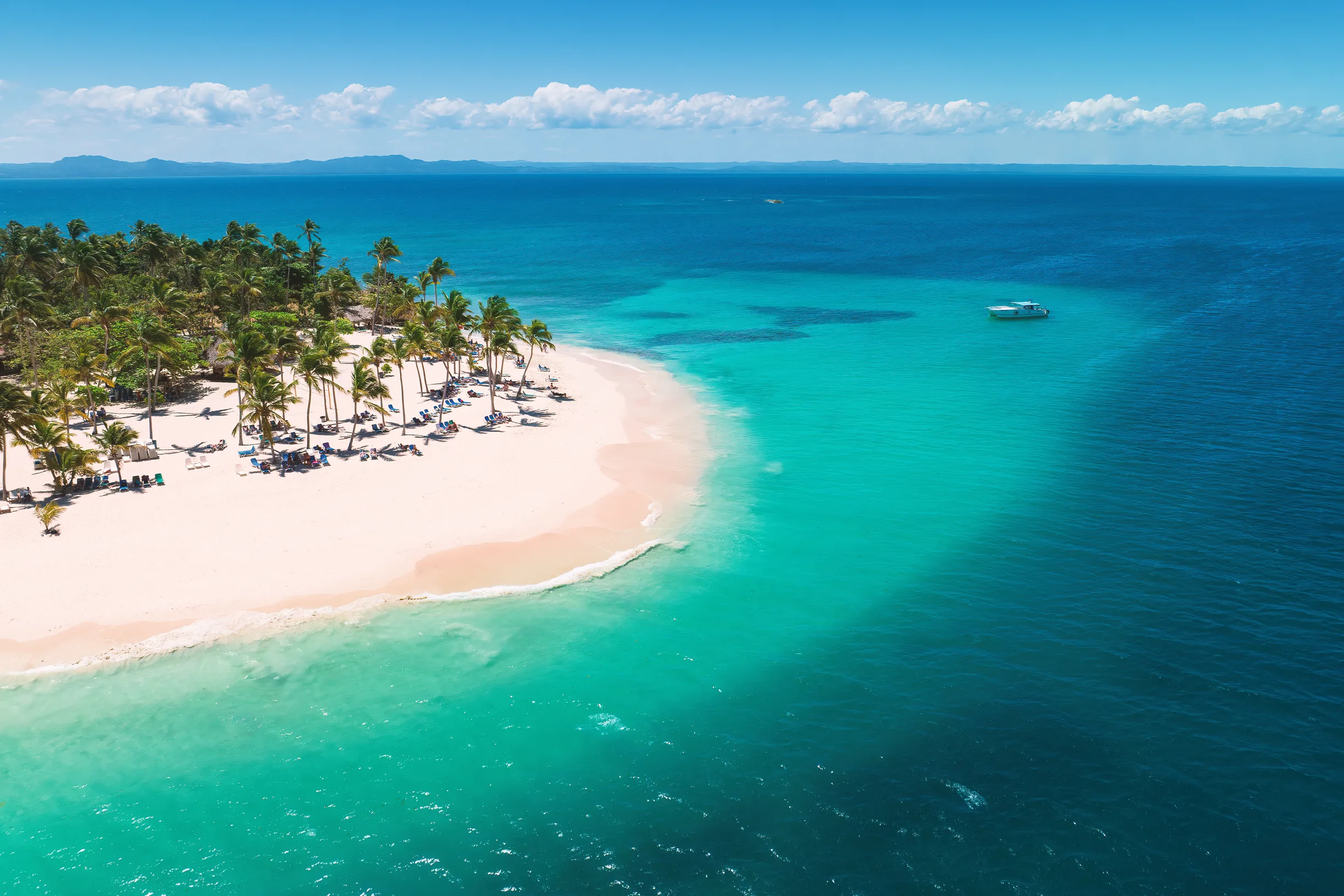
Formentera is the postcard. Crystal water, sand bottoms, fewer than 12,000 residents. Day-tripper boats from Ibiza arrive in waves; overnight anchoring is now restricted in protected seagrass beds, with paid buoys mandatory in marine reserves.
Best months for the Balearics
May–June — water reaches 22 °C by late June. Marinas have availability. Anchorages have space. Wind is light to moderate.
July–August — high season. Marinas in Palma, Ibiza and Formentera book out 4 months ahead. Costs peak, anchorages fill by 14:00, and superyachts dominate the headlines.
September — the smart month. Water at 25 °C, kids back at school, marina prices drop, anchorages workable.
October — shoulder season. Some marina services scale back after the 15th.
Charter bases
Palma de Mallorca is the dominant Balearic base — Real Club Náutico, Club de Mar, La Lonja and several smaller marinas hold the largest charter fleet in the western Mediterranean. The airport is 15 minutes from most berths.
Ibiza Town is a working alternative if you specifically want to start there, but berths are limited and turnover is intense. Most operators recommend pickup in Palma and a Day-1 sail south to Cabrera or west to Ibiza.
On the mainland, Barcelona handles the Costa Brava fleet, and Valencia serves the Costa Daurada and southern coast. From either base you can hop to the Balearics in a 12–14 hour overnight crossing — feasible but not relaxed.
Mooring rules — the critical bit
Spain has tightened anchoring regulations sharply since 2018. Marine reserves around Cabrera, parts of Formentera, and the Tramuntana coast of Mallorca require paid mooring buoys, booked online before arrival. The inspection patrol is active in July and August. Anchoring in protected seagrass (posidonia) carries fines of €100–500 per occurrence. Use the official Balearic Posidonia map app — most charter companies hand it to you at check-in.
What kind of boat fits the Balearics
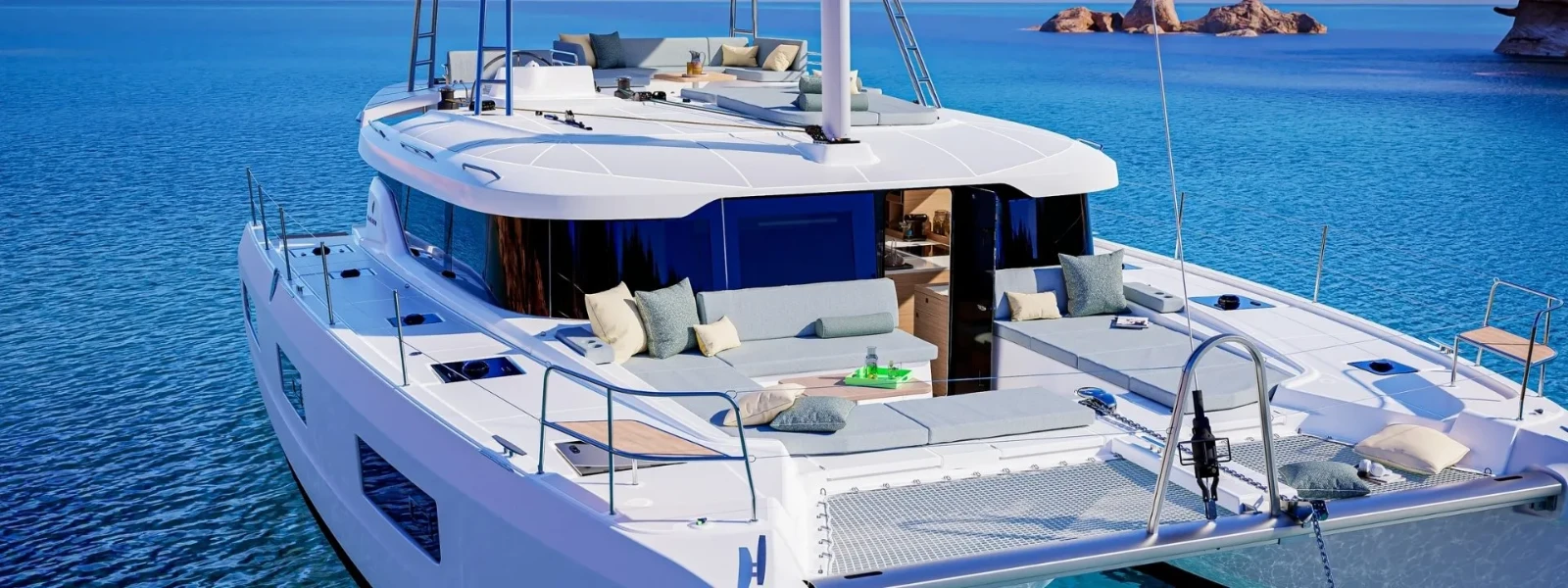
Modern catamarans dominate the family charter fleet. The combination of sandy anchorages, shallow approaches and big crews makes them a natural fit. Monohulls remain better value for experienced sailing crews of four who care about heel and feel. The catamaran vs monohull guide walks through the choice in detail.
Costs in 2026
A 45-foot bareboat monohull from Palma in late June 2026 runs €5,500–7,500. A 45-foot catamaran from the same base sits at €13,000–18,000 — the Balearics carry a small premium over Croatia or Greece. Marinas in peak season run €100–250 a night for a 45-footer in Palma; €200–400 in Formentera; €300–500 in Ibiza Town. Add €1,200–2,000 per crew for fuel, marina nights, mooring buoys, provisioning, and port taxes.
The honest mistakes
The first is not booking marina nights. Formentera in July is impossible without a reservation made in March. The second is anchoring on posidonia without checking the app — the fines are real, the map is free. The third is treating Ibiza as the destination. Ibiza is one stop on a Balearic week, not a week of its own.
Where to go next
For a working week, see the 7-day Balearics itinerary from Palma. For boat-type choice, the catamaran vs monohull guide is the next read. For a working week, the Balearics itinerary from Palma walks the same ground in detail.
Frequently asked questions
Do I need a Spanish licence to charter in the Balearics?
No. Spain accepts the ICC, RYA Day Skipper and equivalent qualifications for the bareboat skipper. Crew don’t need licences.
Is Mallorca or Ibiza better for a first-time charter?
Mallorca. The south coast has more anchorages, fewer crowds, and shorter legs. Ibiza is the party island — better as Day 4 of a Mallorca week than as a base.
Can I sail to Menorca and back in a week from Palma?
Yes, but it’s a real week. Palma → Cabrera → south coast Mallorca → Mahón → Menorca south coast → return. Plan 5 sailing days, 2 lay days.
What’s the posidonia rule and how strict is it?
Posidonia is the seagrass that carpets parts of the Balearics seabed. Anchoring on it is illegal. Charter boats now carry sonar maps and the official app — use them. Fines are issued by patrol boats.
Are crewed yachts more common in the Balearics than bareboat?
More common than in Croatia or Greece, yes. The Balearics fleet skews toward larger, premium catamarans and motor yachts, often with a hostess included. The bareboat vs skippered guide covers when each makes sense.
Provisioning, fuel and Balearic operating culture
Provisioning in Mallorca is excellent — Mercadona, Carrefour, Eroski, Lidl all within 10 minutes of Palma’s marinas. Ibiza Town and Mahón (Menorca) have full supermarkets; smaller bays do not. Provision the substantial week’s groceries at Palma before pickup, then top up at island shops as needed. Local colmados in villages sell fresh bread and basics. Budget €140–180 per crew member for week-long groceries plus dinner ashore — the Balearics carry a 10–15% premium over mainland Spain.
Fuel runs €1.65–1.95 per litre in 2026. Most marinas have fuel docks; Cabrera National Park and Formentera anchorages do not, so plan refuelling at major harbours. Marina overnights in Palma are €100–250 in season; Formentera and Ibiza Town can hit €350–500 a night for a 45-footer. Most charters minimise marina nights and anchor or take buoys for 4–5 nights of the week, saving €600–1,200 across the trip.
The Balearic restaurant scene worth a detour
The Balearics’ restaurant culture is split into two: serious gastronomy (Mallorca’s interior, Ibiza Town’s fine-dining cluster) and the chiringuito beach bars on the coast. For charterers, the chiringuitos are the more relevant scene. Notable picks: Beso Beach at Formentera (book a buoy outside, tender in), Es Calo on Formentera’s north coast, Casa Tomàs at Cala Bona on Mallorca, El Bigotes at Cala Mastella on Ibiza (cash only, lunch only, reservations weeks ahead). Dinner at any of these runs €60–100 per person — premium but the venue is part of the charter.
Trip prep — what most charterers forget
Specific Balearic prep: cash in small denominations for restaurant tips and small village shops; sun protection rated for high-UV environments (the Balearic sun is the strongest in the Mediterranean from 12:00 to 16:00); insulated water bottles — almost no Balearic boat has a fresh water dispenser, and bottled water at marina shops costs €2–3 per litre; reef shoes for swimming at rocky calas (Cala Pi, Cala Mastella, Cala Saona); a portable Bluetooth speaker for the catamaran cockpit since charter boats rarely include one.
Booking windows and price sensitivity
Balearic charter prices are the most date-sensitive in the Mediterranean. Peak-week (mid-July to mid-August) rates run 50–80% above shoulder-season rates for the same boat. The smartest planning: book peak weeks 8–10 months ahead and never try to negotiate; book shoulder weeks (June, mid-September) 3–5 months ahead and watch for last-minute discounts. Last-minute peak-season deals don’t really exist in the Balearics — the boats simply book out, including premium catamarans, by April for the following August. Repeat charterers book the same week year-on-year and lock in pricing.
Boote entdecken
Charterboote in den Revieren, um die es in diesem Artikel geht.
Selbst segeln — empfohlene Routen
Alle Routen für Ibiza ansehen →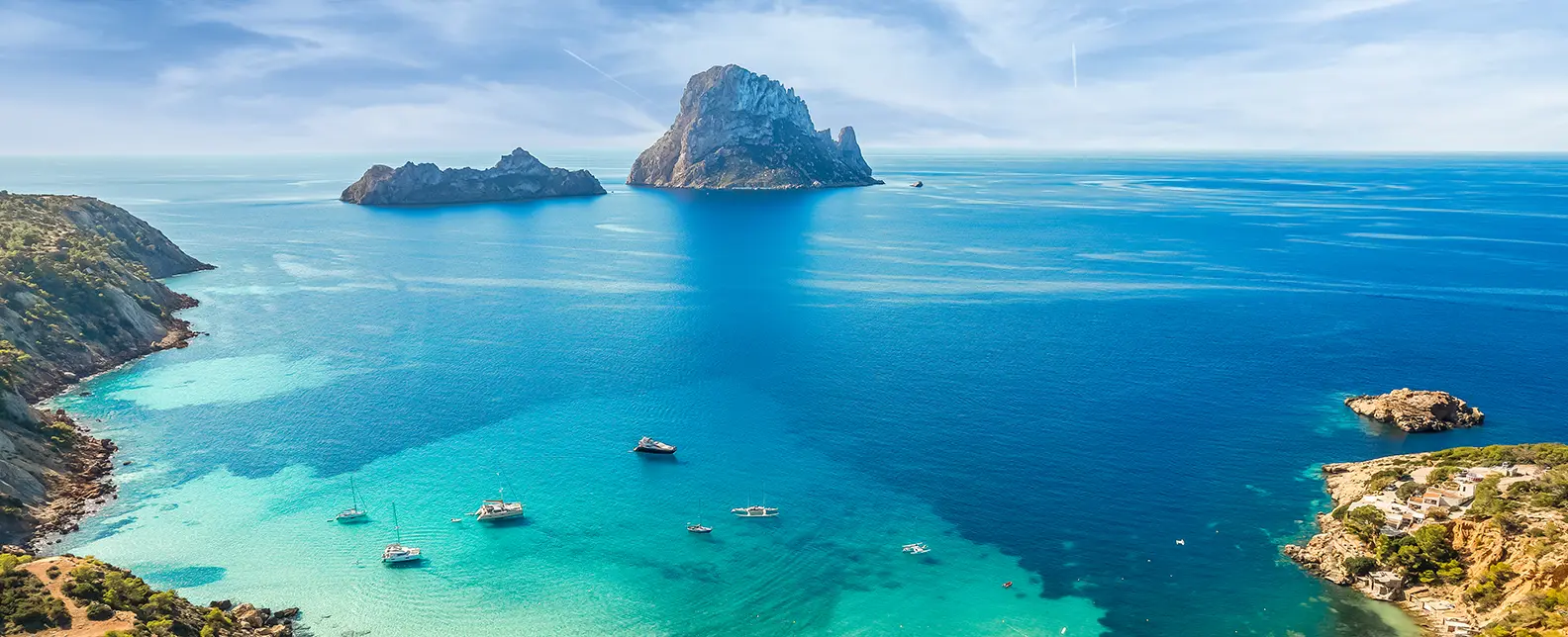
Ideen für Ihren nächsten Segelurlaub
Bootsverleih & Yachtcharter weltweit zu den besten Preisen