7-Day Balearics Itinerary from Palma: Mallorca, Cabrera, Ibiza & Formentera
Updated May 2026.
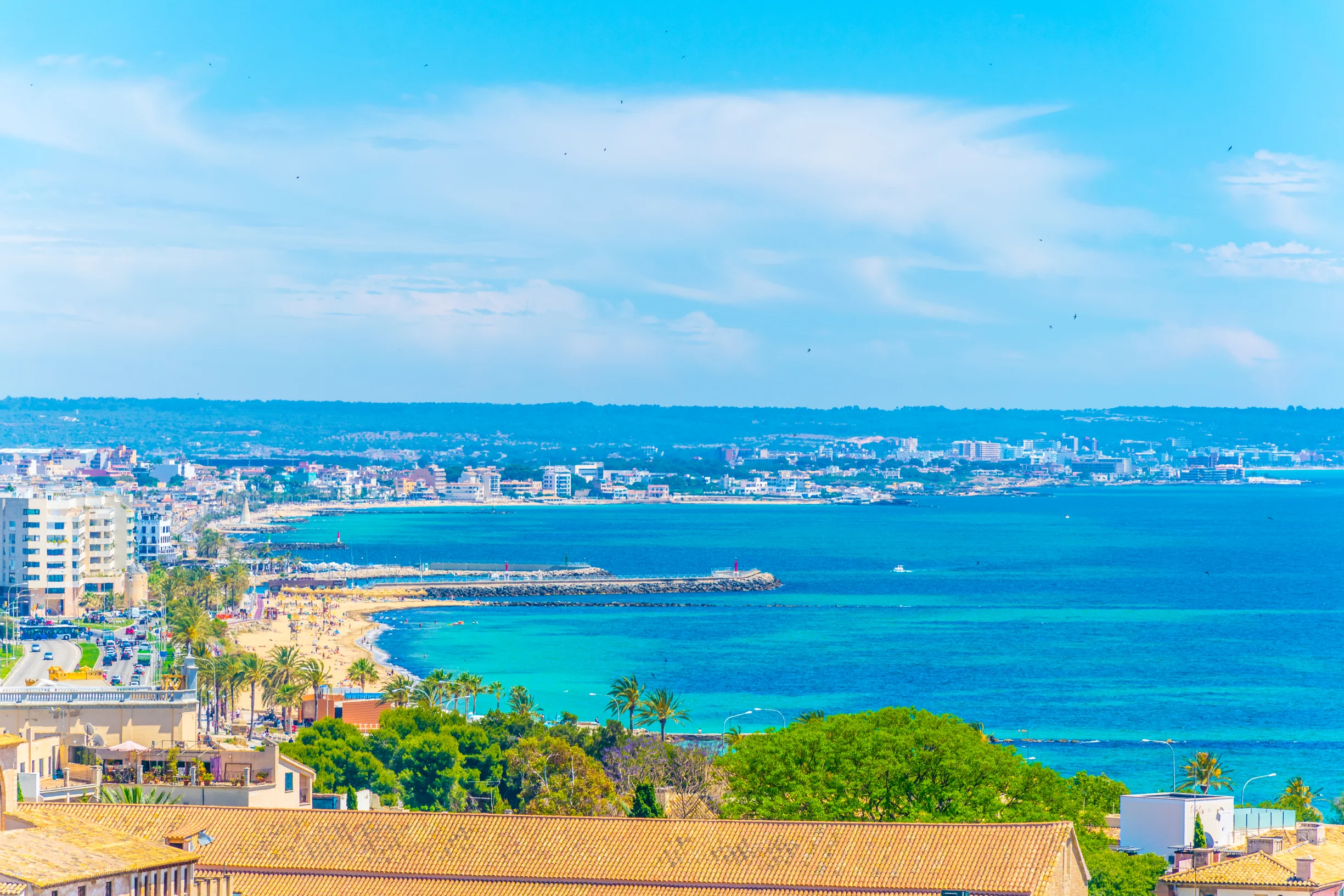
Palma is the dominant charter base in the western Mediterranean, with the deepest fleet and the most one-way options to Ibiza or Menorca. This standard route covers Mallorca’s south coast, the Cabrera National Park, and the Ibiza-Formentera pair. Most peak-season weeks are operationally tight — book marina nights at Cabrera and Formentera at the time you book the charter.
Day 1 — Palma to Cala Pi or Es Trenc (14 NM)
Pickup at Real Club Náutico Palma, Marina Port de Mallorca, or one of the smaller bases (La Lonja, Club de Mar). Provision at Carrefour or Mercadona near the marina. Cast off by 16:00 and sail east along Mallorca’s south coast. Cala Pi is a deep, narrow cove with sand bottom; Es Trenc is the long sandy bay just east of Cala Pi. Both anchor cleanly in 6–10 metres. Es Trenc gets crowded in season; Cala Pi is the quieter pick.
Day 2 — South Mallorca to Cabrera (12 NM)
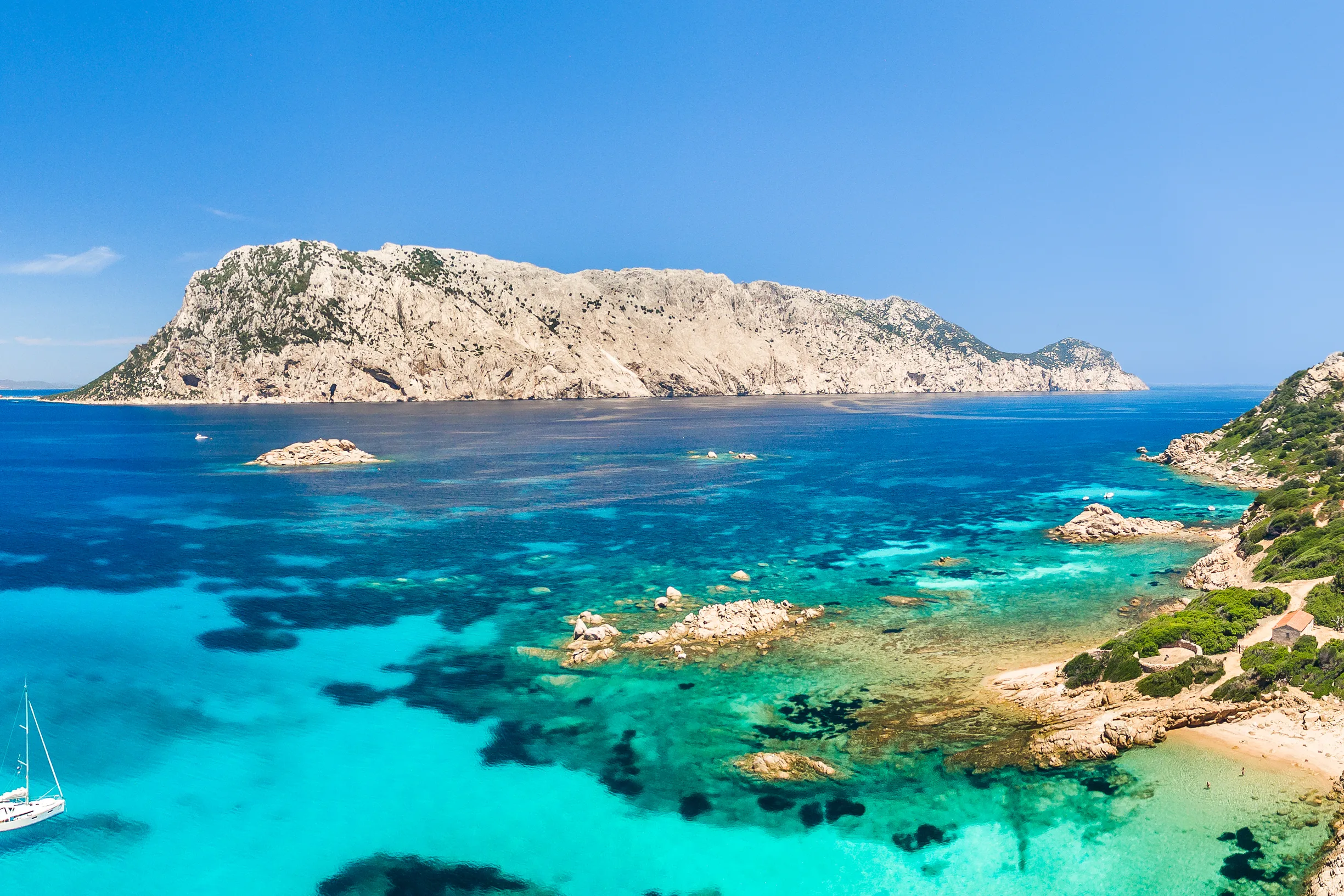
Cabrera is a national park 8 NM south of Mallorca — strict permit-buoy mooring only, no anchoring. Buoys must be booked through the official Cabrera reservation system; the system opens 30 days ahead and good buoys go in minutes. With a buoy booked, this is one of the highlights of the week — clear water, no roads, walking trails, the small museum at the old fort. Without a buoy, skip Cabrera and overnight at Cala Figuera instead.
Day 3 — Cabrera to Sant Antoni, Ibiza (52 NM)
The crossing day. 52 NM is roughly 9 hours under sail or 7 under engine in calm weather. Plan a 06:00 departure, lunch underway, arrival in Sant Antoni or Cala Salada by 16:00. The Sant Antoni harbour is busy and noisy in season; Cala Salada to the north is the quieter anchorage option. Sant Antoni has the famous sunset bars; Cala Salada has the sunset.
Day 4 — Ibiza north coast to Formentera (22 NM)
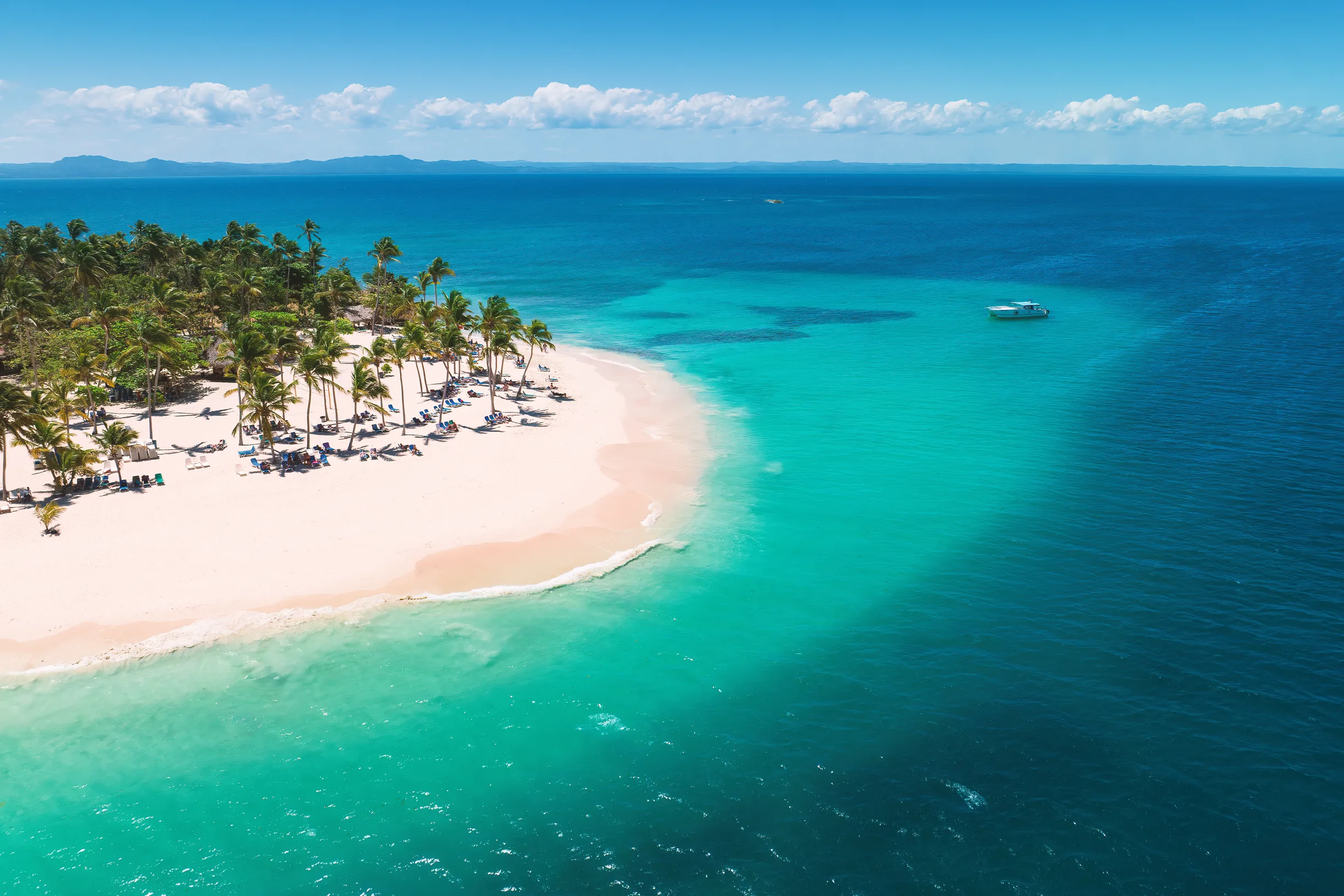
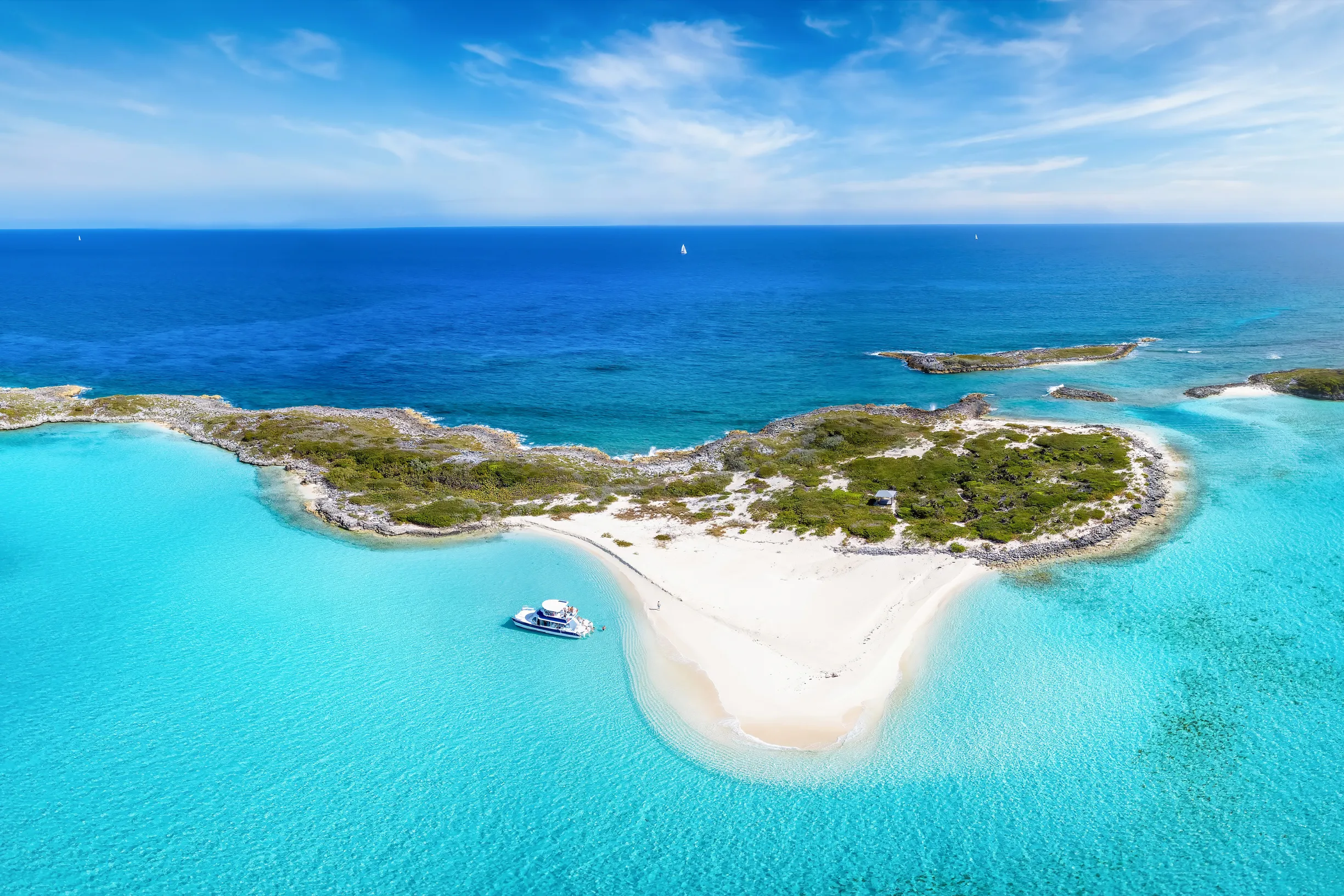
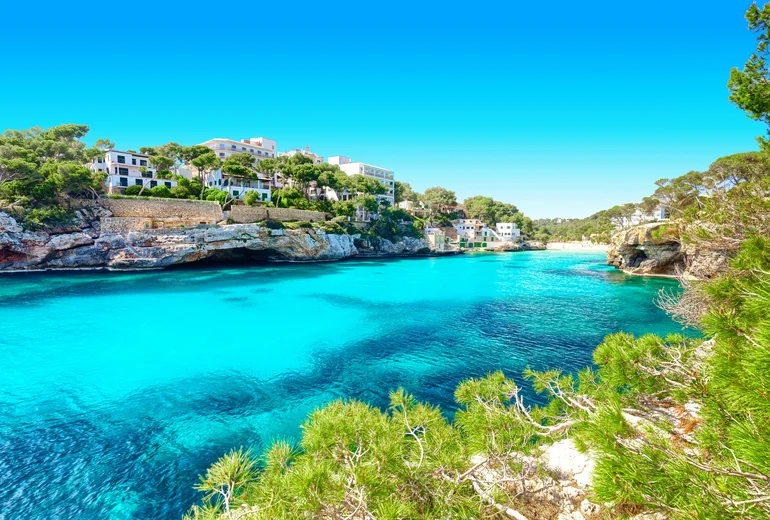
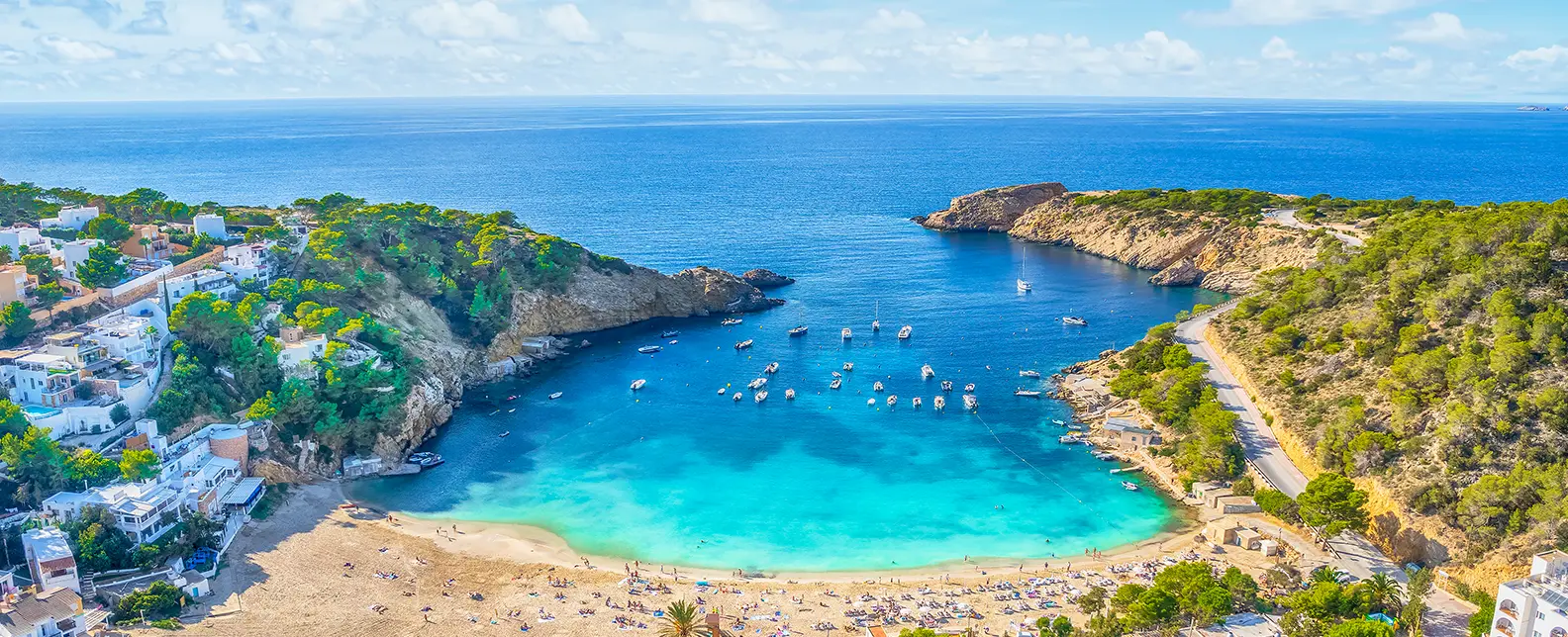
Round Ibiza’s south coast and cross to Formentera. Es Calo de Sant Agusti is a narrow harbour for monohulls only. Most catamarans anchor in Cala Saona or take a buoy at Espalmador. The Espalmador buoys are first-come-first-served and gone by midday in season. Formentera is the postcard — turquoise water, white sand, almost no built-up coast. Walk to Es Pujols for dinner.
Day 5 — Formentera to Ibiza Town (12 NM)
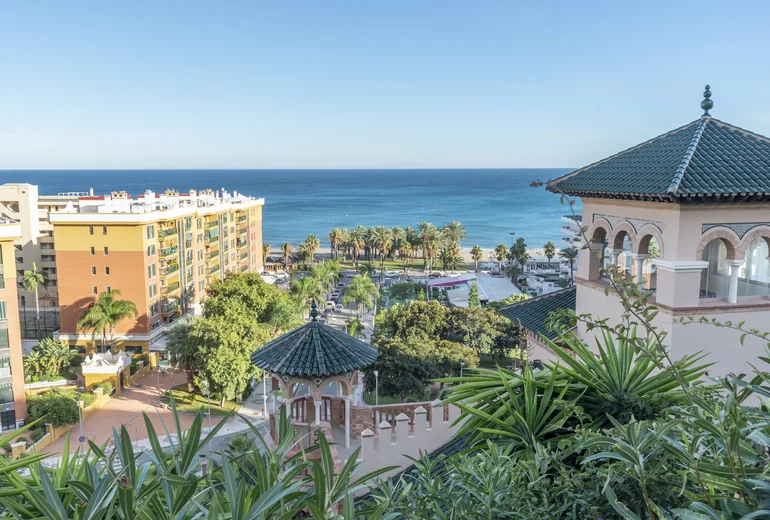
A short hop east to Ibiza Town and the marina at Marina Botafoch (or Marina Ibiza, more expensive). Ibiza Town’s old quarter (Dalt Vila) is a UNESCO site and worth a full afternoon walk. The marina is intense in season; a paid buoy in the bay outside is the alternative.
Day 6 — Ibiza to Mallorca west coast (50 NM)
The long return crossing. Plan an 06:00 departure. The destination is Sant Elm or Port d’Andratx on Mallorca’s southwest tip. Port d’Andratx has a small marina and a deeper anchorage; Sant Elm has a smaller bay. Both shelter from the prevailing west-northwesterly. Arrive by 17:00, have dinner ashore.
Day 7 — Andratx to Palma (15 NM)
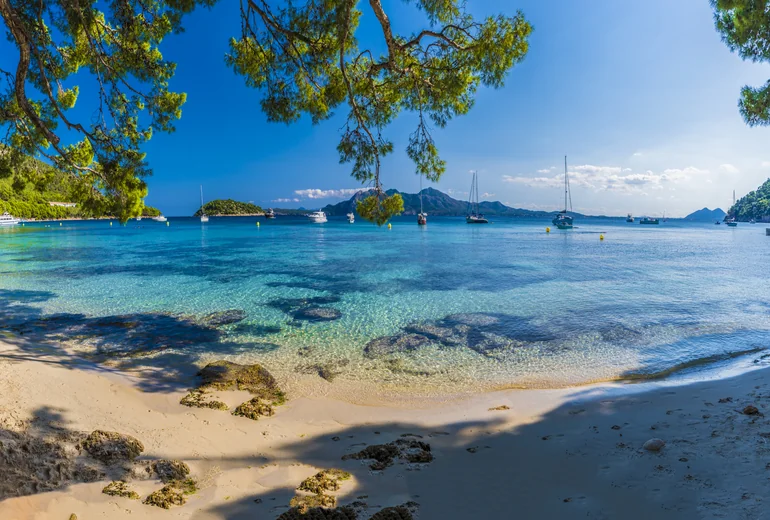
Direct return along the south coast. Aim for Palma by 13:00 for the 14:00 handover. Fuel up at the marina fuel dock before berthing.
Total distances and difficulty
Approximately 177 NM across the week, with two crossing legs over 50 NM. The Ibiza crossings are open-water sailing in conditions that can build to 25 knots. Recommended for crews with prior open-water experience or a hired skipper for the crossings.

Posidonia, mooring rules, and the boat sonar
The Balearics have strict anchoring rules in protected seagrass (posidonia) areas — Cabrera and parts of Formentera particularly. Charter boats now carry sonar maps; use them. Anchoring on posidonia carries fines of €100–500 per occurrence. The official Balearic Posidonia map app is free and worth installing.
Frequently asked questions
Is Mallorca enough for a full week without Ibiza?
Yes. A pure-Mallorca week — south coast, Cabrera, Pollença in the north — is shorter on driving time and the anchorages are quieter. The Ibiza-Formentera crossings are the most demanding part of this route.
Can I do this route on a catamaran?
Yes — most peak-season Palma fleets are 60% catamaran. Cabrera, Formentera and Ibiza all accept catamarans. Marina rates are 30–50% higher per night.
How tight is Cabrera buoy availability in 2026?
Very. The buoy reservation system opens 30 days ahead and peak-summer slots fill in under an hour. Set a calendar reminder for your trip date and book at 09:00 sharp.
What’s the alternative if I don’t get a Cabrera buoy?
Cala Figuera or Cala Pi on Mallorca’s south coast — both anchor in sand, both within 8 NM of Cabrera. You’ll miss the national park, but not by much.
Can I sail one-way Palma to Ibiza?
Yes, several operators offer the one-way route. Expect a 25–40% upcharge and a 6-day rather than 7-day timeline.
The Cabrera permit-buoy system, in detail
Cabrera’s permit-buoy system is the operationally tightest reservation in the Balearics. The system at www.balearsnatura.com opens reservations 30 days before each date at 09:00 sharp. There are roughly 50 buoys for sailing yachts; peak-summer slots fill in 15–30 minutes. The smart move is to set 5 calendar reminders for the 30-day marks before each potential Cabrera night. Have your boat dimensions, charter dates, and crew list ready — the form is in Spanish but works with browser auto-translate. Buoy fees in 2026 run €40–90 per night depending on boat size. Failure to secure a buoy means you skip Cabrera and overnight at Cala Pi or Cala Figuera on Mallorca’s south coast instead.
The posidonia rules and the official map app
Anchoring on protected seagrass (posidonia) is the most-fined offence in the Balearics. The official Balearic Posidonia Maps app shows the protected and unprotected areas in real time and is mandatory at every charter handover. Charter boats now carry sonar maps and most have GPS overlays showing the seagrass zones. The fine is €100–500 per occurrence, issued by patrol boats that visit popular anchorages from 09:00 to 18:00. The risk areas are Cala Saona on Formentera, parts of Espalmador, and the Tramuntana coast of Mallorca. Use the app, anchor on sand only, and you’ll never see the patrol.
The Cabrera and Formentera reservation calendar
The two reservation systems that drive Balearic operations are Cabrera National Park buoys and Formentera marine reserve buoys. Cabrera opens at www.balearsnatura.com 30 days before each date at 09:00; popular slots fill in 15–30 minutes. Formentera buoys (Espalmador, S’Estany des Peix) are simpler — first-come-first-served at the location, but in peak season the buoys fill before noon. Set 5+ calendar reminders for the 30-day Cabrera marks before your trip, and plan to arrive at Formentera buoys before 11:00.
Trip prep for Balearic charters
Balearic-specific prep: install the official Posidonia Maps app before pickup; cash in small denominations for restaurant tips and small village shops; SPF 50+ for the strongest Mediterranean sun; insulated water bottles; reef shoes. Book Palma airport transfer in advance — taxis are easy but uneven on price; operator-arranged transfers are €25–40. The Balearic charter culture rewards preparation; everything that can be booked, should be booked.
Explore boats
Boats you can charter in the places this article covers.
Sail it yourself — suggested itineraries
View all Ibiza itineraries →
Ideas for your next sailing vacation
Boat rental & yacht charter around the world at the best prices