How to Vet a Charter Operator: Red Flags, Scams & the Checks a Marketplace Runs

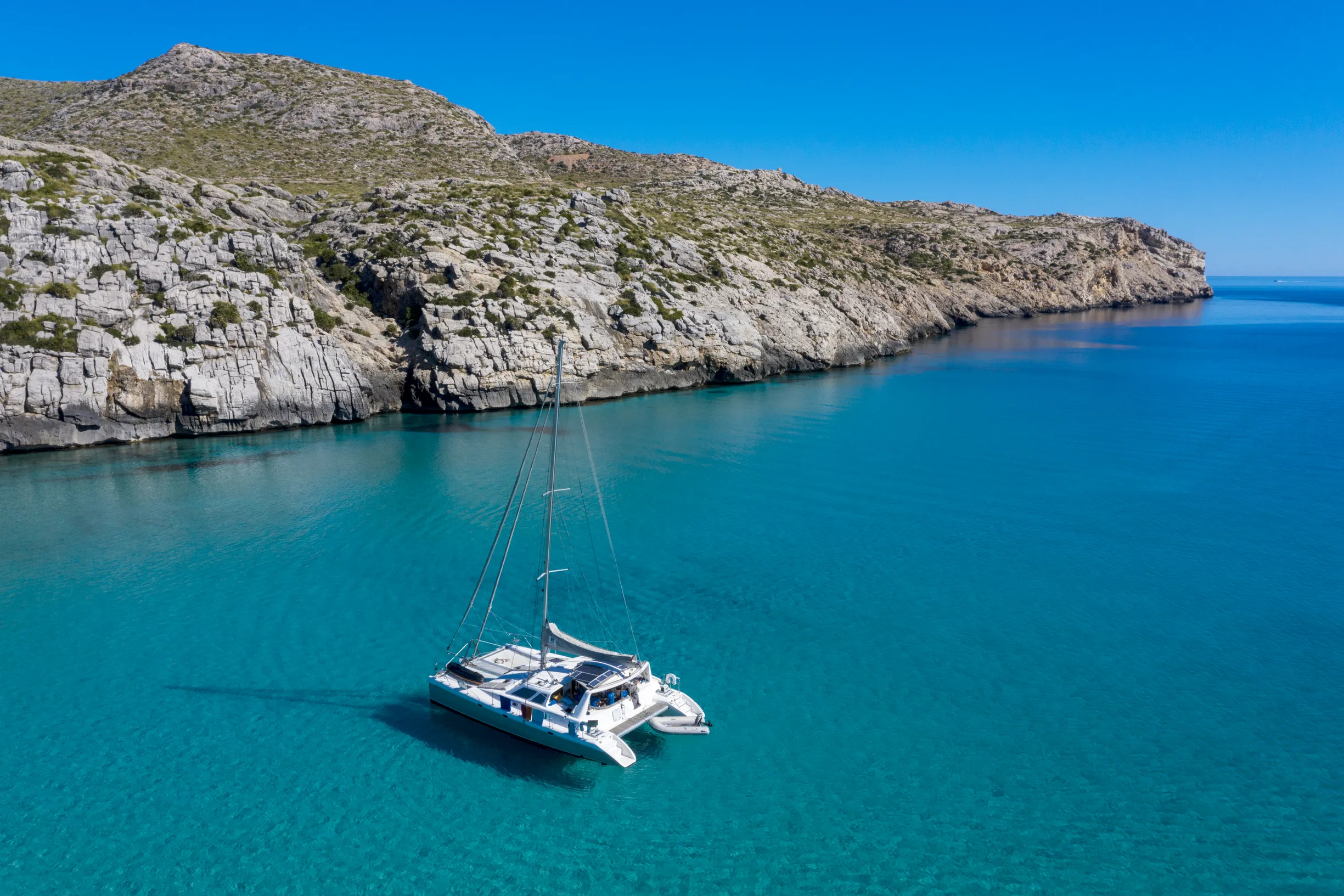
The yacht looked perfect: a three-cabin catamaran, glossy decks, a price about 18% below everything else for the same week in Croatia. The owner wanted a full deposit by bank transfer to a personal account, and he was very keen to “lock it in today.” That is the classic shape of a yacht charter scam, and it relies on one thing — that you feel rushed and don’t run the few checks that take ten minutes.
Vetting a charter operator is not glamorous, but it is the difference between a clean week on the water and a holiday spent arguing over a damage claim that was never real. Here is exactly what to look for, what a marketplace like ours checks before a boat is ever listed, and the red flags that should make you walk away.
Why charter fraud works (and when it spikes)
Charter fraud is seasonal. It clusters around January and February, when sailors book the summer and prices are quoted months before anyone sets foot on a pontoon. You are paying real money — often €2,000 to €6,000 in deposits — for a boat you have never seen, from a company you may never have heard of, for a date half a year away. That gap between payment and delivery is the whole opportunity.
Most problems are not full-blown theft. The more common stories are quieter: a “verified” listing that turns out to be a tired boat with broken air-con, a deposit that mysteriously isn’t refunded, or an agency that takes your money and books a different, cheaper yacht than the one in the photos. Knowing how yacht charter scams are run makes them much easier to spot.
Red flag #1: how they want to handle your money
Payment handling is the single loudest signal. A legitimate operator or charter agency has a structured payment plan — typically a deposit of 30–50% on booking and the balance four to six weeks before embarkation — and they take it through a traceable channel. If you understand how charter pricing is built from a base rate plus extras, you’ll also recognise when a payment request looks off.
- Personal account transfers. A request to wire the full amount to an individual’s bank account, rather than a company account or a card/escrow system, is the biggest warning of all. Real charter firms invoice from a registered business.
- Pay-everything-now pressure. Demanding 100% upfront for a booking eight months out is abnormal. So is “the price expires tonight.”
- Crypto or gift cards. No reputable charter base has ever asked for payment in untraceable form. None.
Card payments and agency-held funds give you recourse; a private transfer to a stranger gives you almost none.
Red flag #2: photos that don’t add up
Stock-perfect images with no context are easy to lift. Reverse-image-search two or three of the listing photos — if the same shots appear on five unrelated charter sites, you’re looking at a template, not a real boat. Ask for a recent photo of that specific hull with the current year’s registration or a dated newspaper in frame. Genuine bases send it without fuss.
Watch the details too. A listing that shows a 2023 model but quotes equipment from a decade ago, or photos taken in obviously different marinas, suggests the “fleet” is a collage. Real operators photograph their own boats, often badly, with fenders out and laundry on the lifelines.
Red flag #3: the contract (or the lack of one)
No contract, no booking. A proper charter agreement names the exact yacht (make, model, year, sail number), the embarkation base and times, what the security deposit covers, the cancellation terms, and who the insurer is. If an operator won’t put the boat’s specifics in writing, assume they can’t.
What a real contract spells out
- The named yacht and a clause on what happens if it’s swapped (a legitimate substitute must be equal or better).
- The security deposit amount, how it’s held, and the timeline for its return — usually within a week or two after a clean check-out.
- Cancellation and force-majeure terms, and whether a deposit insurance or damage waiver is offered.
Read the deposit clause twice. The most common honest dispute in charter is the refundable security deposit — knowing in advance how it’s released saves a lot of grief.

Red flag #4: a company you can’t actually find
Spend five minutes on the business itself. A real charter operator or base has a registered company, a physical marina address, and a trail you can follow — reviews on more than one platform, a phone number that someone answers, and ideally membership of a recognised body. In Croatia, look for the firm in the court register; across the EU, a VAT number you can validate is a quick sanity check.
Be wary of brand-new websites with no history, no named staff, and reviews that all landed in the same fortnight. Cross-check the operator’s name against sailing forums; experienced charterers are blunt about agencies that mishandled a deposit.
What a marketplace checks before a boat is listed
This is the part only a platform can speak to honestly. When we onboard an operator, the boats don’t just appear — the company is checked first. We were built as a charter agency portal precisely so charterers don’t have to vet every base alone, and the screening is deliberately boring.
In practice that means verifying the operator is a registered charter business with valid insurance, confirming the fleet exists and is correctly specified through the booking systems the bases actually use, and routing payments so funds aren’t sitting in someone’s personal account. Pricing comes straight from the operator’s live availability, which kills the “bait yacht, swap to a worse one” trick — the boat you see is the boat that’s held. None of this makes a marketplace immune to a bad week of weather, but it removes the categories of fraud that catch individual buyers booking direct from a classified ad.

The ten-minute vetting routine
If you’re booking direct, run this short sequence before any money moves. It’s quick and it filters out almost every scam.
- Confirm the company is registered and find a second, independent review source.
- Ask for a dated photo of the exact yacht and check the registration matches the contract.
- Insist on a written contract naming the boat, the deposit terms, and the insurer.
- Pay only by card, escrow, or to a verifiable company account — never a personal transfer.
- Keep every message and invoice; a real operator is happy to be on the record.
If you’d rather skip the legwork, browsing pre-vetted boats across the Mediterranean in one place does most of this for you. And once you’ve chosen, reading up on what an ordinary charter day actually looks like helps you spot when a quote promises something the boat can’t deliver.
Frequently Asked Questions
How do I know a charter operator is legitimate?
Check that it’s a registered business with a marina address, a validatable VAT number, and reviews on more than one site. Then confirm it will issue a written contract naming the exact yacht and accept payment through a traceable channel. If any of those three are missing, treat it as unverified.
Is it safe to pay a charter deposit by bank transfer?
To a verified company account, yes — that’s normal for the balance payment. To a personal account belonging to an individual, no. Card payments or agency-held funds give you a path to dispute a charge; a private transfer rarely does.
What is a normal charter deposit and payment schedule?
Most operators take 30–50% on booking and the balance four to six weeks before you board, plus a refundable security deposit handled at the base. A demand for the full amount months ahead, or for the security deposit in cash with no paperwork, is out of step with the industry.
Can the operator swap my boat for a different one?
A fair contract allows substitution only with an equal or better yacht if the original is genuinely unavailable. What you should never accept is a quiet downgrade to a smaller or older boat at the same price — that clause is exactly why the named-yacht line in the contract matters.
Why book through a marketplace instead of direct?
A marketplace screens the operator, verifies the fleet against live booking systems, and structures payment so funds aren’t sitting in a personal account. You still get the operator’s own price; you just skip the part where you have to investigate them yourself.
Ready to book without the guesswork? Search verified yachts and operators across the Mediterranean, or read how our agency model protects your booking from start to finish.
Explore boats
Boats you can charter in the places this article covers.
Ideas for your next sailing vacation
Boat rental & yacht charter around the world at the best prices