Is Türkiye Really 30–50% Cheaper? We Checked the Gulet & Catamaran Numbers
“Türkiye is half the price of Croatia.” You’ve heard it, and the temptation is to take it at face value. So we did the obvious thing and checked the numbers across the marketplace, comparing equivalent boats and crewed gulets week by week. The honest answer to is Turkey cheaper sailing charter territory: yes, often dramatically — but not on every boat, and not by the same margin once you compare like for like.
The gap is real where Türkiye’s own product has no Mediterranean equal: the crewed wooden gulet. It shrinks, sometimes to almost nothing, when you line up a late-model bareboat catamaran against the same model in Dalmatia. Here’s where the money actually moves.
The gulet gap is the real story
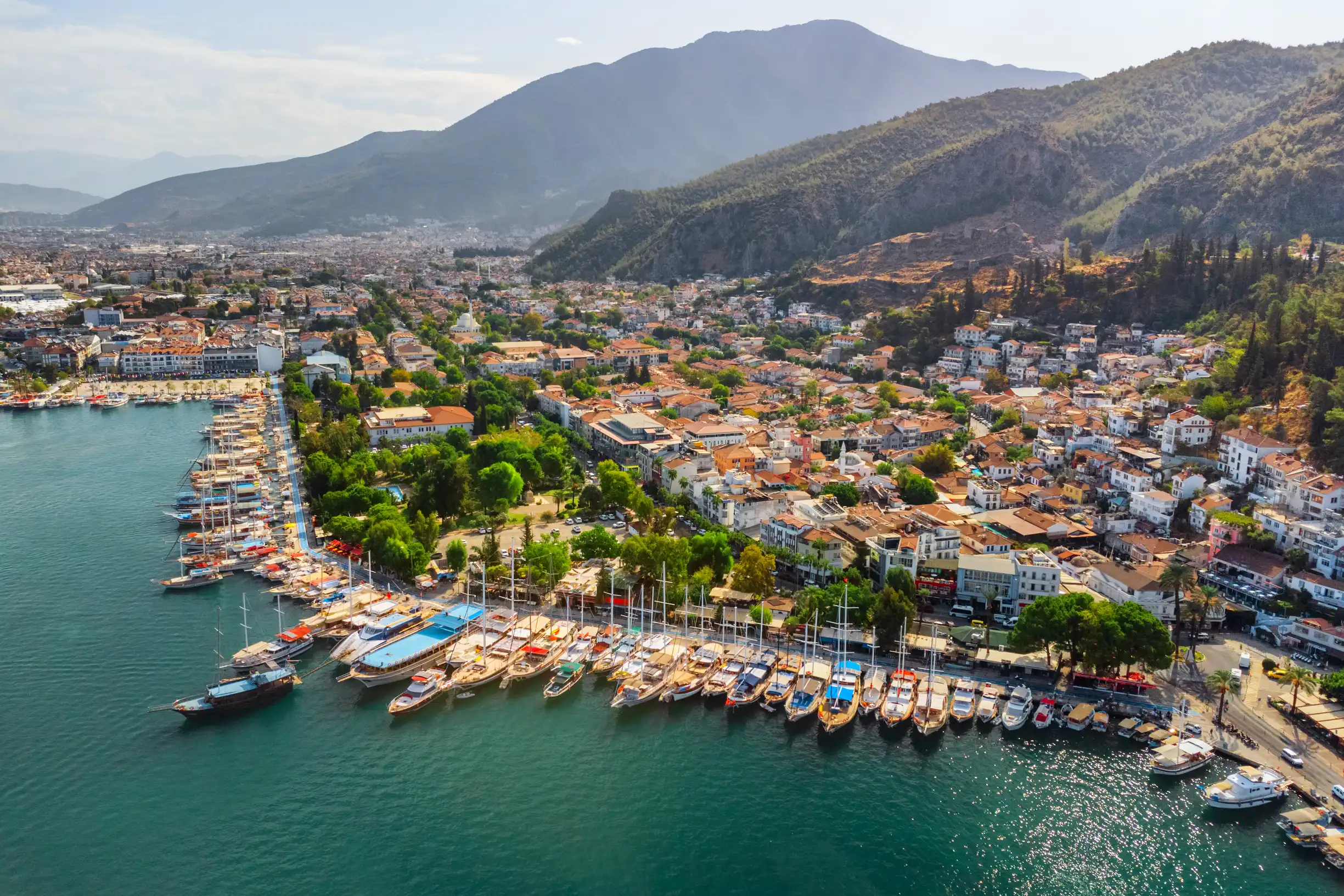
If there’s one figure that fuels the “Türkiye is cheaper” reputation, it’s the crewed gulet. A traditional wooden gulet — captain, cook, deckhand, full board — chartering out of Göcek or Fethiye for a high-summer week can run around €18,000–22,000 for a comfortable 4–6 cabin boat. The equivalent crewed experience in Croatia, where gulets are rarer and labour and berthing cost more, climbs past €30,000 fast, and often well beyond for anything modern.
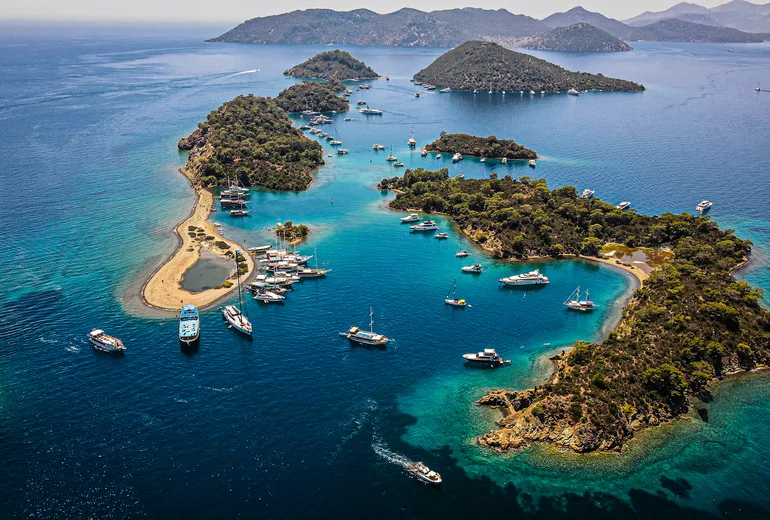
That’s not marketing spin; it’s structural. Türkiye builds gulets, crews them locally, and runs them in protected pine-fringed water where days are spent at anchor rather than burning marina fees. A week drifting between the Twelve Islands off Göcek, Yassıca Adası and the coves of the Gulf of Gökova costs the boat very little in port charges. We map the whole product in our gulet charter guide for Türkiye and Greece — and on this category, the savings are not a myth.
Where the savings shrink: modern bareboat catamarans
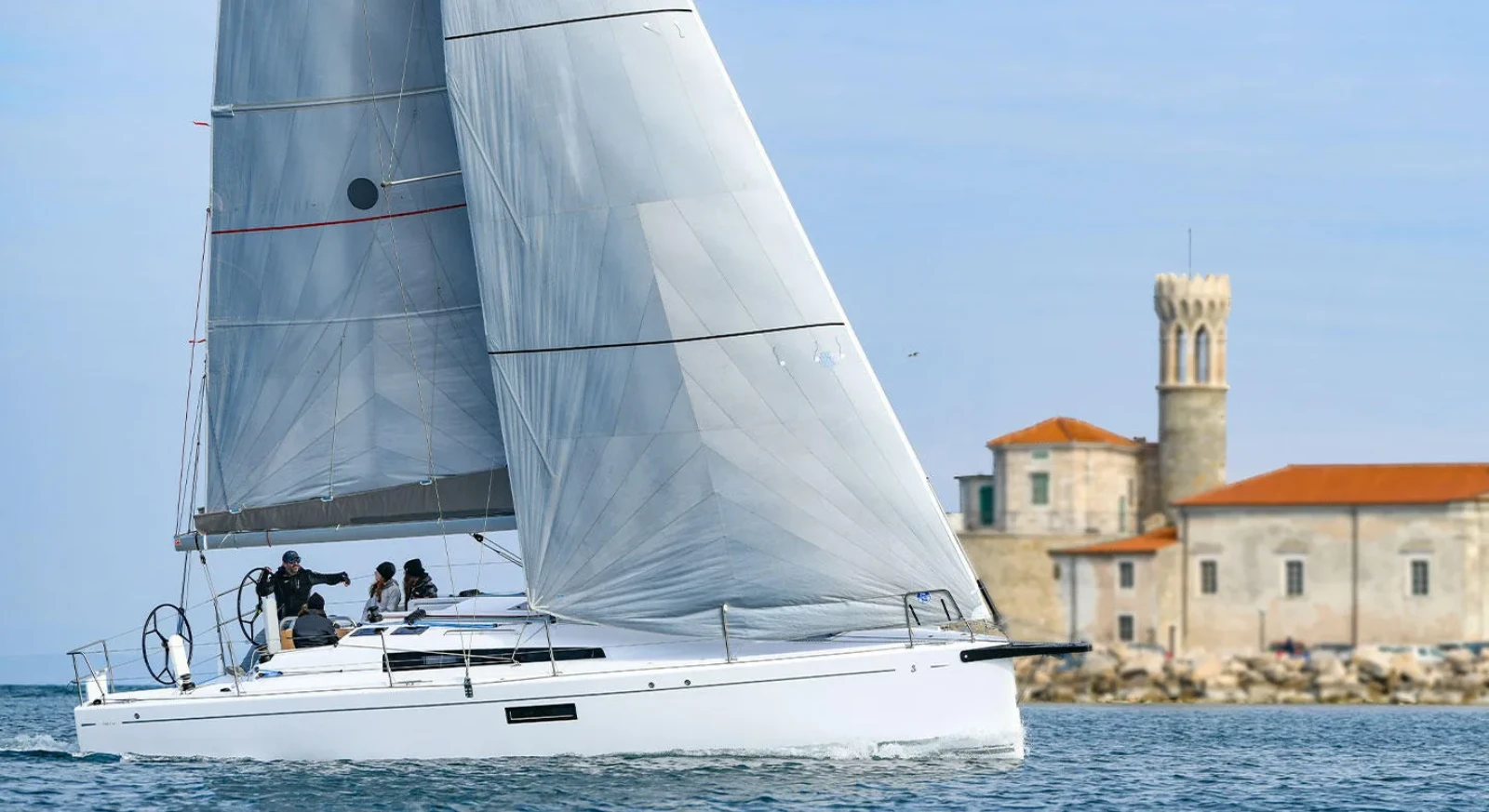
Now flip to the boat most charter guests actually book: a four- or five-cabin sailing catamaran, bareboat, three or four years old. Here the famous gap narrows. A late-model Lagoon 46 or Bali 4.6 in peak August out of Fethiye might list a little under its Croatian twin out of Split or Trogir, but the difference is frequently 10–20%, not 50%.
Why? Because these are global production boats financed in euros, and charter operators everywhere price them against the same fleet-value maths. The Turkish base saves on local labour and some berthing, but the asset itself costs the same to buy and insure. When you compare equivalent late-model catamarans, the headline saving fades to a modest, real-but-not-life-changing discount.
Read the inclusions before you celebrate
A cheaper-looking Turkish quote sometimes excludes things a Croatian one folds in, or vice versa — transit log, mandatory skipper on certain boats, end cleaning. Compare the all-in figure, not the base rate. Our breakdown of how charter pricing works, base rate to extras is the tool for that, and it’s where a lot of phantom savings disappear.
The like-for-like table, roughly
Marketplace ranges shift week to week, but here’s the shape of it for a peak-summer week, all-in and approximate:
- Crewed gulet (4–6 cabins, full board): Türkiye ~€18,000–22,000; Croatia ~€30,000+. Gap: very large.
- Bareboat sailing catamaran (~46ft, late model): Türkiye ~€9,000–12,000; Croatia ~€10,000–14,000. Gap: modest.
- Bareboat monohull (~45ft): Türkiye ~€4,500–7,000; Croatia ~€5,500–8,500. Gap: small-to-moderate.
- Skipper (per day, optional): Türkiye ~€160–200; Croatia ~€180–220. Gap: small.
We line the three big Med destinations up directly in our Türkiye vs Greece vs Croatia charter comparison by the numbers, which is the companion piece if you’re choosing between coasts rather than just checking the myth.
The costs the headline rate doesn’t show
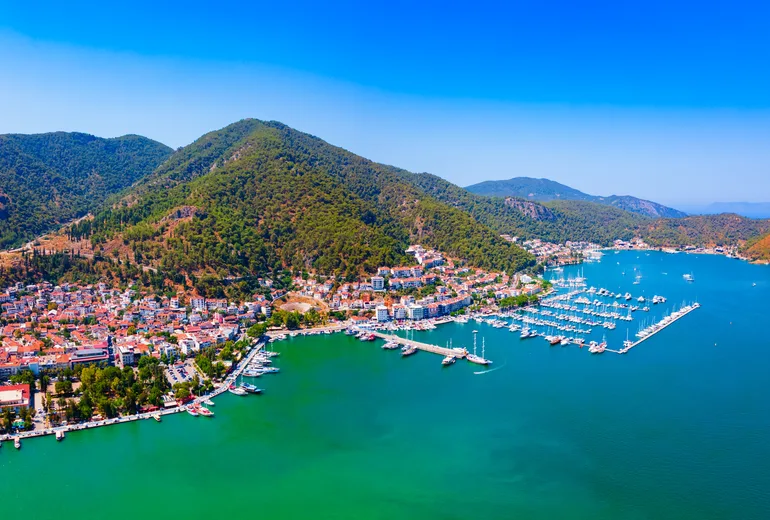
Charter fee is one column. Getting there and provisioning is another, and it’s where Türkiye quietly claws some of its advantage back — or loses it, depending on where you live.
Flights from much of Western Europe to Dalmatia are short and cheap in season; Dalaman and Bodrum are a touch further and pricier from some hubs. Once aboard, though, Türkiye pulls ahead again: provisioning, restaurant meals at the famous waterfront tavernas of Kaş or Bozburun, and fuel are noticeably gentler on the wallet than Croatia’s increasingly pricey islands. A grilled-fish dinner ashore that runs €40 a head in Hvar might be €20–25 in a Gökova bay restaurant.
Most crews find the on-the-water spend in Türkiye — food, drinks, mooring at restaurant pontoons — is where the trip feels genuinely cheaper day to day, more than the charter quote alone suggests.
Season swings the gap as much as the boat does
One factor people forget when asking whether Türkiye is cheaper: when you go matters as much as what you book. Türkiye’s season runs long — April into late October — and the shoulder months are where its value really shines. A late-September week, when the Aegean is still 24°C and the meltemi has eased, can cost 30–40% less than peak August for the same boat, and the gulets in particular drop sharply once the school-holiday crush passes.
Croatia’s season is shorter and its peak more concentrated; prices stay stubbornly high from late June through August because demand from Central Europe is relentless. So the “is it cheaper” answer partly depends on timing. Book both destinations in mid-August and the gulet gap dominates but the catamaran gap narrows. Book both in May or late September and Türkiye’s overall value advantage widens, because its shoulder discounts run deeper. If you have any flexibility on dates, that flexibility is worth real money — a point we make repeatedly in our look at how the wider region prices itself.
The Greek wildcard
Greece sits in the middle on price and complicates the simple Türkiye-vs-Croatia story. Bareboat rates in the Ionian or Dodecanese often undercut Croatia and sit close to Türkiye, while crewed options can’t match Turkish gulet value. If your real question is “where do I get the most boat for my money in the Eastern Med,” the honest shortlist is Türkiye for crewed and value, Greece for bareboat island-hopping, Croatia for density and convenience — which is exactly the trade-off our Greece sailing guide for 2026 digs into.
What a week actually feels like, coast by coast
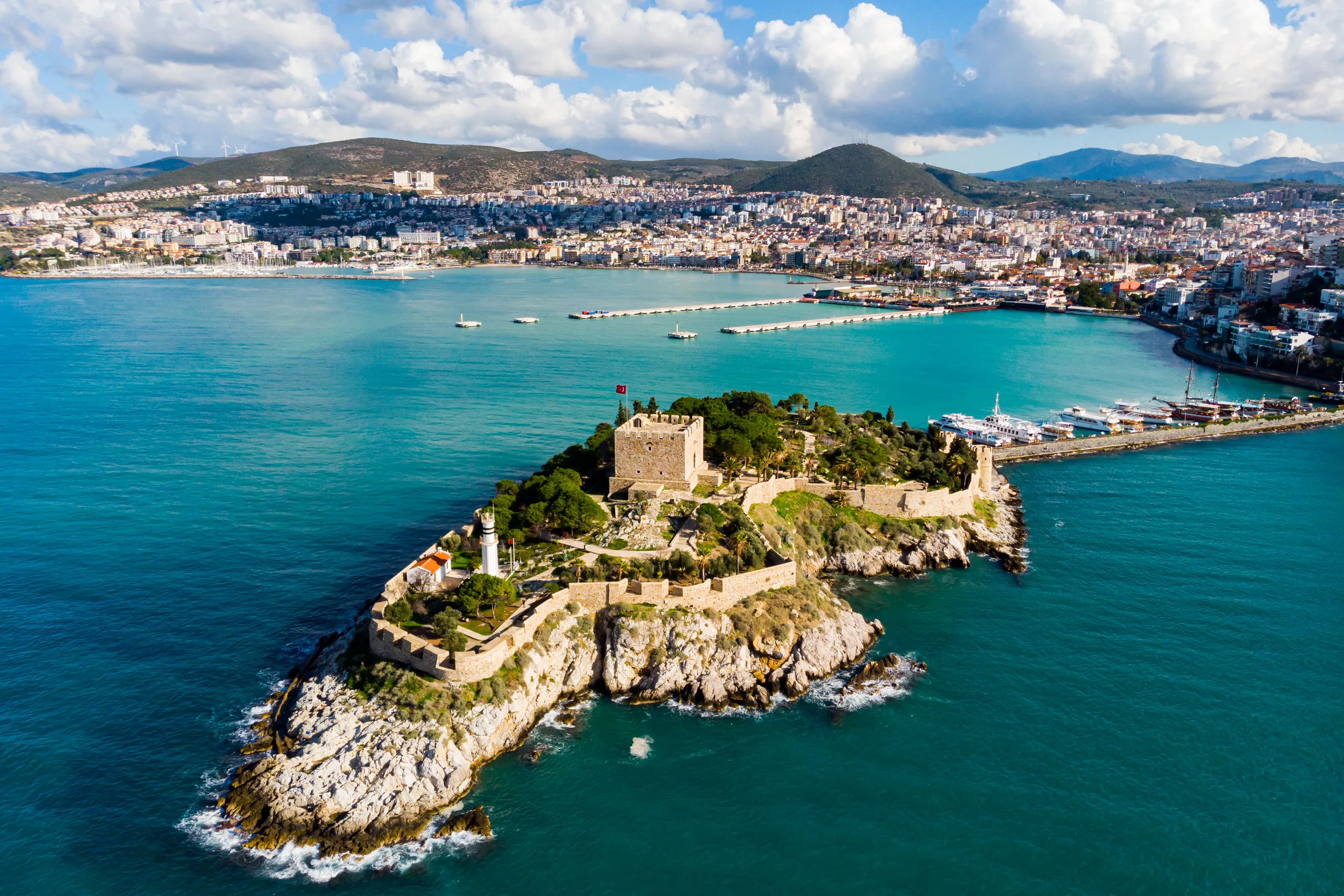
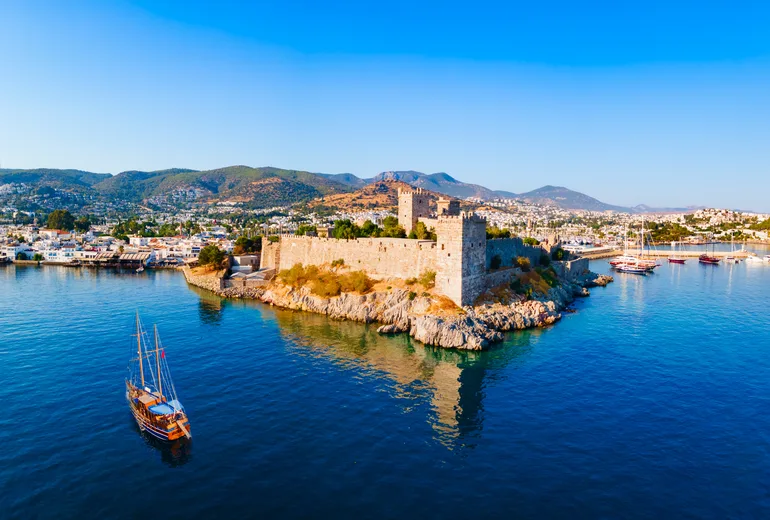
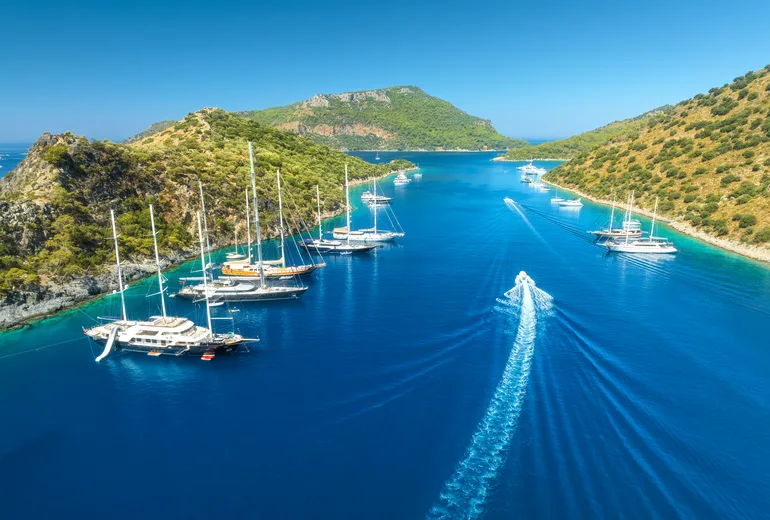
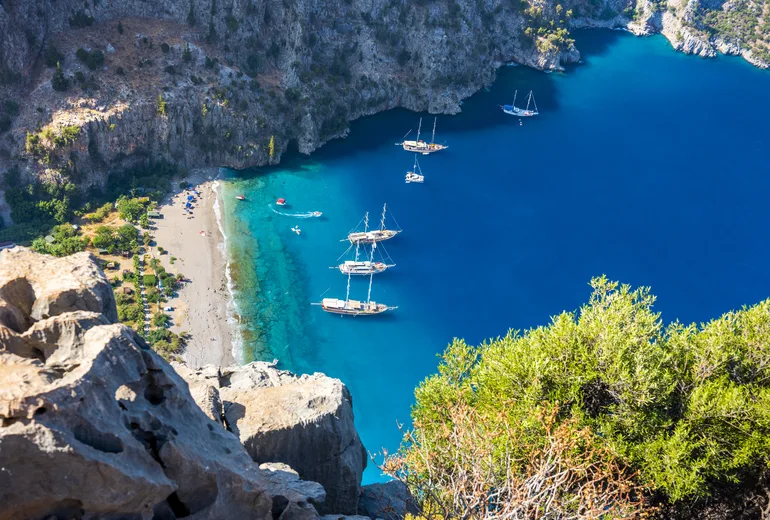
Numbers only tell half the story. The other half is what your days look like, and that’s where the value question gets personal. A Turkish week out of Fethiye or Göcek is a string of sheltered anchorages: morning swim off the boat in Wall Bay, a lazy motor-sail to Tomb Bay under the Lycian rock tombs, dinner tied stern-to at a restaurant pontoon in Kapı Creek where the owner rows out to take your lines. Marinas barely feature. The pace is slow and the spend is low.
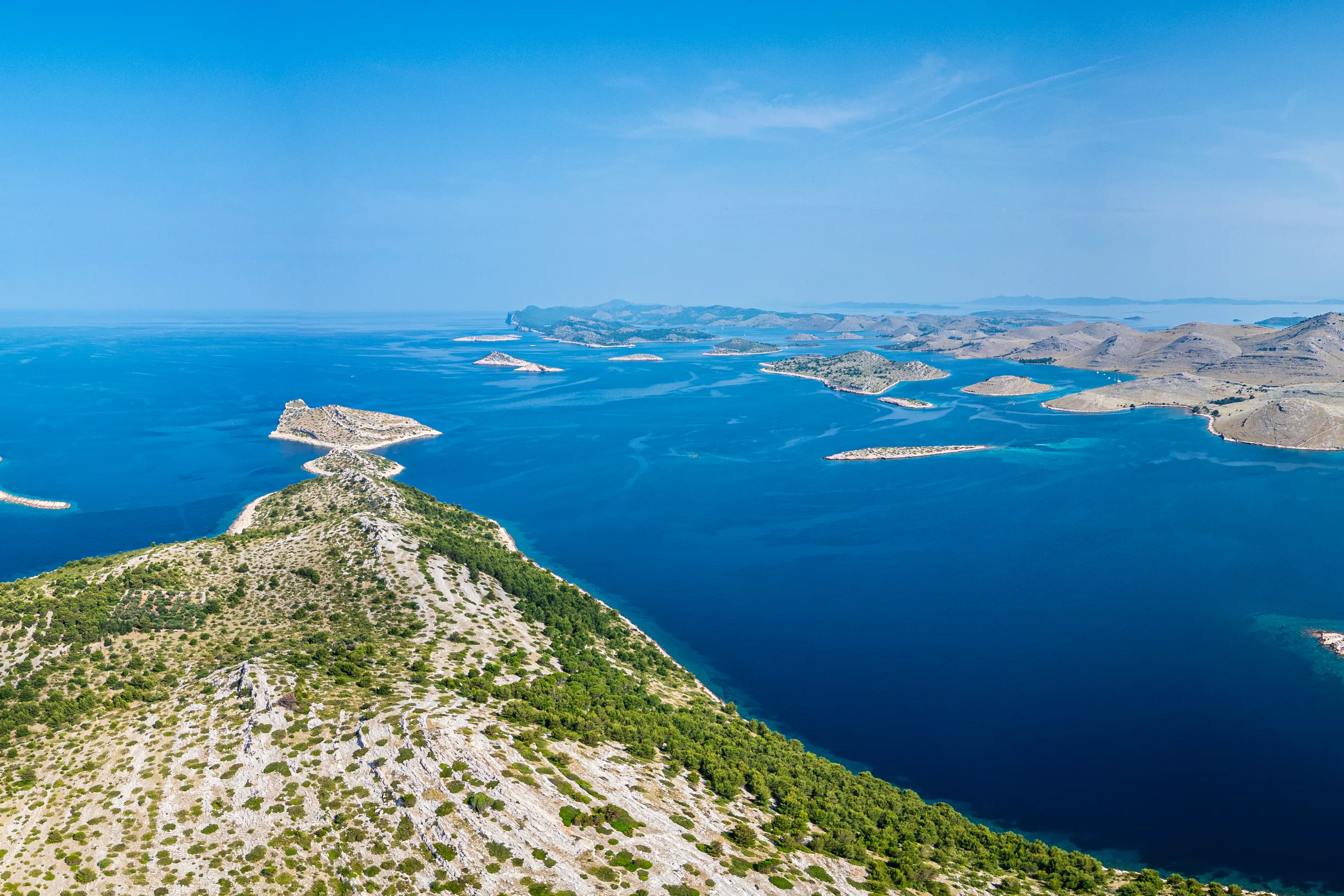
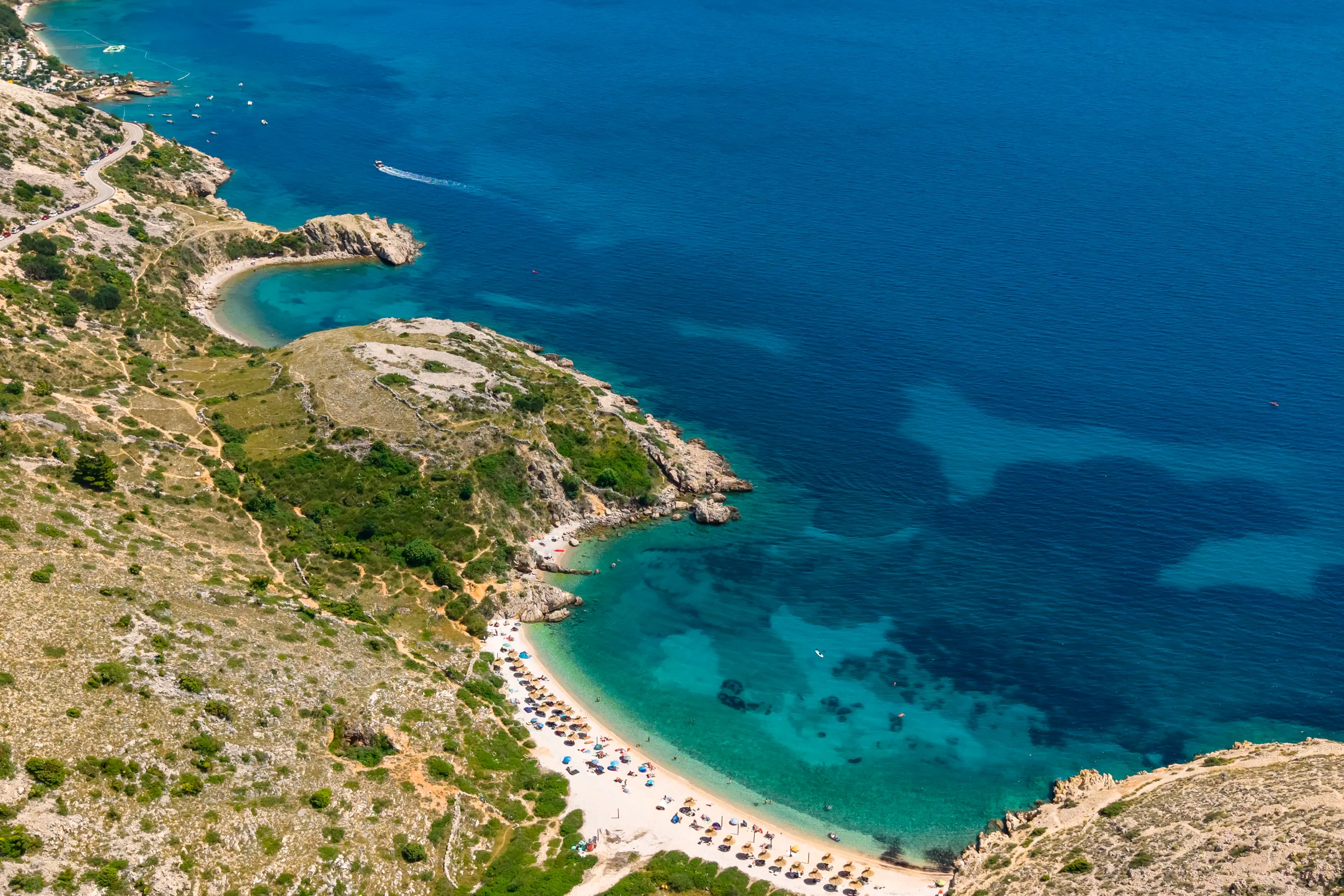
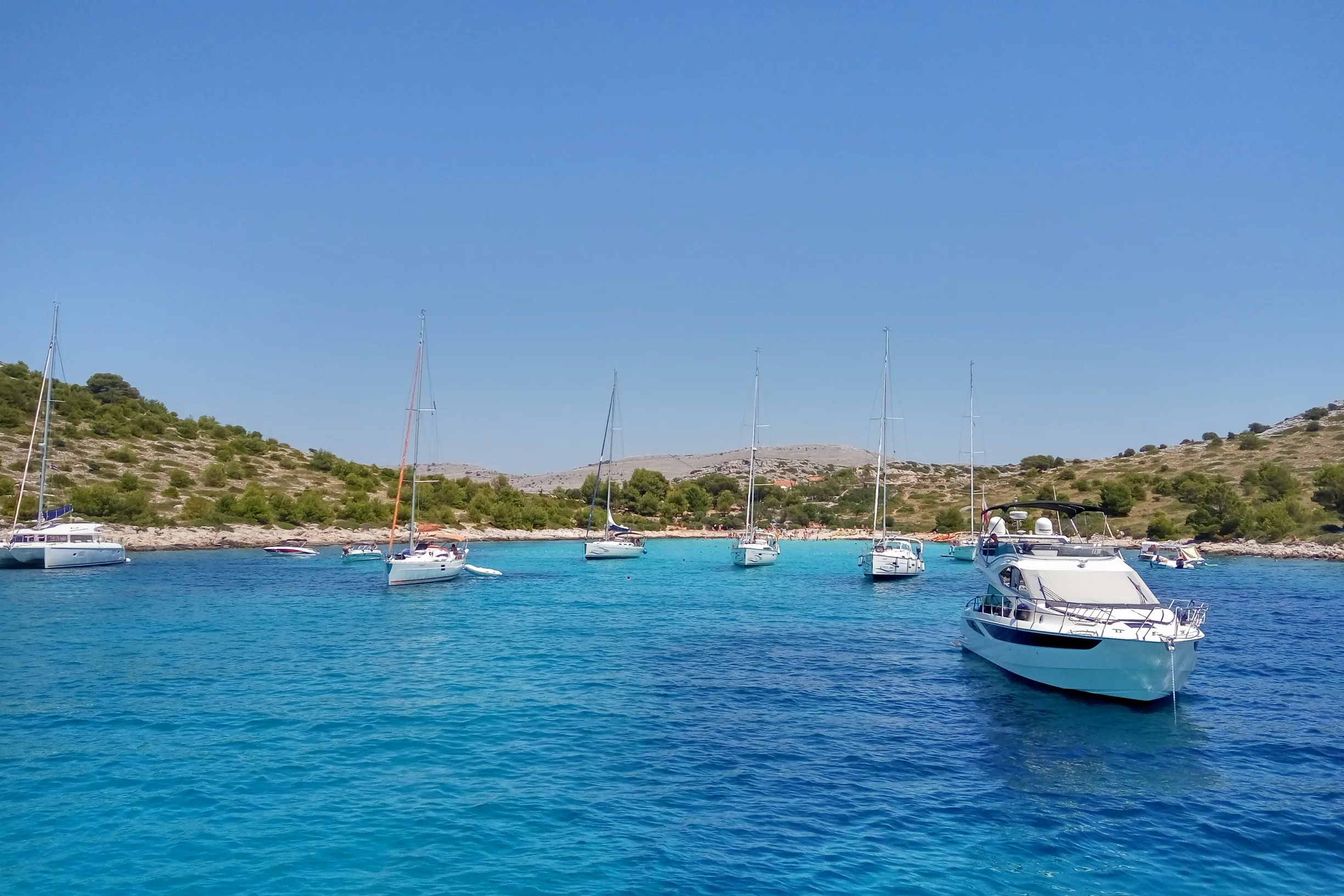
A Croatian week out of Split or Trogir is busier and more varied: a morning sail to Hvar for the nightlife and the Pakleni islands, a lunch stop in a Vis cove, a town-quay evening in Korčula with its medieval streets. You’ll use marinas and busy town quays more, eat in pricier restaurants, and cover more distinct places. It’s a richer cultural week and it costs more for the privilege.
Neither is the “right” answer — they’re answering different questions. But it explains why the price gap exists beyond simple economics: you’re partly paying Croatia for variety and infrastructure, and partly saving in Türkiye by spending your week at anchor.
What you trade for the lower price
Cheaper isn’t automatically better, and being straight about the trade-offs matters. Türkiye’s charter coast is glorious but linear — you sail a magnificent stretch from Bodrum down past Göcek to Kaş, mostly at anchor in sheltered bays. It’s less about island-hopping between distinct cultures and more about coves, pine forest and the odd Lycian ruin.
Croatia gives you a denser scatter of inhabited islands, more towns to walk into for dinner, and shorter hops. Greece sits between the two on price and offers the Cyclades’ open-water sailing or the gentle Ionian. None is wrong; they’re different holidays. If your crew wants buzzing harbour towns every night, Croatia earns its premium. If they want quiet anchorages, swimming and value, Türkiye is hard to beat.
Licensing and crossings
One practical note: bareboat charter in Türkiye requires a recognised sailing licence and usually a second competent crew member, same as the Med generally. If you plan to hop across to nearby Greek islands like Symi or Kos, factor in clearing customs both ways — it’s doable but eats a day. Our wider take on paperwork lives in the 2026 sailing licence guide.
So, is Türkiye really 30–50% cheaper?
For a crewed gulet, yes — comfortably, and that single comparison is what built the reputation. For a modern bareboat catamaran, no: expect a real but modest saving once you compare equivalent boats all-in. Across the whole trip — charter, food, fuel, eating out — Türkiye does land meaningfully cheaper than Croatia for most crews, just not by the eye-catching half-price figure people quote.
The smart move is to decide what you’re actually booking. If a crewed week with someone else cooking appeals, Türkiye’s gulet value is in a league of its own. If you want a self-skippered catamaran, run the all-in numbers side by side rather than trusting the headline. For the full coast and base rundown, our Türkiye sailing guide for 2026 covers Bodrum, Göcek and the Turquoise Coast in detail.
Frequently Asked Questions
Is a yacht charter in Türkiye really cheaper than Croatia?
For crewed gulets, yes — often by a third or more, since Türkiye builds and crews them locally. For modern bareboat catamarans the gap is usually 10–20% once you compare equivalent boats all-in. Across the whole trip, food and fuel in Türkiye add to the saving, but the dramatic “half price” figure mostly applies to gulets.
Why is a Turkish gulet so much cheaper than a crewed boat in Croatia?
Gulets are a Turkish speciality — built domestically, crewed by local captains and cooks, and sailed in sheltered bays where days at anchor keep berthing costs low. Croatia has fewer gulets, higher labour and marina costs, so the equivalent crewed experience runs well over €30,000 in peak season versus roughly €18,000–22,000 in Türkiye.
Do I need a licence to charter a bareboat in Türkiye?
Yes. Bareboat charter requires a recognised sailing certificate and usually a second competent crew member listed, much as in the rest of the Mediterranean. If you don’t hold one, hiring a skipper for around €160–200 a day is the straightforward route.
Is provisioning and eating out cheaper in Türkiye?
Generally yes. Groceries, fuel and restaurant meals tend to cost noticeably less than on Croatia’s busier islands — a waterfront fish dinner that’s €40 a head in Hvar can be €20–25 in a Gökova bay. That day-to-day saving often outweighs slightly pricier flights to Dalaman or Bodrum.
Which coast is better for island-hopping?
Croatia, by design. Its dense scatter of inhabited islands means shorter hops and a different town for dinner most nights. Türkiye’s charter coast is more linear and anchorage-focused — superb for swimming and quiet bays, less so if your crew wants a buzzing harbour town every evening.
Want to put real prices against the myth? Compare live charter offers across Türkiye, Croatia and Greece on Boat4You and run the all-in numbers for the boat you actually have in mind.
Explore boats
Boats you can charter in the places this article covers.
Ideas for your next sailing vacation
Boat rental & yacht charter around the world at the best prices