Winter Sun Afloat: A Med Sailor’s Guide to a First Caribbean Charter

You’ve sailed the Med for years. Then someone suggests a winter charter in the Caribbean and you realise you don’t actually know how different it’ll be. The good news: a Mediterranean sailor adapts to a first Caribbean charter from Mediterranean habits faster than you’d think. The trade winds do most of the work, the anchorages are forgiving, and the rhythm is gentler than a high-summer week in the Cyclades.
But a few things genuinely flip. Med-mooring gives way to picking up a mooring ball; obsessive hourly forecasts give way to a steady trade-wind groove; and what counts as a “comparable week” costs differently between the two hemispheres. Here’s the translation layer.
Mooring balls instead of med-mooring
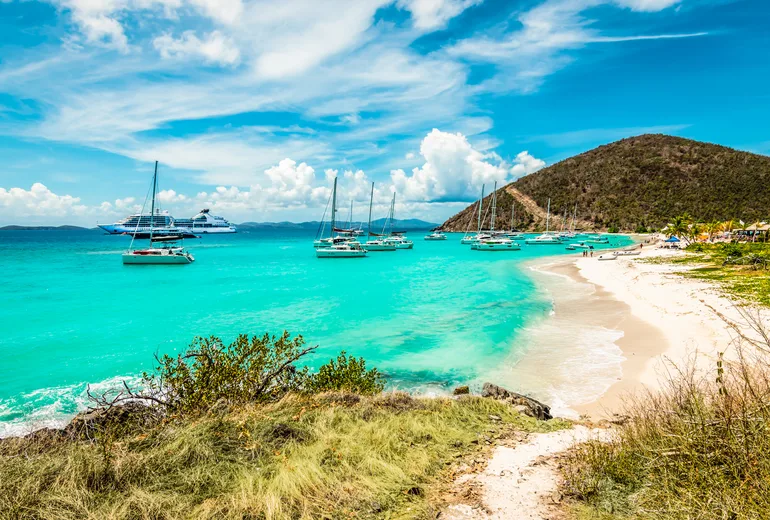
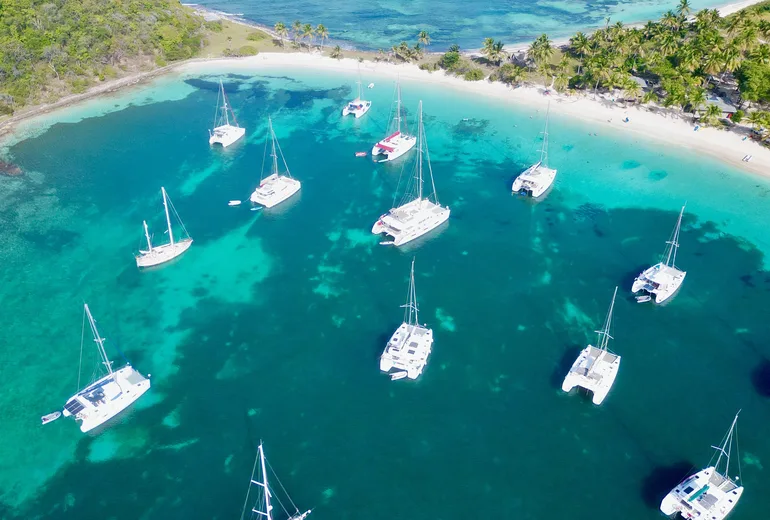
This is the change Med sailors notice first and love most. Forget the stern-to ballet — reversing onto a quay, dropping the anchor, fending off neighbours, wrestling lazy lines. In most of the Caribbean charter grounds, you pick up a mooring ball: motor up slowly into the wind, snag the pennant with a boat hook, make it off, done. Cane Garden Bay on Tortola, the Bight at Norman Island, the Tobago Cays — all set up for ball moorings.
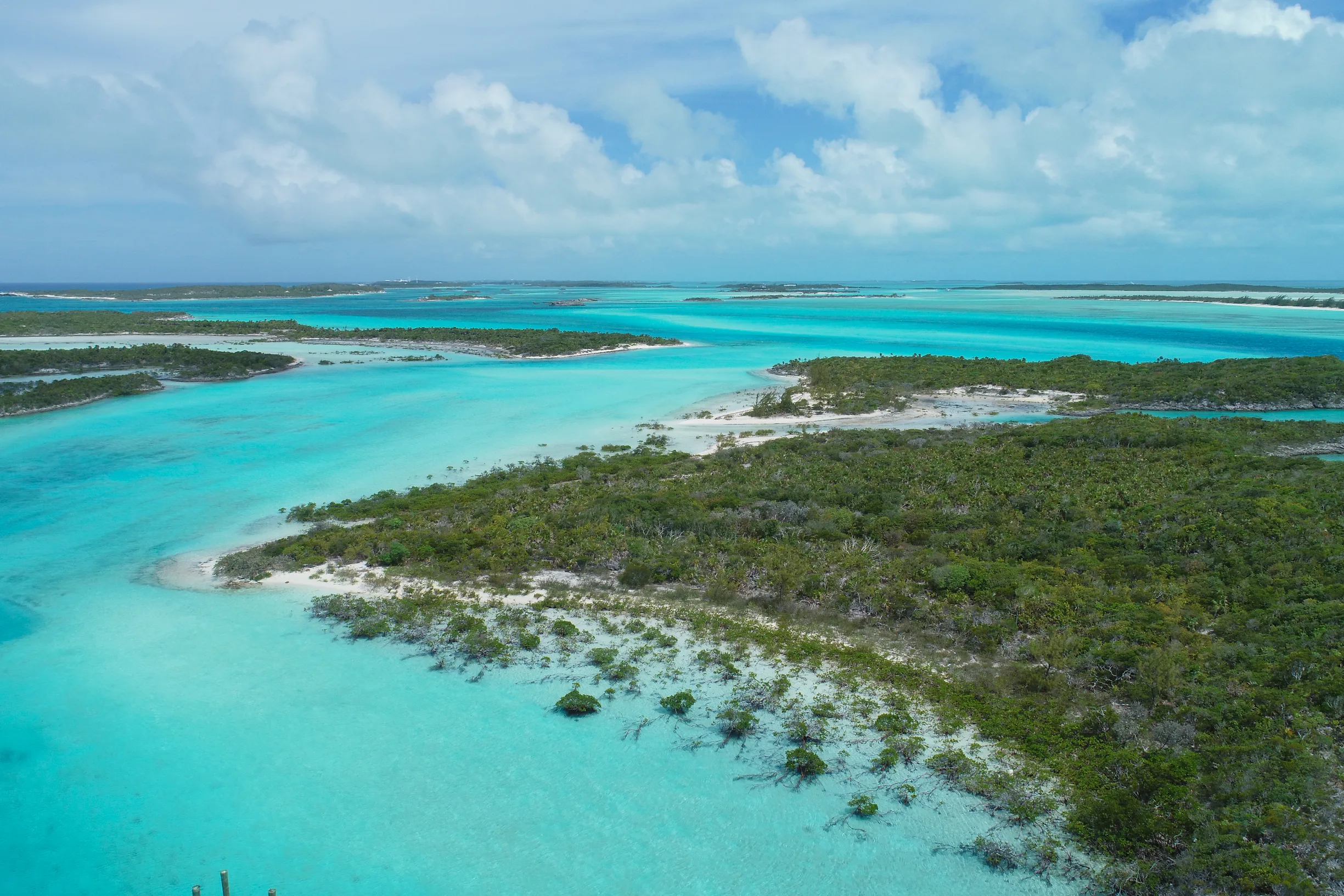
You’ll still anchor plenty, especially in the Grenadines, but it’s bow-anchoring in sand with room to swing, not the high-stress side-to of a packed Croatian town quay. A boat boy may motor out to help you tie up or sell you ice and fish; tipping a couple of dollars is normal and welcome. After years of med-mooring under the gaze of a full waterfront café, the relief is real.
What that means for your day
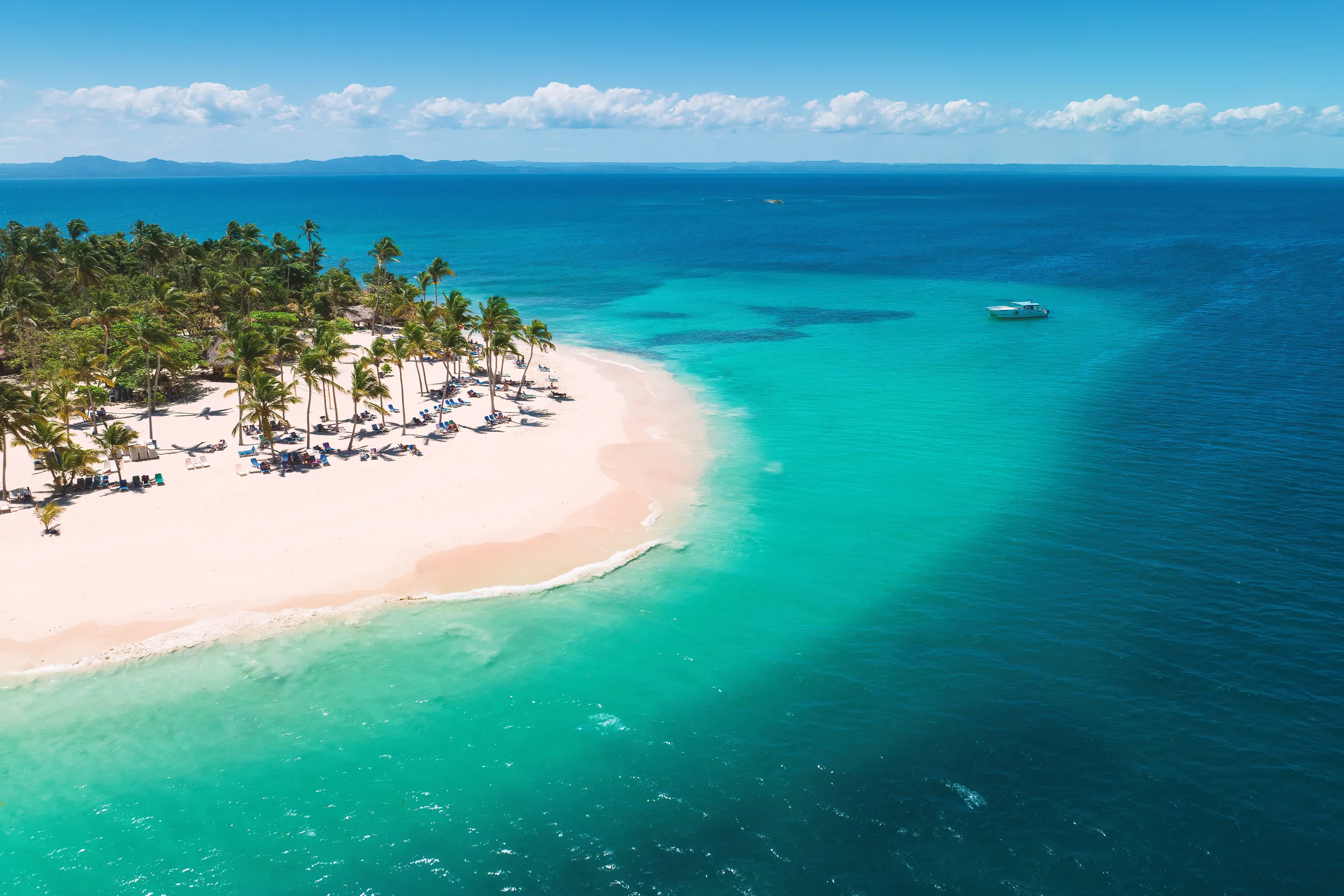
Easier mooring reshapes the trip. You stop earlier, swim more, and stress less about the evening berth scramble. There’s no need to race to a marina by 4pm to grab the last spot — the bay has balls, or it has swinging room. The whole tempo slows, which is rather the point in winter.
Trade winds instead of forecasts-by-the-hour
Mediterranean sailing trains you to watch the forecast like a hawk — the meltemi building in the Aegean, the bora screaming down the Croatian coast, the afternoon thermal that fills and dies. The Caribbean is different. From December to April the trade winds blow with remarkable consistency: 15–25 knots from the east, day after day, with the odd squall rolling through.
That steadiness changes how you plan. You’re not timing departures around a fickle sea breeze; you’re working with a dependable easterly. Most routes are built so you beam-reach or broad-reach between islands — fast, comfortable points of sail — rather than beating to windward. The classic British Virgin Islands loop, for instance, is designed so you ride the trades down and work back gently. Our comparison of BVI, the Grenadines and Antigua winter routes and costs lays out which grounds suit which kind of crew.
Most Med sailors find the trades a revelation: reliable wind, warm water, and channels short enough that a “passage” is a couple of hours, not a dawn start and a long slog.
Squalls and swell, the two things to respect
Two Caribbean features deserve attention. Squalls arrive fast — a dark cloud, a sharp gust to 30 knots, ten minutes of rain, then sunshine. Reef early and they’re a non-event. And the open Atlantic channels between islands carry more swell than the Med’s sheltered waters; the Anegada Passage or the gaps between the Grenadines can be lumpy. Neither is dangerous with sensible timing, but they’re different from a flat Adriatic morning.
Sailing resumes instead of licences
Here’s a paperwork quirk that catches Med sailors out, pleasantly. Much of the Caribbean — the BVI especially — doesn’t demand a formal sailing licence the way Croatia, Greece or Italy do. Instead, charter companies ask for a sailing resume: a written summary of your experience, the boats you’ve handled and the conditions you’ve sailed in. They assess competence rather than a certificate.
That can free up Med sailors who learned by doing rather than by sitting an exam, while still expecting real ability. If your experience is genuine, write it up honestly and you’ll be fine. If it’s thin, a skipper for the first day or the whole week is easy to arrange. We unpack the whole topic in our piece on chartering in the Caribbean on a sailing resume rather than a licence, which is essential reading before you book.
What a comparable week costs, Med vs Caribbean
The budget shape shifts between hemispheres, and it’s not a straight swap. The boat itself is often similar or slightly higher in the Caribbean for a peak-winter week — a late-model 45-foot catamaran might run €10,000–14,000 over the December-to-April high season, broadly in line with a Med peak-summer week, sometimes a touch more around Christmas and New Year.
Where it diverges is everything around the boat. Flights from Europe to the Caribbean are long and pricier than a hop to Split. Provisioning costs more on small islands where much is imported — budget generously for groceries. But mooring fees are modest (a ball is often $30–40 a night versus a pricey Med marina), and you’ll spend far less time, and money, in marinas because you’re swinging in bays. Eating ashore ranges from cheap beach-shack lobster in the Grenadines to expensive in the chic BVI spots.
Net of it all, a Caribbean winter week often lands a little above a Med summer one once flights are in — but you’re buying near-certain sun and warm water in February, which the Med simply can’t offer. For how the two seasons sit on the calendar, our best time to sail the Mediterranean guide is a useful contrast.
Where to point the bow on a first Caribbean week
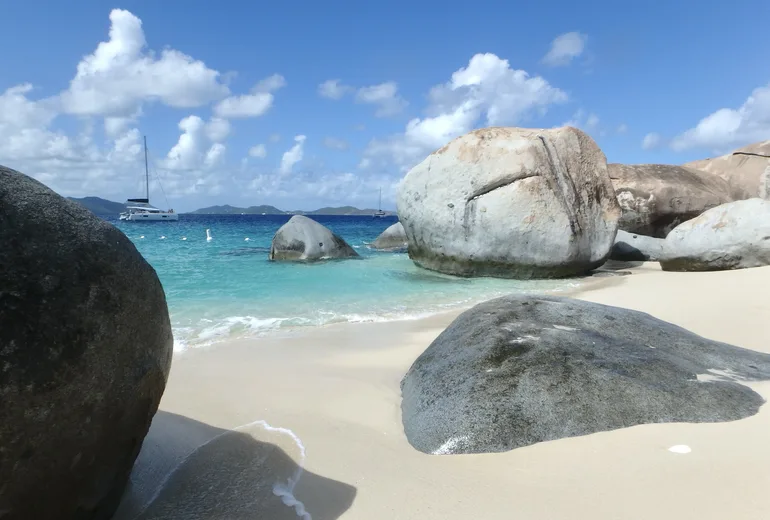
For a Med sailor’s debut, the British Virgin Islands are the gentle on-ramp: short hops, mooring balls everywhere, calm Sir Francis Drake Channel down the middle, and landmarks like The Baths on Virgin Gorda and the beach bars of Jost Van Dyke within an easy day’s sail. It’s the Caribbean with training wheels, in the best sense.
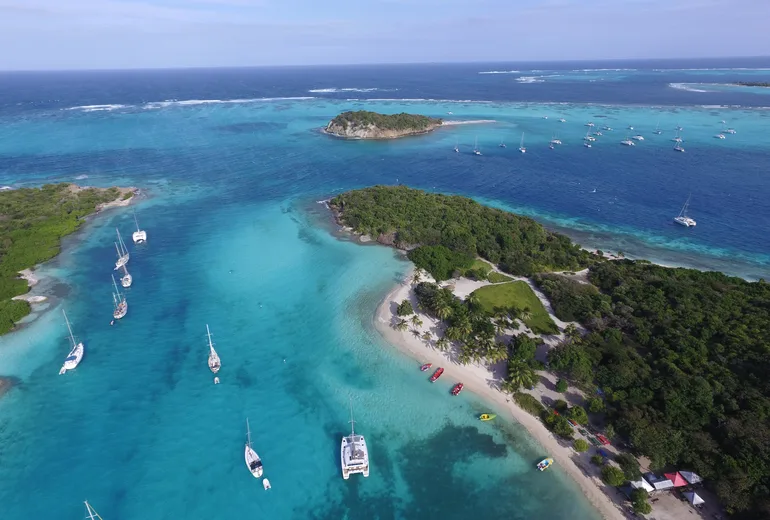
Crews wanting more sailing and fewer crowds head to the Grenadines — Tobago Cays, Mayreau’s Salt Whistle Bay, the Saintes off Guadeloupe — where the anchorages are wilder and the passages a bit longer. Antigua suits those who like a sailing challenge and a strong harbour scene around English Harbour. If you’re choosing between bareboat and a crewed boat for that first trip, the bareboat vs crewed Caribbean catamaran comparison on our Caribbean site weighs it up properly.
The boat and gear: more catamaran, more self-sufficiency
Med sailors will notice the Caribbean fleet skews heavily toward catamarans, and for good reason. Shallow reef-fringed anchorages, the appeal of a big shaded cockpit in the heat, and the easy access of a sugar-scoop transom for swimming all suit a cat. If you’ve only chartered monohulls, expect a gentler motion at anchor and far more living space — though docking a wide cat takes a little adjustment.
Self-sufficiency matters more than in the Med, too. Distances to provisioning are longer, marinas are scarcer, and you’ll lean on the boat’s systems. A watermaker, solar, and a generator become genuinely useful rather than luxuries, because topping up water and power isn’t a quick marina stop the way it is in Croatia. Check what your boat carries and learn to run it on day one. The flip side: with those systems aboard, you can stay out in the bays for days without needing shore at all, which is exactly the appeal.
Provisioning and the practical logistics
This is where a little planning pays off most. Stock up properly at the start — at the big supermarkets near the BVI base on Tortola, or in Le Marin on Martinique for the Grenadines run — because island shops are small, pricier and patchy on fresh produce. Build a provisioning list that leans on what’s reliably good locally: fresh fish and lobster from boat boys in the Grenadines, rum that costs a fraction of European prices, local fruit and Caribbean staples.
Ice is its own small ritual — boat boys and beach bars sell it, and you’ll want it daily in the heat for the fridge and the rum punch. Cash in small US-dollar bills smooths everything from mooring fees to boat-boy services to beach-shack lunches; cards aren’t universal in the smaller spots. None of this is hard, but it’s a different rhythm from popping into a Croatian town for a restaurant dinner every night. The same provisioning discipline that serves you well in remote Med anchorages applies double here — our practical galley and provisioning guide transfers neatly to a Caribbean trip.
Five habits to unlearn from the Med
To close the translation, here’s what to consciously drop:
- The marina reflex. You rarely need one. Bays and balls are the norm; plan to swing, not berth.
- Hourly forecast anxiety. The trades are steady. Watch for squalls, then relax.
- The licence mindset. Competence and a good resume matter more than a certificate in much of the region.
- Late afternoon sailing. Squalls and fading light make a noon arrival in your bay the sensible Caribbean rhythm.
- Overpacking the itinerary. Distances are short and the point is to slow down. Three or four anchorages in a week beats a forced march.
Frequently Asked Questions
What’s the biggest difference between Caribbean and Mediterranean chartering?
Mooring and wind. The Caribbean uses mooring balls and bow-anchoring in roomy bays instead of the Med’s stern-to med-mooring, and it offers steady 15–25 knot trade winds from December to April rather than the Med’s variable, forecast-dependent breezes. The overall tempo is slower and more anchorage-focused.
Do I need a sailing licence to charter in the Caribbean?
Often no — much of the region, the British Virgin Islands especially, accepts a written sailing resume detailing your experience rather than a formal certificate. They assess real competence, so write your resume honestly. If your experience is limited, hiring a skipper for part or all of the week is straightforward.
Is a Caribbean charter more expensive than the Mediterranean?
The boat is often similar or slightly higher for a peak-winter week, but flights from Europe and island provisioning cost more, while mooring fees are low because you swing in bays rather than pay for marinas. Net, a Caribbean winter week usually lands a little above a Med summer one — the trade-off being dependable February sun and warm water.
When is the best time for a first Caribbean charter?
December to April is the dry, breezy high season with the most reliable trade winds and the lowest chance of rough weather. Christmas and New Year are the busiest and priciest; January to March offers the same conditions with a little more breathing room and slightly better value.
Where should a first-timer from the Med start?
The British Virgin Islands are the easiest entry: short hops, mooring balls everywhere, the sheltered Sir Francis Drake Channel and famous spots like The Baths and Jost Van Dyke within easy reach. Crews wanting wilder anchorages and more sailing can graduate to the Grenadines or Antigua.
Tempted to swap a grey February for the trades? Explore winter charter availability across the Caribbean on Boat4You and start planning your first crossing of hemispheres.
Explore boats
Boats you can charter in the places this article covers.
Sail it yourself — suggested itineraries
View all British Virgin Islands itineraries →

Ideas for your next sailing vacation
Boat rental & yacht charter around the world at the best prices