Hvar Sailing Area Guide: Anchorages, Marinas, Pakleni & Restaurants
Updated May 2026.
Hvar is the most chartered island in Croatia and the busiest single anchorage on the Adriatic. The town’s deep blue harbour, the Pakleni archipelago just offshore, and the long stretch of north-shore villages make Hvar a multi-day stop on almost every Croatian charter. This guide covers the actual mooring options, the Pakleni bay-by-bay, and the restaurant moorings worth the table reservation.
The four faces of Hvar
Hvar Town is the main draw — Renaissance architecture, narrow stone streets, the loudest nightlife in central Dalmatia. The town quay is overrun in season; the practical mooring is at ACI Palmižana on Sveti Klement, 1.5 NM offshore in the Pakleni archipelago, with a tender ride or shuttle into town.
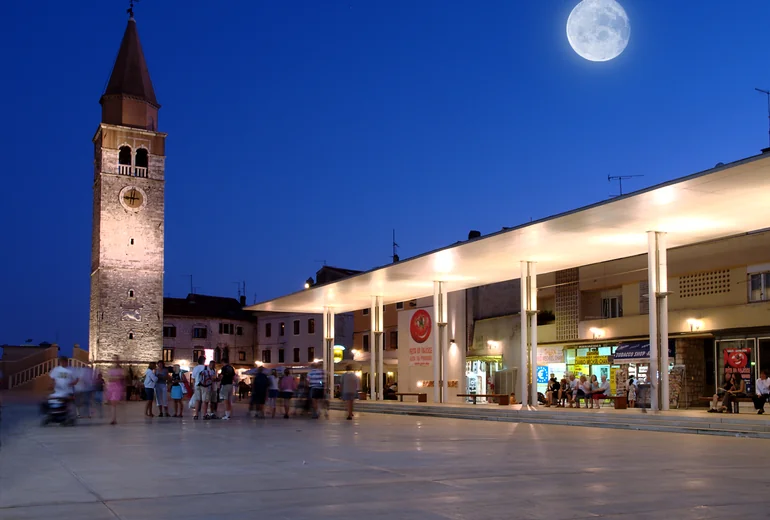
Stari Grad, on Hvar’s north coast, is the calmer alternative. The bay is deeper, the town quieter, and the konobe (Apolon, Antika, Kod Damira) are arguably better. Most repeat charterers prefer Stari Grad to Hvar Town.
Vrboska, between Stari Grad and Jelsa, is a tiny canal-village often called “Little Venice.” The harbour is narrow, the mooring is stern-to against a stone quay, and the village has two excellent konobe.
Jelsa, on the eastern end of the island’s north coast, is a working harbour with reliable mooring and almost no charter-tourist crowd. Good for the second Hvar night.
The Pakleni archipelago, bay-by-bay
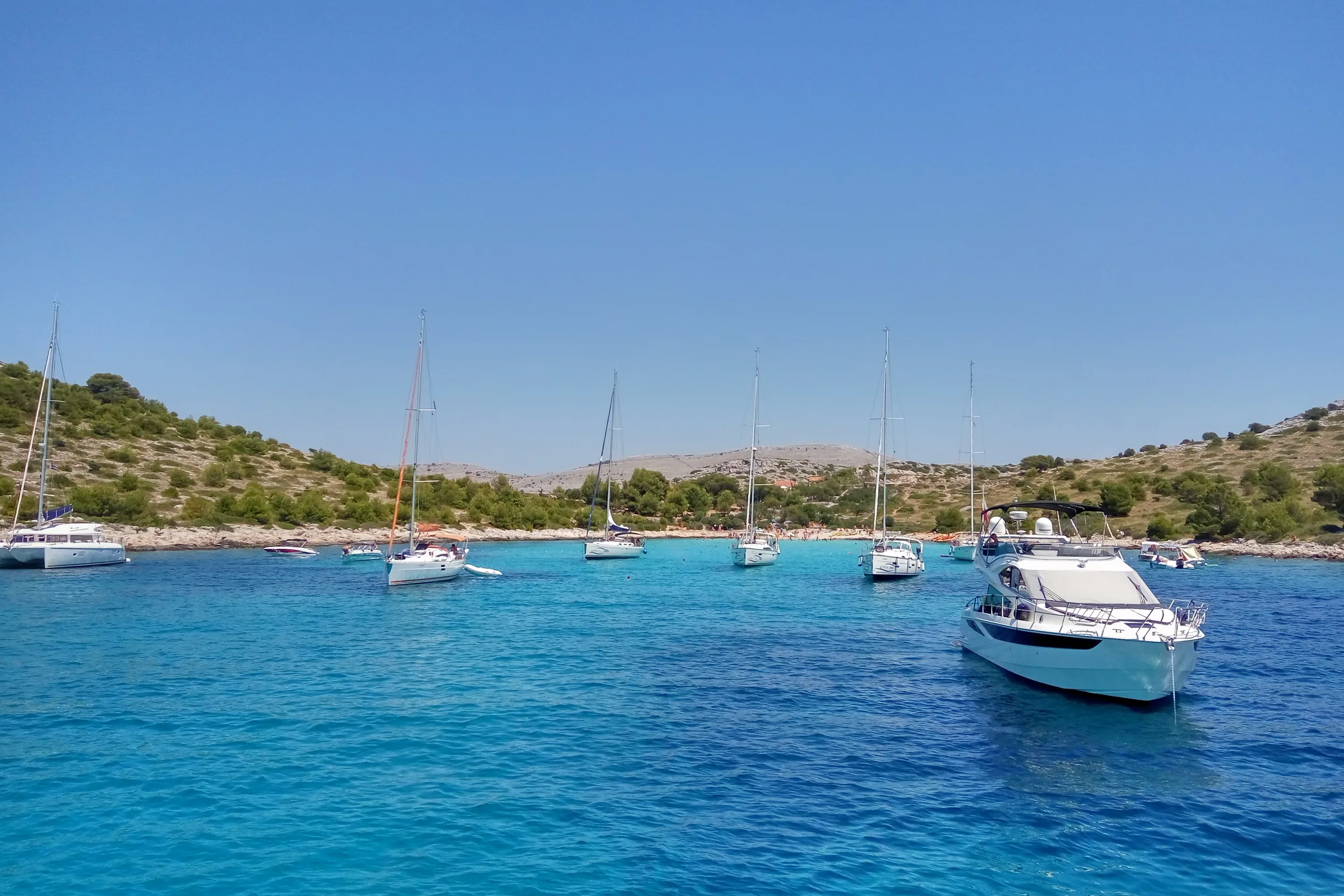
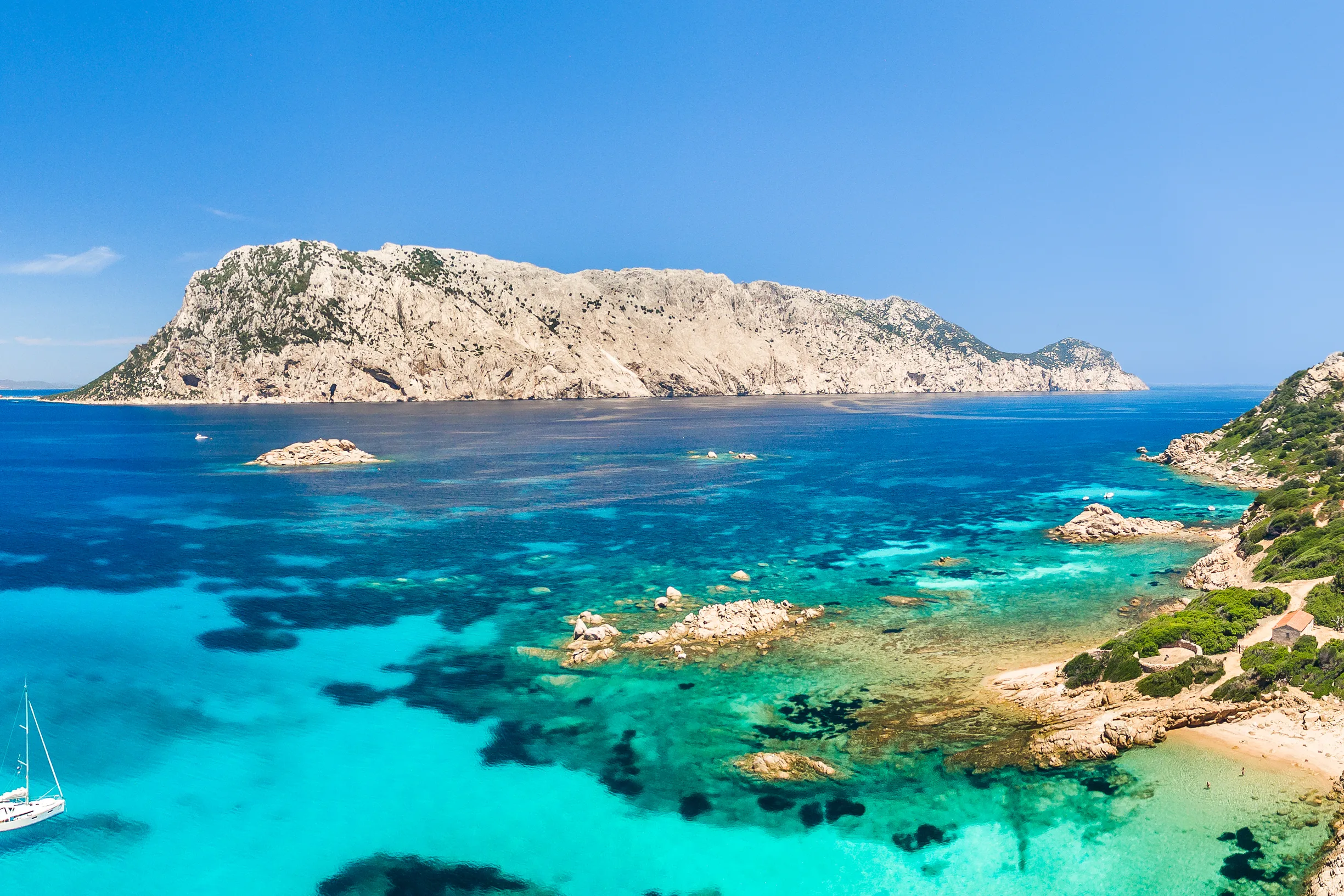
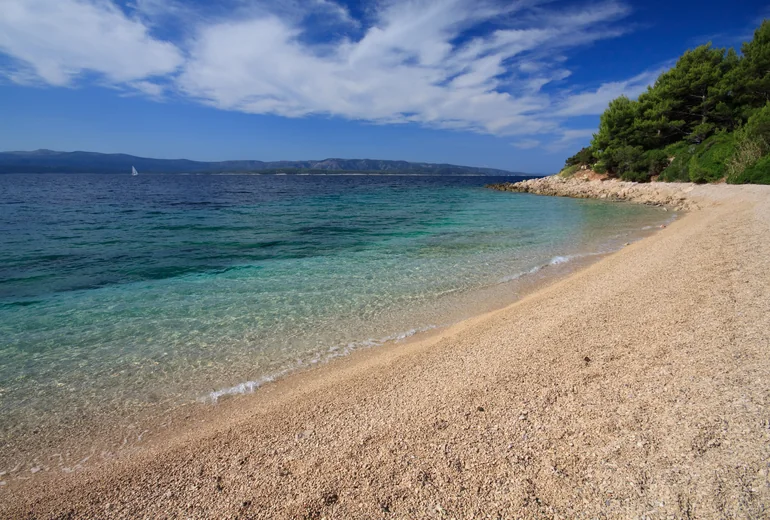
The Pakleni Islands sit just south of Hvar Town and form the de facto offshore anchorage zone. The largest island is Sveti Klement, with three named bays:
Palmižana on the northeast side has ACI Palmižana — a small, well-run marina with stern-to berths, water and electricity, and a shuttle to Hvar Town. The standard mooring choice for charter weeks. Book in advance.
Vinogradišće, 500 metres west of Palmižana, is the most photographed anchorage on the island — restaurant Toto’s owns the buoy field, free if you eat ashore. Reservations essential in season.
Tarsce on the south side is quieter, with a narrow bay and 6–8 metres of sand-bottom anchoring. The walking trail across the island connects Tarsce to Palmižana in 25 minutes.

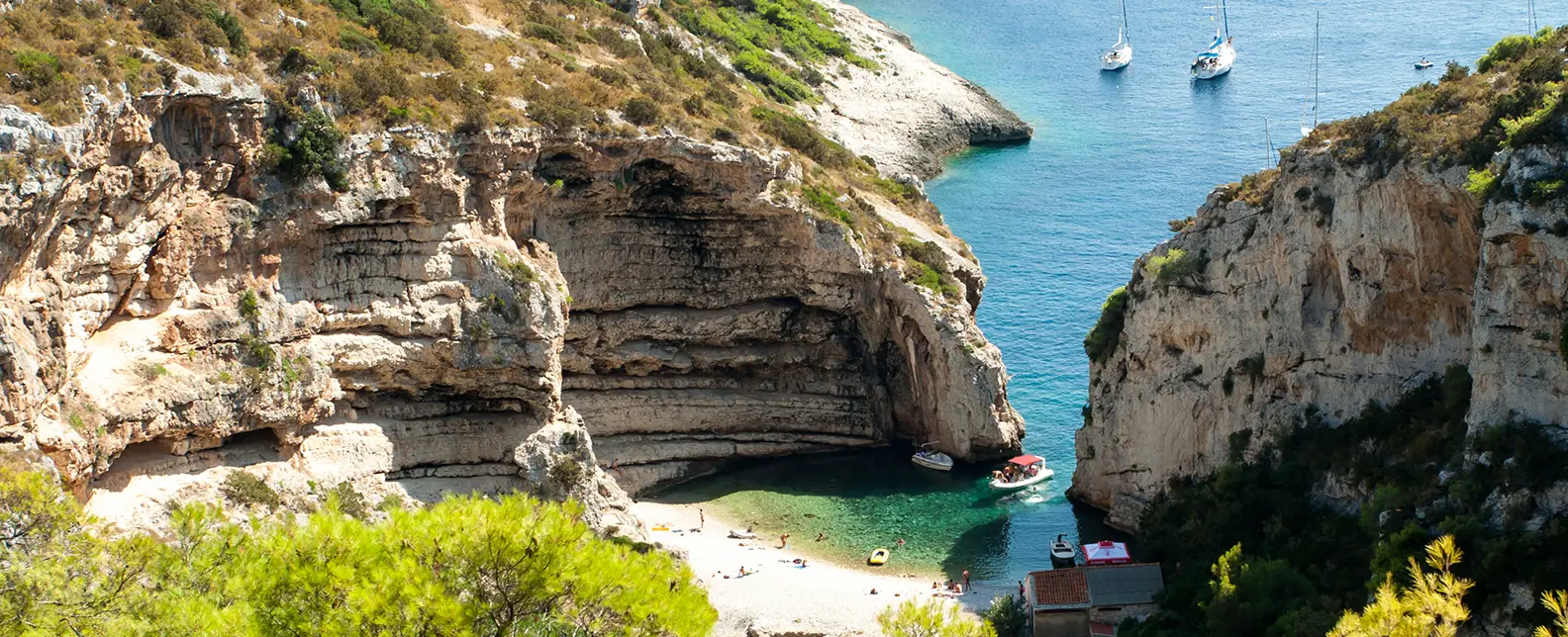
The next island east, Marinkovac, has the famous Stipanska Beach (Carpe Diem Beach Club) and Mlini bay. Both are buoy-only in season.
Restaurant moorings — the “free with dinner” model
Hvar pioneered the restaurant-mooring system in Croatia: tie up to the restaurant’s pontoon for the night, eat dinner ashore, mooring is free. The system works at:
— Toto’s, Vinogradišće: 8 buoys, dinner reservation required.
— Bilo Idro, Vinogradišće: 4 buoys, smaller bay.
— Konoba Stipe, Stipanska: pontoon space, basic but authentic.
— Carpe Diem Beach Club, Stipanska: paid buoys, partial discount with dinner.
Restaurant moorings are reserved through each restaurant directly — usually by phone the day before.
When to arrive in peak season
Hvar Town’s harbour fills by 17:00. ACI Palmižana fills by 16:00. Vinogradišće restaurant moorings are reserved a day ahead. The realistic plan is to arrive in the Pakleni by 14:00, secure mooring, then take the shuttle into Hvar Town for the evening. Skippers who arrive at 18:00 in July and August spend the night anchored uncomfortably in open water 1 NM offshore.

Eating ashore: the konoba list
Hvar’s restaurant scene divides into two: serious gastronomy and traditional konobe. Notable picks:
— Junior Bistro, Hvar Town: modern Mediterranean, terrace.
— Macondo, Hvar Town: long-standing seafood standard.
— Apolon, Stari Grad: the konoba reference for Stari Grad.
— Konoba Antika, Stari Grad: stone walls, slow food, traditional Dalmatian.
— Bilo Idro, Vinogradišće: seafood, 50 metres from your boat.
— Toto’s, Vinogradišće: long-running, the buoys are part of the deal.
Crew rhythm: how most charters use Hvar
The standard split is two nights — one in the Pakleni for Hvar Town nightlife, one in Stari Grad for the calm. Many crews skip Hvar Town entirely after one season (the noise, the crowds, the prices), and instead do two nights in the Pakleni and one in Vrboska or Jelsa.
Frequently asked questions
Should I moor in Hvar Town or stay in the Pakleni?
Stay in the Pakleni and shuttle to Hvar Town for dinner. Less stress, cheaper, easier to leave in the morning.
Are the Pakleni buoys free or paid?
Mixed. Restaurant moorings are free with a dinner reservation. ACI Palmižana berths are paid (€60–120 in season). Free anchoring is allowed in unmarked bays but spots fill fast.
Is Hvar busy in May or October?
Less busy but plenty of mooring is closed. ACI Palmižana operates April–October. Restaurants in Vinogradišće close in October.
How does Hvar compare with Korčula?
Hvar is louder, busier, more famous. Korčula is calmer and arguably prettier as a town. Most charterers visit both — see the Dubrovnik itinerary.
What’s the single best Pakleni mooring?
Vinogradišće, with a Toto’s reservation. The bay is the prettiest, the buoy is free with dinner, and the walk across to Palmižana takes 8 minutes.
Crew rhythm — what most charterers actually do on Hvar
The standard Hvar rhythm is two nights: one in the Pakleni for nightlife and the easy walk through Hvar Town, one on Hvar’s north coast (Stari Grad or Vrboska) for the calm. Some crews extend to three nights — adding Jelsa for a working-fishing-village evening. The pattern most repeat charterers settle into is arrive in Pakleni by 14:00, secure mooring, shuttle into Hvar Town for the evening, sleep in Pakleni; cross to Stari Grad on Day 2, anchor in the bay, walk the old town in the late afternoon, dinner at Apolon or Antika; continue east along Hvar’s north coast to Vrboska or Jelsa on Day 3 if extending. The full island rotation takes 3 days and feels complete; rushing through in 1 day means you saw a harbour, not the island.
Money and provisioning on Hvar
Hvar Town has full provisioning — Konzum, Studenac, a Lidl 10 minutes uphill from the harbour. Stari Grad and Jelsa have smaller-but-adequate Studenacs. Vrboska has only village shops. Provisioning a substantial week’s worth is best done in Split before pickup. ATMs work in Hvar Town, Stari Grad, Jelsa; not in Vrboska or the Pakleni. Card payment is universal in restaurants but cash is appreciated for tips. Budget €120–150 per crew member for week-long groceries plus dinner ashore — Hvar carries a 15–25% premium over the Croatian average due to tourist demand.
The peak-season arrival timing problem
Hvar’s biggest operational issue is arrival timing. The mooring at ACI Palmižana is fully reserved by 16:00 in peak season; the Hvar Town town quay fills by 17:00; restaurant moorings at Toto’s, Bilo Idro, Carpe Diem fill by phone reservation the day before. The right pattern: plan to arrive in the Pakleni between 13:00 and 14:00, which means leaving the previous anchorage by 09:00 (most legs into Hvar are 3–4 hours under sail in the typical west-northwesterly). Crews who underestimate the timing problem spend the night anchored uncomfortably 1 NM offshore in open water.
The Hvar nightlife reality, written for repeat charterers
Hvar Town’s nightlife is loud, expensive, and aggressively young. Carpe Diem (the famous beach club on Stipanska) has a €30 cover after 22:00 in peak season. Hula Hula and Falko host beach-bar crowds. The town’s narrow streets fill with bachelor and hen parties from late July through August. Repeat charterers usually skip the Hvar Town nightlife entirely after one season and take dinner in Stari Grad or Vrboska instead — the food is better, the prices are half, and the morning departure is friendlier.
Explore boats
Boats you can charter in the places this article covers.
Sail it yourself — suggested itineraries
View all Split itineraries →
Ideas for your next sailing vacation
Boat rental & yacht charter around the world at the best prices