7-Day Sailing Itinerary from Dubrovnik: Elaphites, Mljet, Korčula & Lastovo
Updated May 2026.
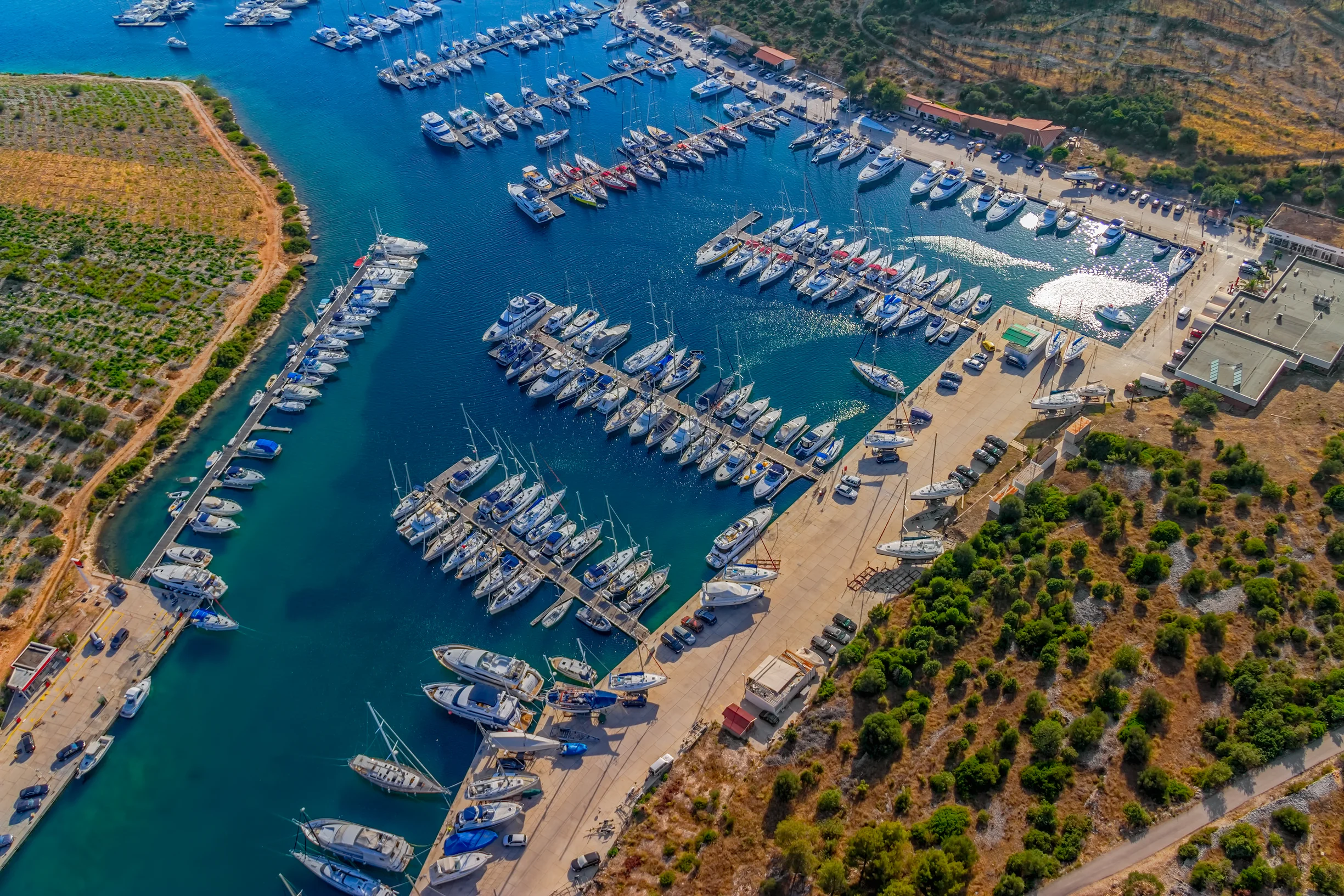
Dubrovnik is the southernmost charter base on the Adriatic and the best entry point to South Dalmatia — the Elaphite islands, Mljet National Park, Korčula, Lastovo, and the open-sea routes south to Montenegro. The fleet at ACI Dubrovnik (Komolac) and Marina Frapa Dubrovnik is smaller than Split’s but newer on average. Distances are slightly longer than the Split routes, and the Lastovo loop in particular is open-water sailing. This itinerary assumes a competent crew.
Day 1 — Dubrovnik to Šipan, Elaphite islands (10 NM)
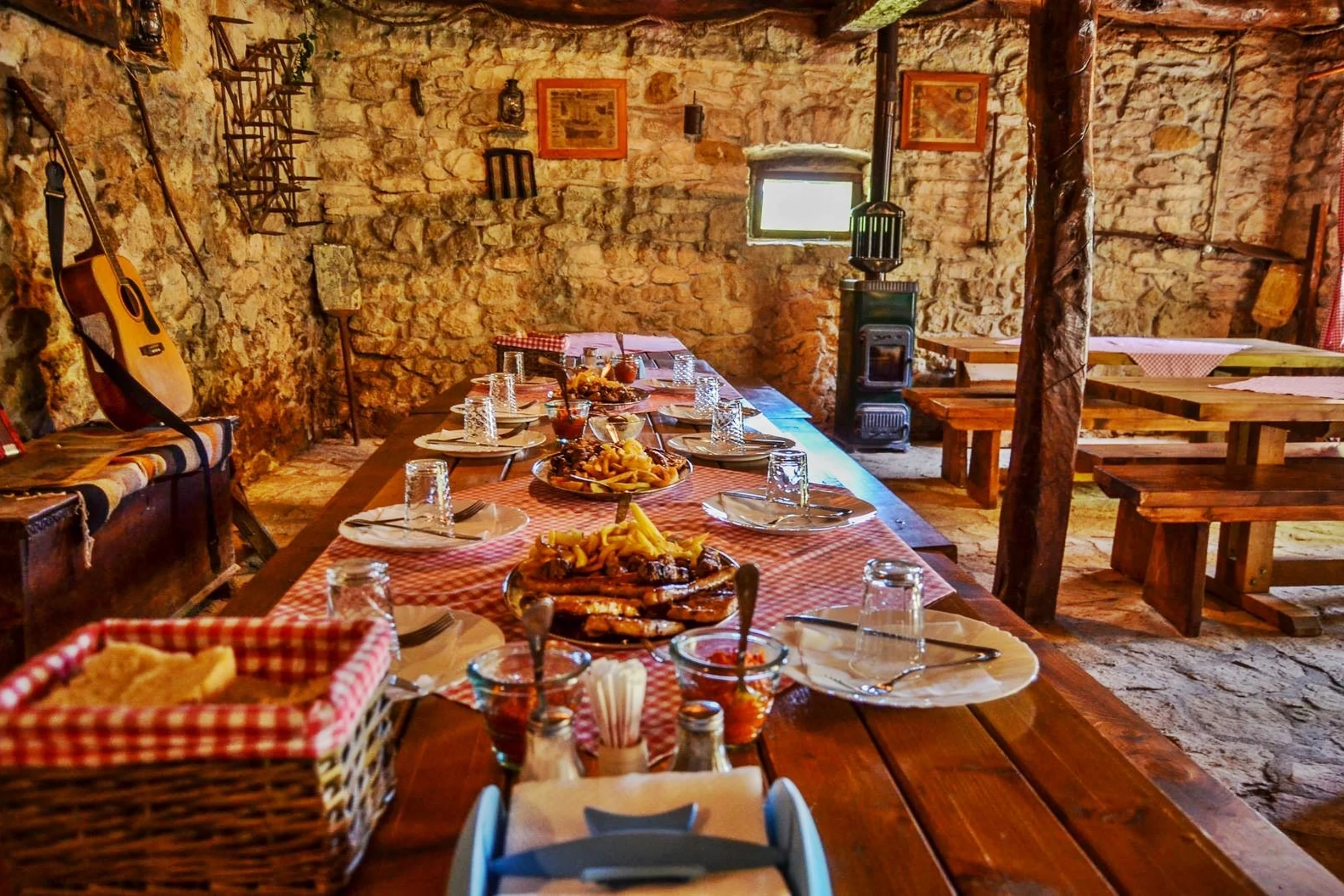
Boats are ready at ACI Dubrovnik (Komolac) by 17:00. Provision before pickup at the Tommy hypermarket near Slano, then cast off and sail 10 NM northwest to Šipan. The Elaphites are a string of small islands close to Dubrovnik — Koločep, Lopud, Šipan — perfect for the first short evening leg. Šipanska Luka is the standard overnight on Šipan, with an old harbour wall and one of the best Konobe in the south (Konoba Bowa is the local favourite).
Day 2 — Šipan to Pomena, Mljet (22 NM)
Mljet is the highlight of any southern Adriatic charter. The northwestern third of the island is a national park, with two saltwater lakes connected to the sea by a narrow channel. Anchor at Pomena (the western park entrance) or take a buoy at Polače (the eastern entrance). Walking and biking inside the park is easy; the tiny island in the lake holds a Benedictine monastery that’s now a restaurant. Pay the park fee at the entrance — it’s per person, includes the boat tour to the monastery.
Day 3 — Pomena to Korčula Town (16 NM)
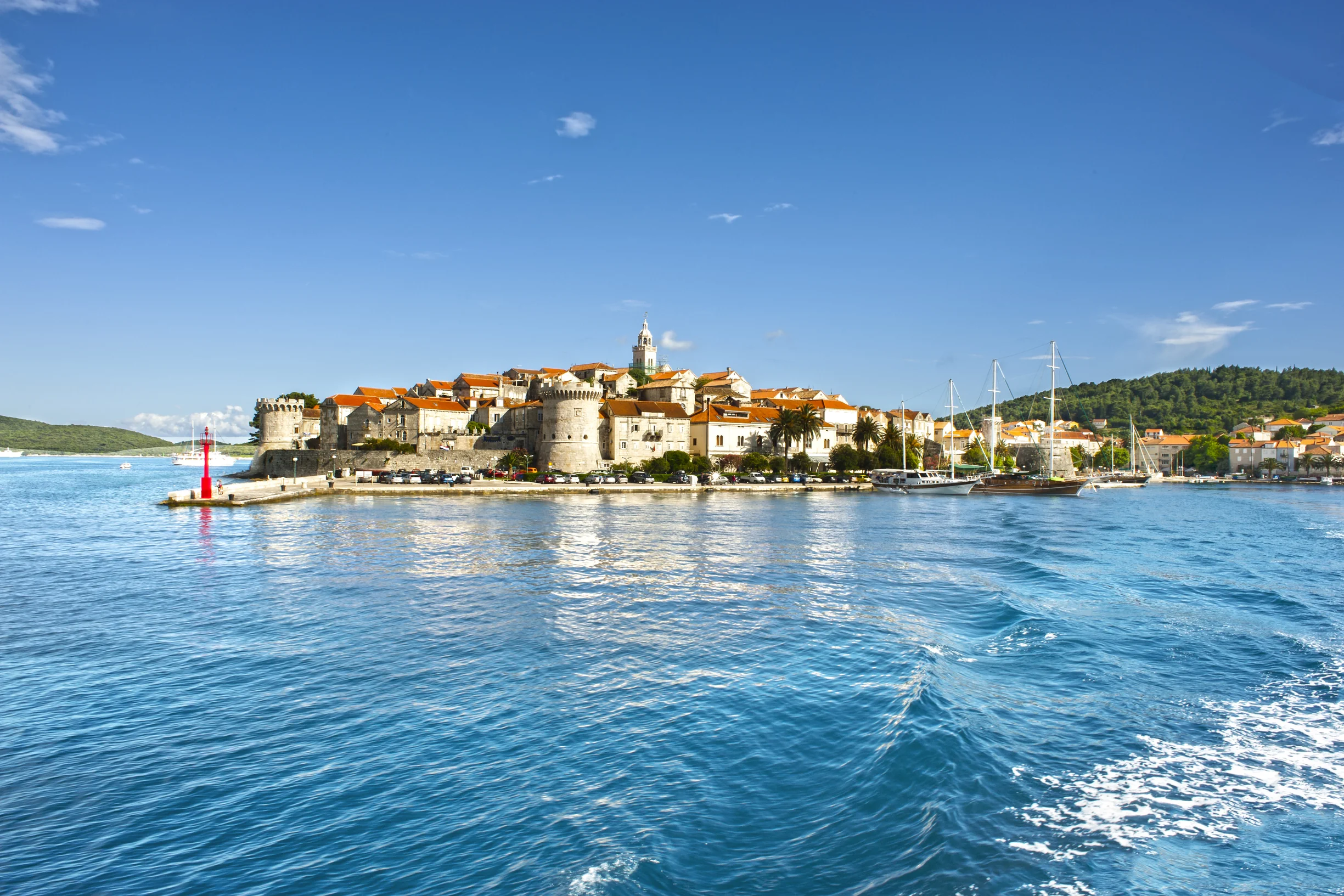
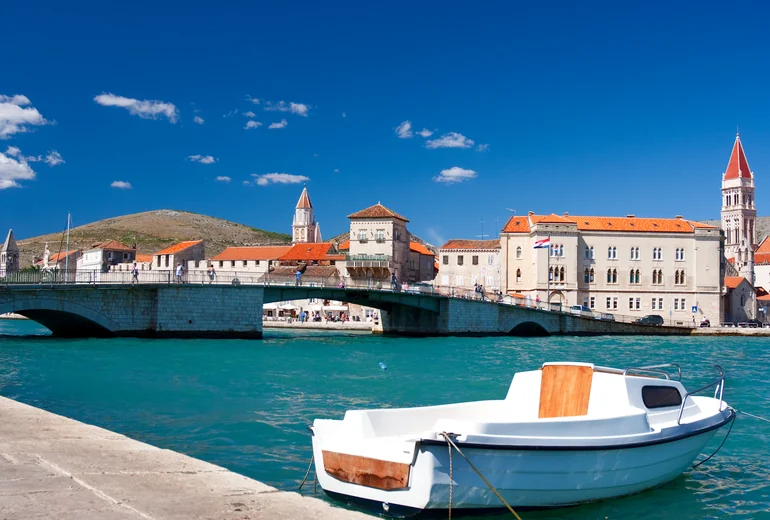
Korčula is the second-most-photogenic walled town in the Adriatic after Dubrovnik. The town quay handles charter boats stern-to with bow lines on the west side; ACI Korčula sits 800 metres east of the old town. In peak season, ACI Korčula is the better booking — the town quay fills by 17:00. Korčula’s old town is compact and walkable. Marco Polo’s birthplace claim is a local fiction, but the medieval walls are real.
Day 4 — Korčula to Lastovo (24 NM)
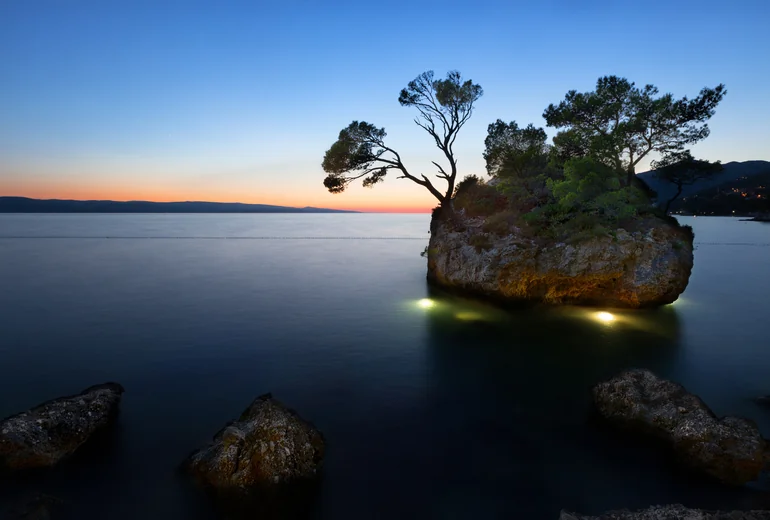
The longest open-water leg of the week. Lastovo is Croatia’s quietest inhabited island — a marine reserve, almost entirely dark at night, with two harbours (Ubli for arrivals, Skrivena Luka for the night). Skrivena Luka means “hidden harbour” and that’s exactly what it is — a deep, almost-fully-enclosed bay with one tiny village and a couple of restaurants. This is the night that justifies a Dubrovnik charter.
Day 5 — Lastovo to Vela Luka, Korčula (18 NM)
A relaxed sail back to Korčula’s western tip and Vela Luka, a working fishing town with a deep, sheltered harbour. Less polished than Korčula Town but more authentic. Konoba Mate is the dinner reservation.
Day 6 — Vela Luka to Polače, Mljet (16 NM)
Recross to Mljet, this time entering the park from the east at Polače. Take a mooring buoy and spend the afternoon either at the inland lakes again or at one of the open beaches on Mljet’s south side (Limuni, accessible by tender from the south coast).
Day 7 — Polače to Dubrovnik (28 NM)
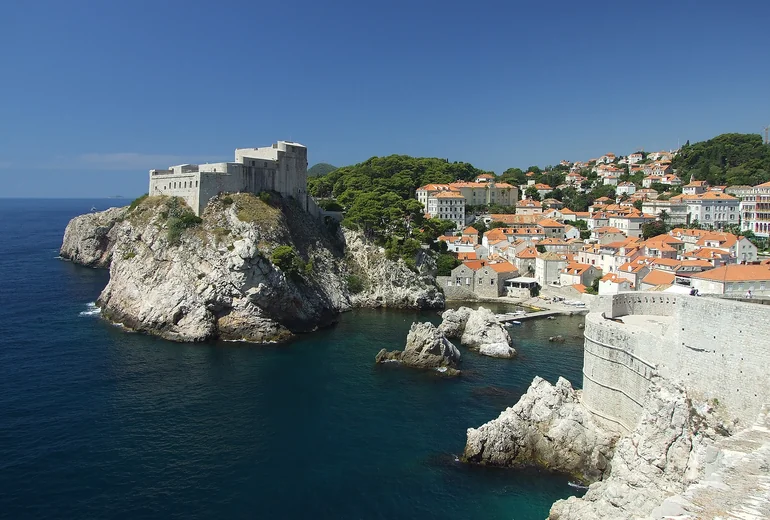
Long Day-7 to make the return on time. Leave by 08:00. If wind allows, sail directly back to Komolac for fuel and 13:00 handover. If you have an extra hour, divert into Slano Bay for a final swim stop on the way south.
Total distances and difficulty
Approximately 134 nautical miles. Two legs over 22 NM (Šipan-Pomena, Korčula-Lastovo, Polače-Dubrovnik), one over 28. This is a more serious week than the Split route — open-water sailing, longer commitments, fewer bailout options. Recommended for crews with at least one prior Croatian or Greek charter under their belt.
Optional Montenegro extension
Tivat in Montenegro is 35 NM south of Dubrovnik. A two-week charter from Dubrovnik with a Montenegro week added is increasingly popular. The cross-border formalities take roughly an hour each way. Our Montenegro sailing guide covers the practicalities.
Frequently asked questions
Is the Dubrovnik route harder than the Split route?
Yes — longer legs, more open-water sailing, smaller crew-friendly bailouts. If this is your first Adriatic week, start with Split.
How much do Mljet National Park fees cost?
Approximately €15–25 per person in 2026, depending on the season. Paid in cash or card at the park entrance. Includes boat shuttle to St Mary’s Island.
Can I skip Lastovo and add another Mljet day instead?
Yes — Lastovo is the most committed leg of the week. Crews who’d rather avoid the open-water passage often spend the saved day at Polače or in the Pakleni archipelago closer to Korčula.
What’s the best season for this route?
Late June or early September. July is workable, August is busy, May is quiet but the water is still cold.
Does Dubrovnik have catamaran availability?
Yes — both ACI Dubrovnik and Marina Frapa Dubrovnik carry catamaran fleets. Stock is shallower than Split, so book 4–5 months ahead for peak weeks.
The single best stops on this route, ranked
The southern Adriatic has fewer marquee stops than the central, but the ones that exist are exceptional. Mljet’s Veliko Jezero (the Big Lake inside the National Park) is the visual peak — a saltwater lake with a Benedictine monastery on its central island. Korčula’s Old Town walls at sunset rival any in the Mediterranean. Lastovo’s Skrivena Luka (“hidden harbour”) is the night that justifies the long crossings — a fully-enclosed bay with a single restaurant, no light pollution, and one of the best stargazing spots on the eastern Adriatic. Šipan’s Konoba Bowa uses ingredients from the family farm and serves dinner on a stone terrace 5 metres from the boat.
Provisioning notes specific to South Dalmatia
Provisioning is harder south of Split. Tommy hypermarket near Slano (15 minutes from ACI Dubrovnik) is the substantial weekly stop. Korčula Town has a Konzum and a Studenac. Lastovo has small village shops only — bring 2 days of supplies if you plan an overnight there. Fuel is at ACI Dubrovnik, Korčula Town and Vela Luka; not at Lastovo or Mljet. ATMs work in Dubrovnik, Korčula, Vela Luka; spotty elsewhere. Budget €110–150 per crew member for groceries and €40–60 per dinner ashore.
Trip prep specific to South Dalmatia
South Dalmatian prep is similar to central Dalmatia but with two specifics. Cash for Mljet park entry — €15–25 per person, paid at the gate, sometimes only cash. A flashlight or headtorch for evenings in Lastovo (the island has minimal street lighting and the konobe walks are partly unlit). Walking shoes for Mljet’s lake circuit (10 km, easy gradient) and Korčula’s old town walls. Most charter boats in Dubrovnik include 4–6 snorkel sets, paddleboards, and basic galley kit. Bring kid-sized snorkels and your own dry-bag if you plan to ferry into towns from anchor.
One-way Split → Dubrovnik versus Dubrovnik round-trip
The choice between one-way Split → Dubrovnik (linear, 7 days, larger geography) versus Dubrovnik round-trip (loop, 7 days, tighter geography) matters more than most charterers realise. The one-way week covers more ground and visits Vis, Hvar, Korčula, and Mljet — but requires a larger upcharge from the operator (typically 25–40%) and is harder to coordinate with airport transfers. The Dubrovnik round-trip has tighter geography but no upcharge, easier airport logistics (Dubrovnik in, Dubrovnik out), and more time at fewer stops. Repeat charterers usually settle on the round-trip after one or two one-ways.
Ideas for your next sailing vacation
More than 40 countries for boat rental & yacht charter with best prices