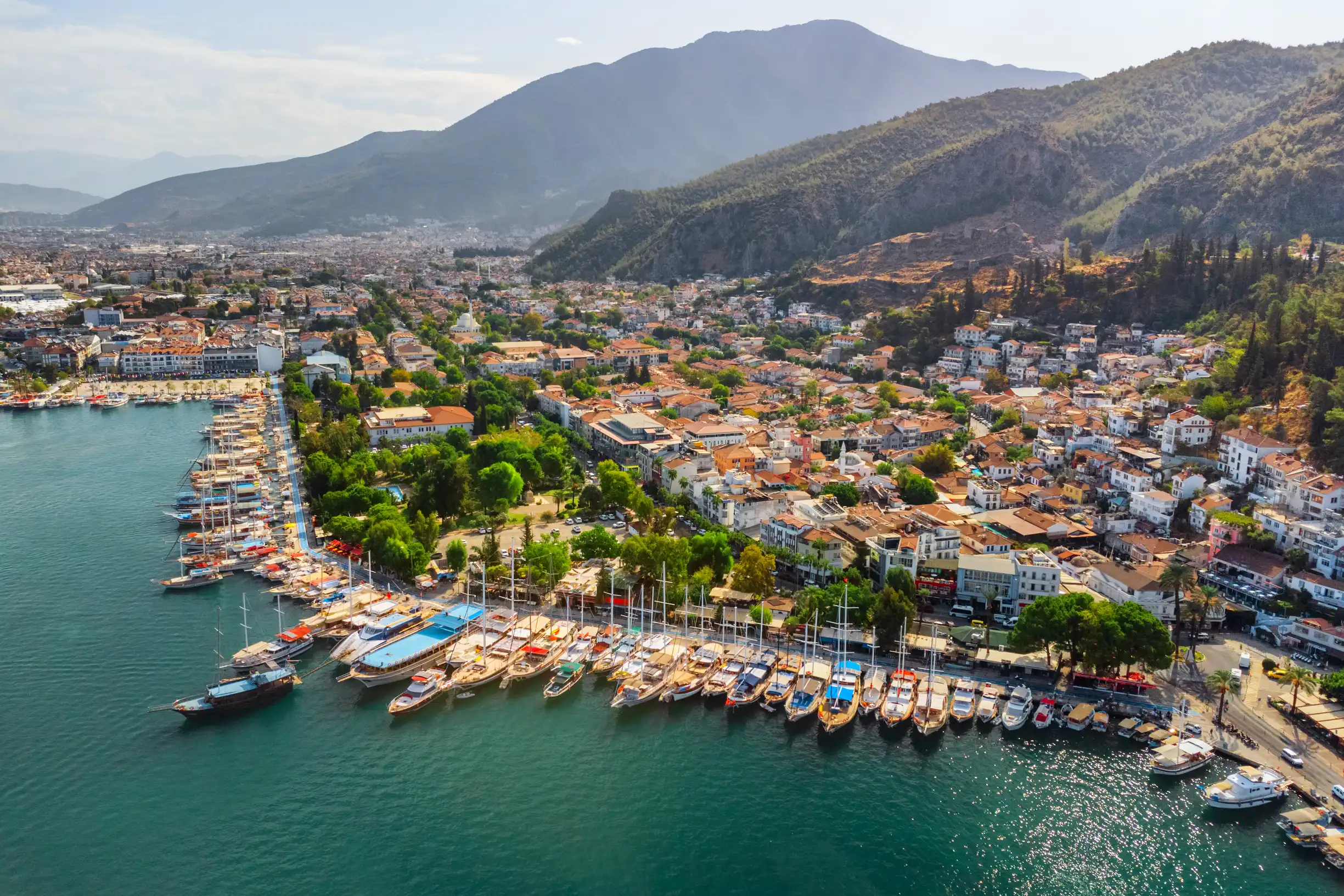
Catamaran vs Monohull vs Gulet vs Motor Yacht: The 4-Way Price & Comfort Comparison
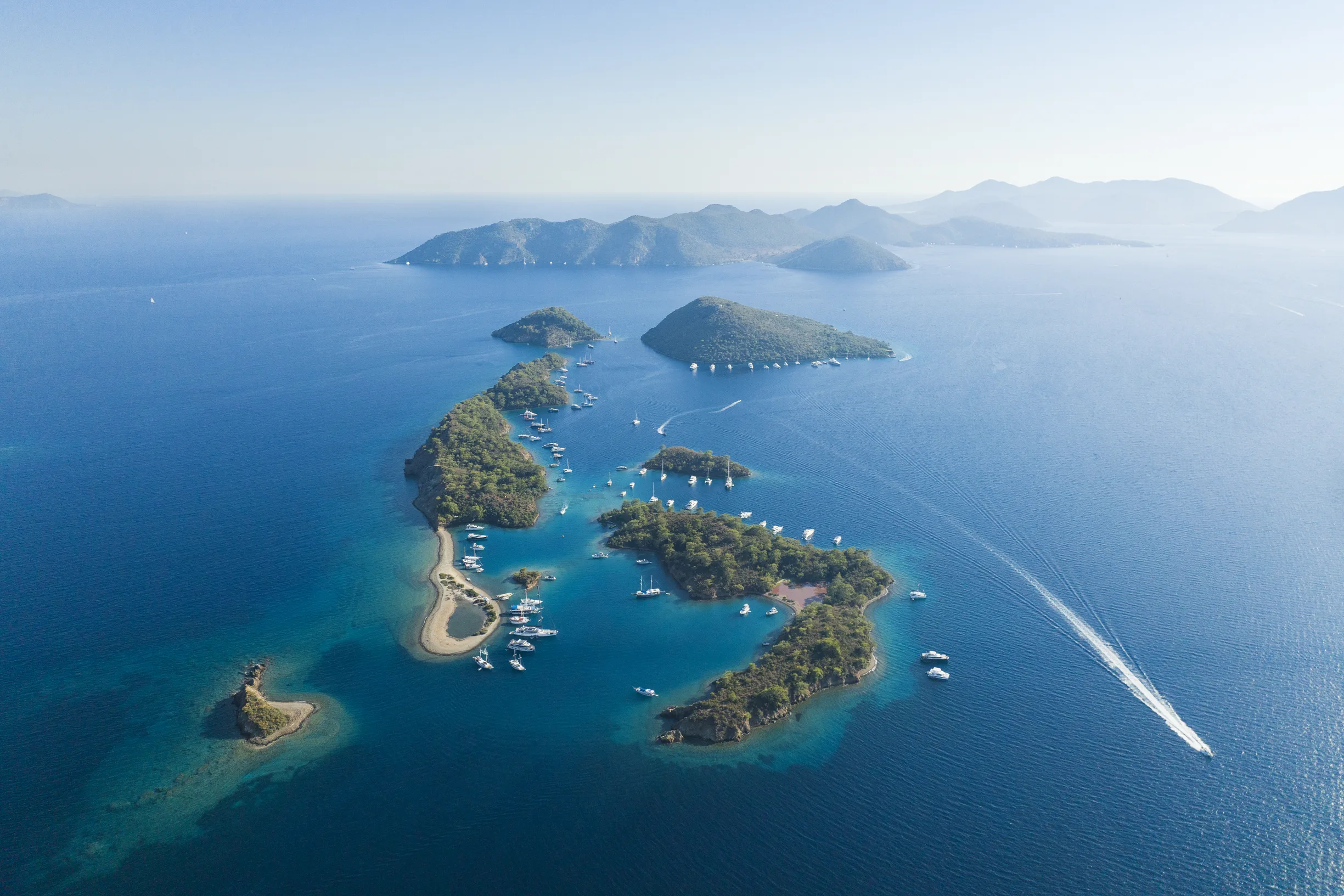
Most “which boat” articles stop at catamaran vs monohull. That leaves out two charter types that quietly dominate the eastern Mediterranean — the gulet and the motor yacht — and it skips the part everyone actually wants: what each one costs, including the bits that don’t show up in the headline price. So here is the full four-way comparison, with real price deltas drawn from the boats on our platform.
The short version: a monohull is the cheapest way onto the water, a catamaran buys you space and stability at a premium, a gulet is a crewed-comfort holiday more than a sailing trip, and a motor yacht trades sail for speed and fuel bills. The right answer depends less on what looks best in photos and more on who’s coming and what your week is really for.
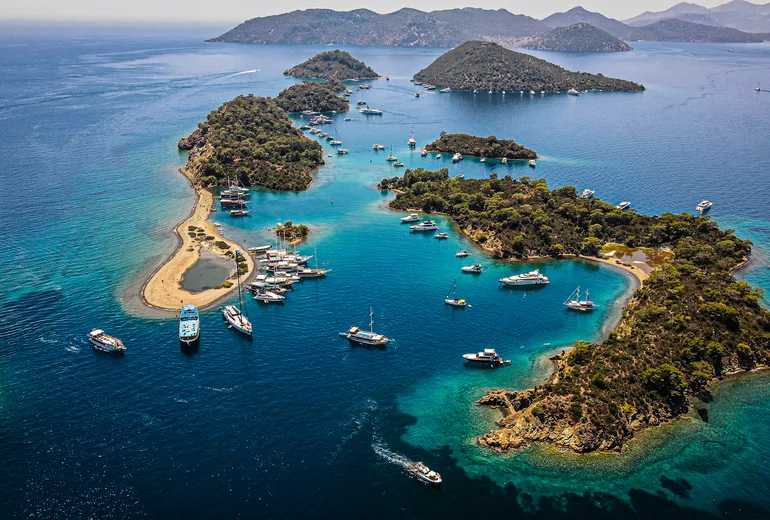
Catamaran, monohull, gulet and motor yacht: the four hull types at a glance
Before the money, the basic character of each, because they behave nothing alike on the water.
- Monohull: one keeled hull, heels when sailing, the traditional yacht. Cheapest to charter and to moor, sails well to windward, sleeps 4–8 in tighter cabins.
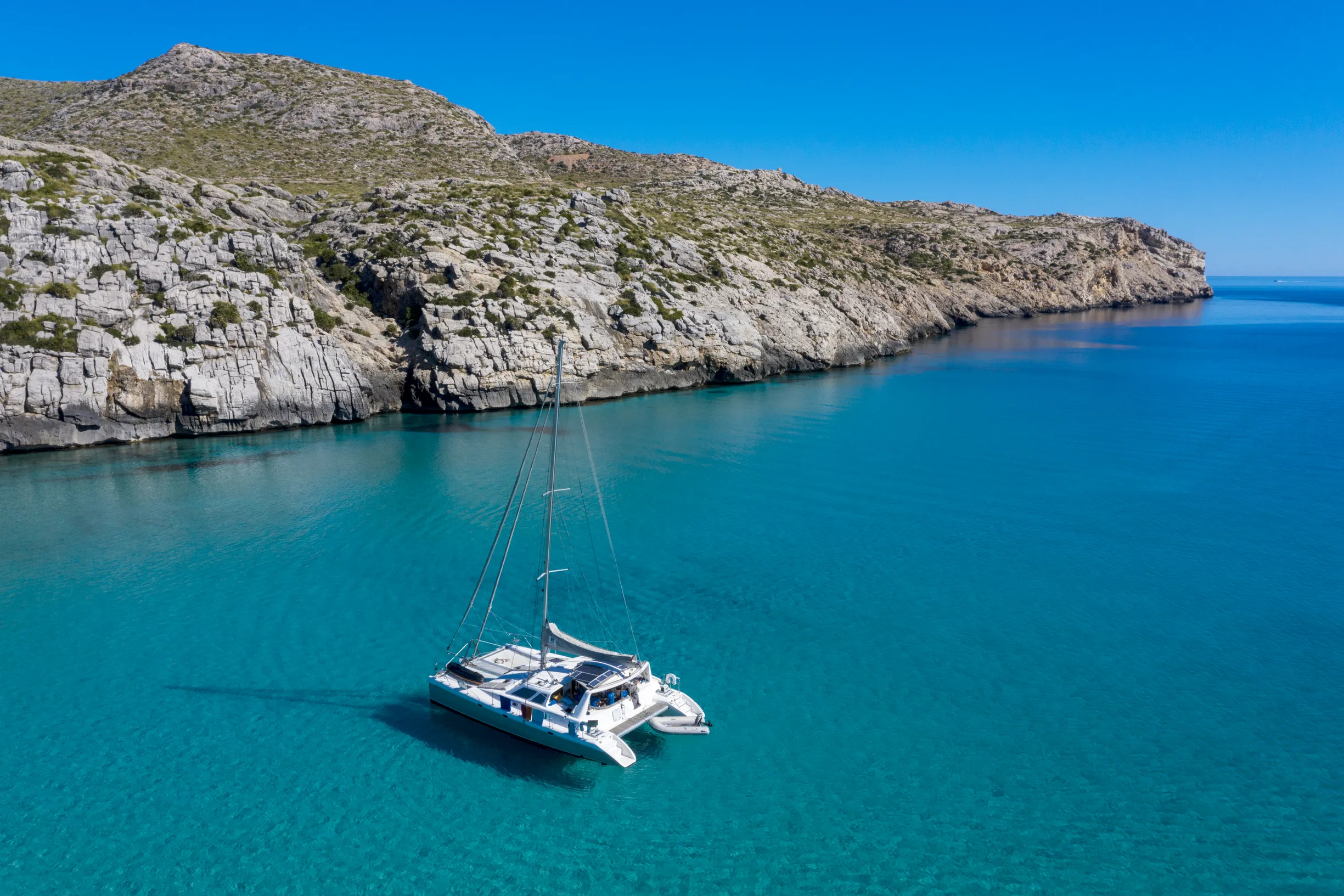
- Catamaran: two hulls, stays flat, huge deck and saloon space. Roughly 50–80% more than a comparable monohull, and harder to find a berth for.
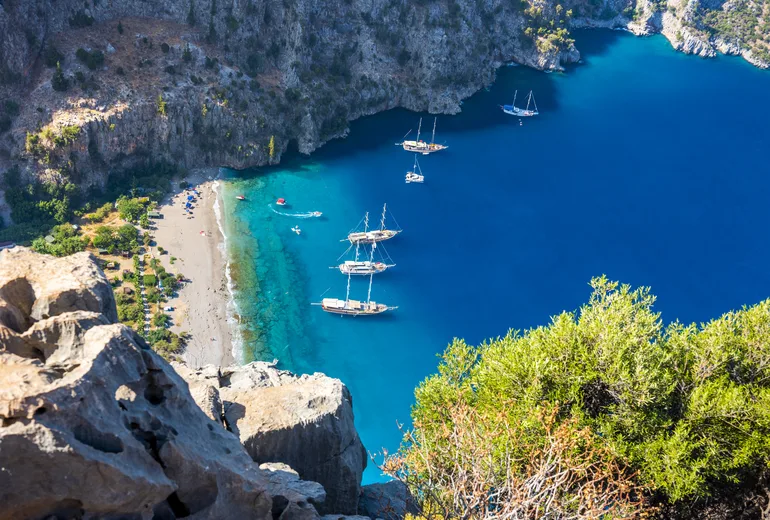
- Gulet: a broad-beamed wooden motorsailer, almost always crewed, built for lounging rather than performance. A Turkish and Greek speciality.
- Motor yacht: no reliance on wind, covers distance fast, but burns fuel that you pay for separately — often the wild card in the budget.
Price reality: the deltas that matter
Across a typical high-summer week in the Adriatic and Aegean, the pattern on our database is consistent. A mid-size 45–47 ft monohull tends to land around €3,000–5,500 per week; a comparable 45 ft catamaran runs roughly €6,000–10,000. That cat premium isn’t a markup — two hulls, two engines, more systems and double the marina footprint all cost the operator more, and it’s passed on. We break this down further in our guide to choosing between a catamaran and a monohull.
Gulets are priced per cabin or per boat with crew and often half-board included, which makes them look expensive until you remember the skipper, hostess and meals are baked in. A crewed gulet week frequently works out competitive once you add up what a bareboat plus skipper plus restaurants would cost. Motor yachts sit across a wide band depending on size — but their fuel is the line that surprises people.
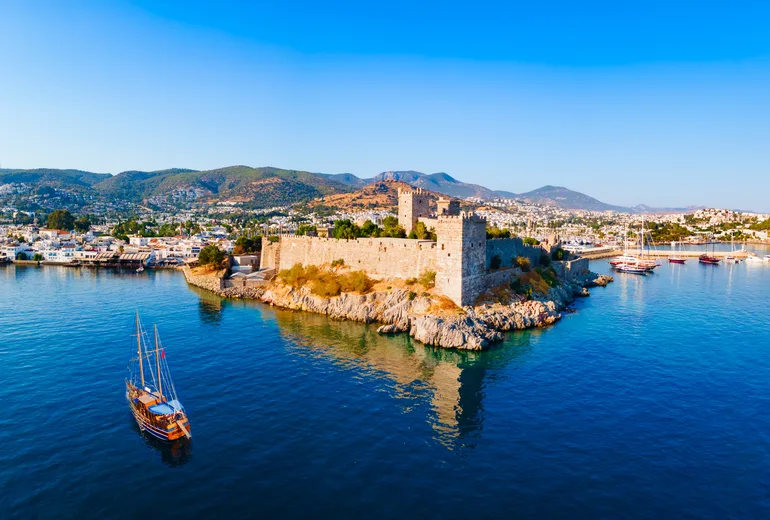
The hidden costs: fuel, mooring and crew
Headline charter fee is only part of the bill. The differences between hull types show up loudest in three places, and understanding how a charter price splits into base rate and extras makes them easier to plan for.
Fuel
A sailing monohull or catamaran on a relaxed Mediterranean week might use €100–250 of diesel — you mostly sail. A planing motor yacht doing the same route can burn many times that; cruising at 20+ knots, fuel can run into four figures for the week. If you’re drawn to a motor yacht, model the fuel honestly before you book.
Mooring
Marina fees are charged by length and beam, and a catamaran’s width often pushes it into a higher band or onto a more expensive end-tie. A high-summer night in a smart marina like Göcek or in Croatia’s busier ports can run €80–250 depending on size, and cats pay at the upper end. Monohulls slot into standard berths most cheaply.
Crew
Gulets and larger motor yachts come crewed, so you’re paying salaries plus a customary tip (commonly 5–15% of the charter fee) and the crew’s food. Bareboat monohulls and cats carry no crew cost unless you add a skipper, which is typically €150–200 a day plus their provisions.
Who should pick what
Strip away the brochure language and the choice usually sorts itself by group and intent.
Pick a monohull if…
You actually want to sail, you’re a couple or a small crew, and budget matters. It heels, it’s livelier, and it’s the most affordable route to a week afloat. Sailors who care about the feel of the boat almost always come back to a monohull.
Pick a catamaran if…
You’re a family or two couples who value flat decks, separate cabins with their own heads, and a saloon big enough to live in. Kids and non-sailors are far happier on a cat, and the trampolines up front are their own attraction. You’ll pay for it, but the space is real.
Pick a gulet if…
You want a crewed, hands-off holiday with meals cooked for you and someone else handling the lines — think a relaxed week along the Turquoise Coast. Our full gulet charter guide for Türkiye and Greece covers how cabin charters and whole-boat bookings differ.
Pick a motor yacht if…
You’re short on time, want to cover ground between marinas quickly, and don’t mind the fuel bill. They suit groups who treat the boat as a fast, comfortable base rather than the point of the trip.
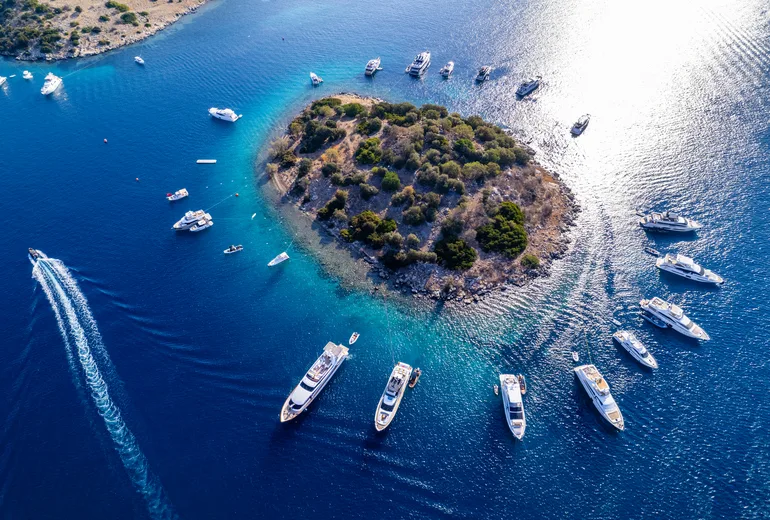
Where each cat, monohull, gulet or motor yacht makes most sense
Geography nudges the decision. The Turkish and Greek coasts are gulet heartland — sheltered bays, short hops, and a crewed-comfort tradition that fits the wooden motorsailer perfectly. The Cyclades and exposed Aegean reward a capable monohull that points into the meltemi. The Adriatic’s marina-hopping suits both monohulls and cats, while flat-water cruising grounds with calm anchorages flatter a catamaran’s stability. If you’re weighing the eastern Med specifically, it’s worth checking whether Türkiye comes out cheaper for a gulet or catamaran before you commit.
Availability, booking windows and resale value of comfort
One thing the price tables don’t show: catamarans are the hardest type to get in peak season. There are simply fewer of them per fleet, demand from families is high, and the best August weeks on a good cat are often gone by February. Monohulls, being the bulk of every fleet, stay available far later and discount more readily in the shoulder months. Gulets cluster in Türkiye and Greece and book early for the prime July and August slots; motor yachts are the most spread-out in availability but the most variable in price.
That scarcity feeds back into the budget. A catamaran’s premium isn’t only about build cost — it’s also a supply-and-demand premium, which is why booking a cat early pays off and why a flexible monohull sailor can often find a late deal. If your dates are fixed and you want the space, reserve the catamaran well ahead; if your dates flex and you’ll sail a monohull, you have room to wait for value.
A quick decision matrix
If you remember nothing else: most budget, want to sail, small crew → monohull. Most space, family, stability → catamaran. Most comfort, crewed, no effort → gulet. Most speed, least time, fuel no object → motor yacht. The four hull types overlap less than the photos suggest, and matching the boat to the trip is what makes the week work. When in doubt, a skippered monohull or catamaran is the most forgiving first charter — you get the experience without carrying the responsibility for the whole boat, and you can decide what you actually prefer for next time.
Frequently Asked Questions
Is a catamaran really worth the extra cost over a monohull?
For families, mixed groups and anyone prone to seasickness, usually yes — the flat decks, private cabins and living space justify the roughly 50–80% premium. For a couple of keen sailors on a budget, a monohull gives a better sailing experience for less money.
Which charter type is the cheapest overall?
A bareboat monohull, almost always. It has the lowest charter fee, the lowest mooring costs and modest fuel use because you sail. Add a skipper and it’s still typically cheaper than a comparable catamaran, gulet or motor yacht.
Are gulet prices really all-inclusive?
Most gulet charters include the crew and often half-board meals, but check whether fuel, port fees, drinks and the customary crew tip are extra. Once you account for crew and food being built in, a gulet often compares well with a bareboat plus skipper plus restaurant bills.
How much fuel does a motor yacht actually use?
Far more than a sailing boat. A planing motor yacht cruising fast can burn into four figures of diesel over a week, against maybe €100–250 for a sailing monohull or catamaran that mostly sails. Always price the fuel separately before booking a motor yacht.
Can beginners handle any of these without a skipper?
Bareboat monohulls and catamarans require a valid licence and some experience; gulets and most motor yachts come crewed, so no skill is needed. If you’re new to it, a skippered monohull or catamaran is the gentlest way in.
Still deciding? Compare catamarans, monohulls, gulets and motor yachts side by side with live prices, or read our deeper look at the catamaran-versus-monohull question to narrow it down first.
Explore boats
Boats you can charter in the places this article covers.
Ideas for your next sailing vacation
Boat rental & yacht charter around the world at the best prices