Croatia vs Greece Sailing 2027: Prices, Winds & Crowds Compared With Real Data
If you are weighing up Croatia vs Greece sailing for 2027, the short version is this: Croatia tends to come out cheaper and easier to sail, Greece pays you back with bigger distances, clearer water and a stronger island-hopping feel. Both are excellent. The right pick depends on your budget, your crew’s experience, and how much wind you actually want.
Rather than hand-wave it, here is the comparison with numbers attached: like-for-like weekly prices, the difference between the maestral and the meltemi, how crowded each coast gets, and which kind of crew each country genuinely suits.
Croatia vs Greece sailing: the price comparison
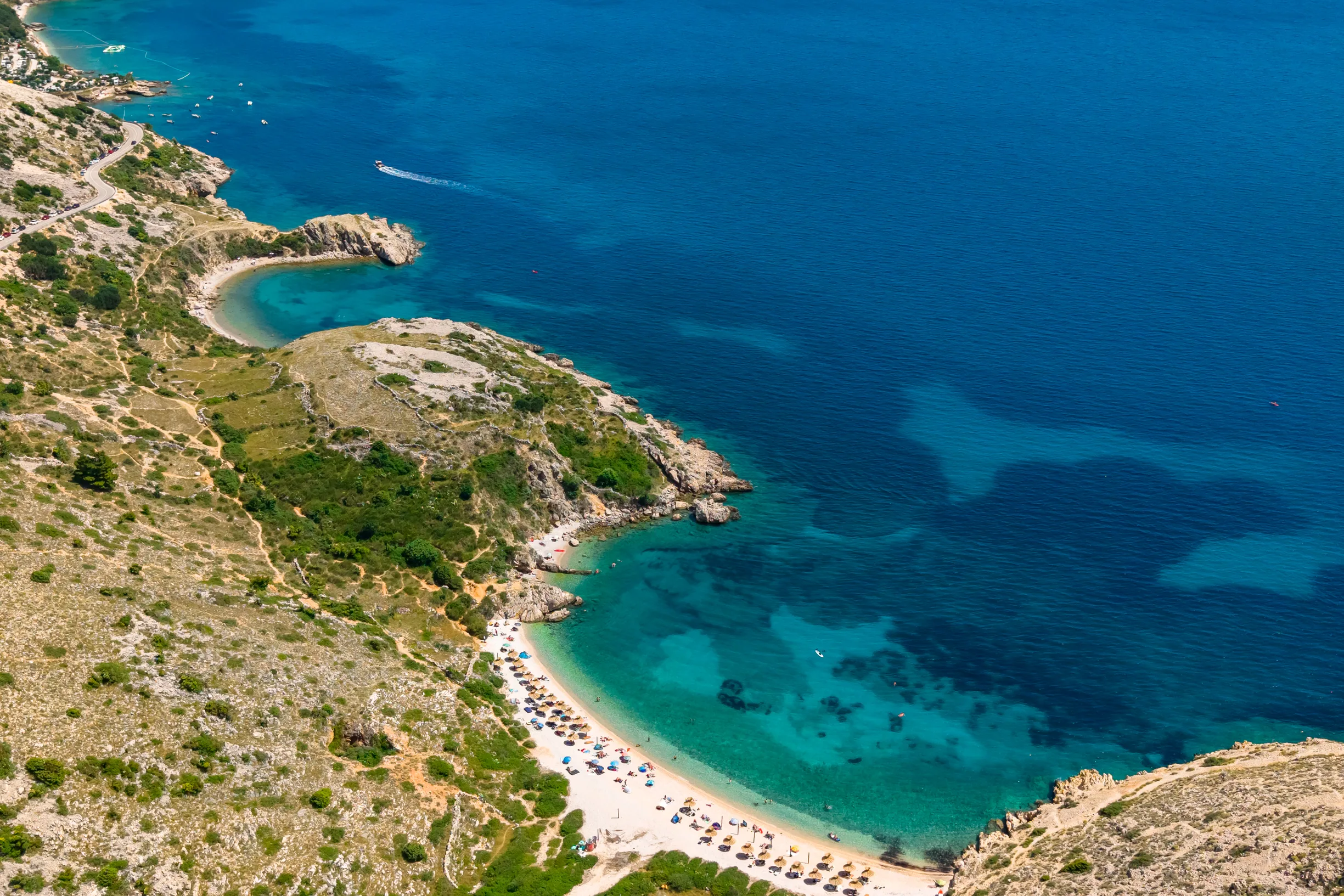
Across the boats we see most, Croatia runs roughly 20-30% cheaper than Greece for a comparable yacht in a comparable week. The gap is widest in peak summer and narrows in the shoulder months.
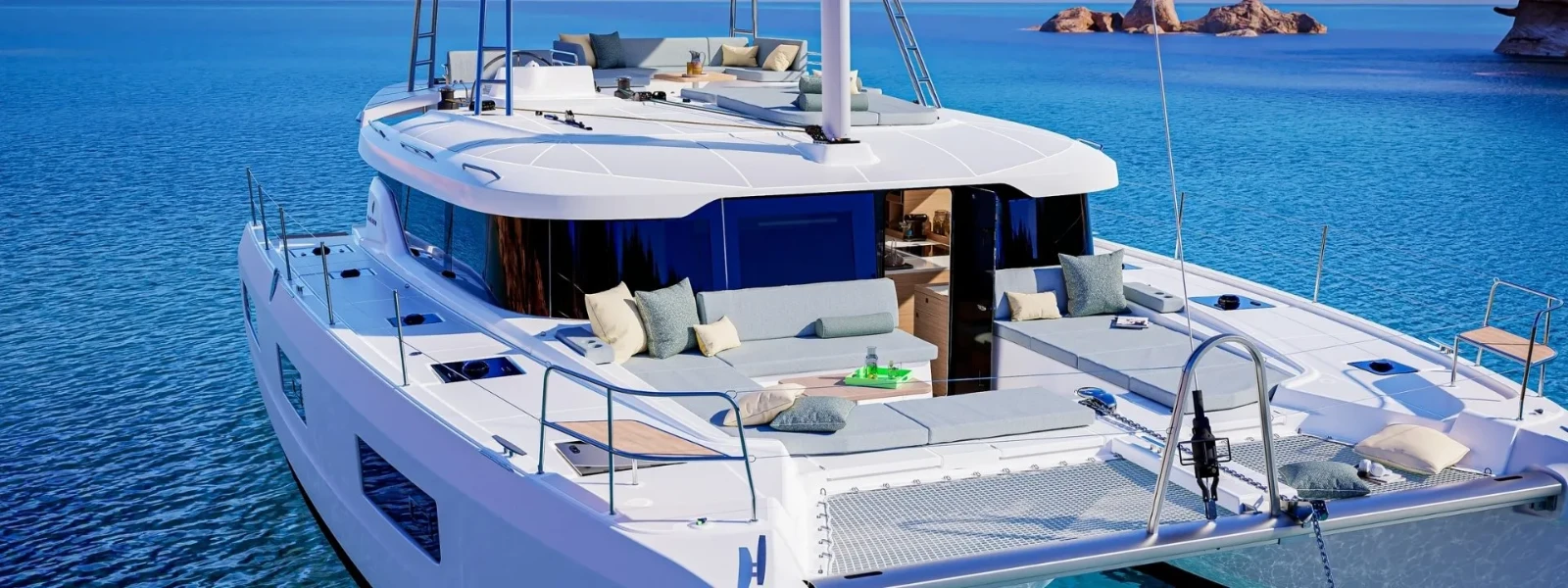
For a mid-range bareboat catamaran in the 45-46 ft range, a peak-July week in Croatia typically lands around €7,000-9,000, while the Greek equivalent more often sits at €9,000-12,000. A monohull in the 45-47 ft class tells the same story: figure roughly €3,500-5,500 in Croatia against €4,500-7,000 in Greece for high season. Shoulder weeks in May, June and late September knock 25-40% off both columns.
Why the difference? Croatia simply has more boats. The Adriatic fleet is the largest in the Mediterranean, and that supply keeps prices in check. Greece’s fleet is healthy but smaller, the distances mean more fuel, and marina fees in the Cyclades and Saronic can run higher than in Dalmatia.
The fees that change the real total
Headline rates are only part of it. Croatia adds a tourist tax and an obligatory final cleaning, and marina nights in Hvar or Dubrovnik can hit €100-200 in peak season for a 45-footer. Greece leans more on anchoring and simple fishing-village quays, which can actually lower your running costs once you are out there, though fuel for the longer legs adds up. Our full 2026 yacht charter cost breakdown walks through every line item so you can build a realistic total rather than just the boat price.
Winds compared: maestral vs meltemi
This is the difference that matters most for how your week feels on the water.
Croatia’s maestral: gentle and predictable
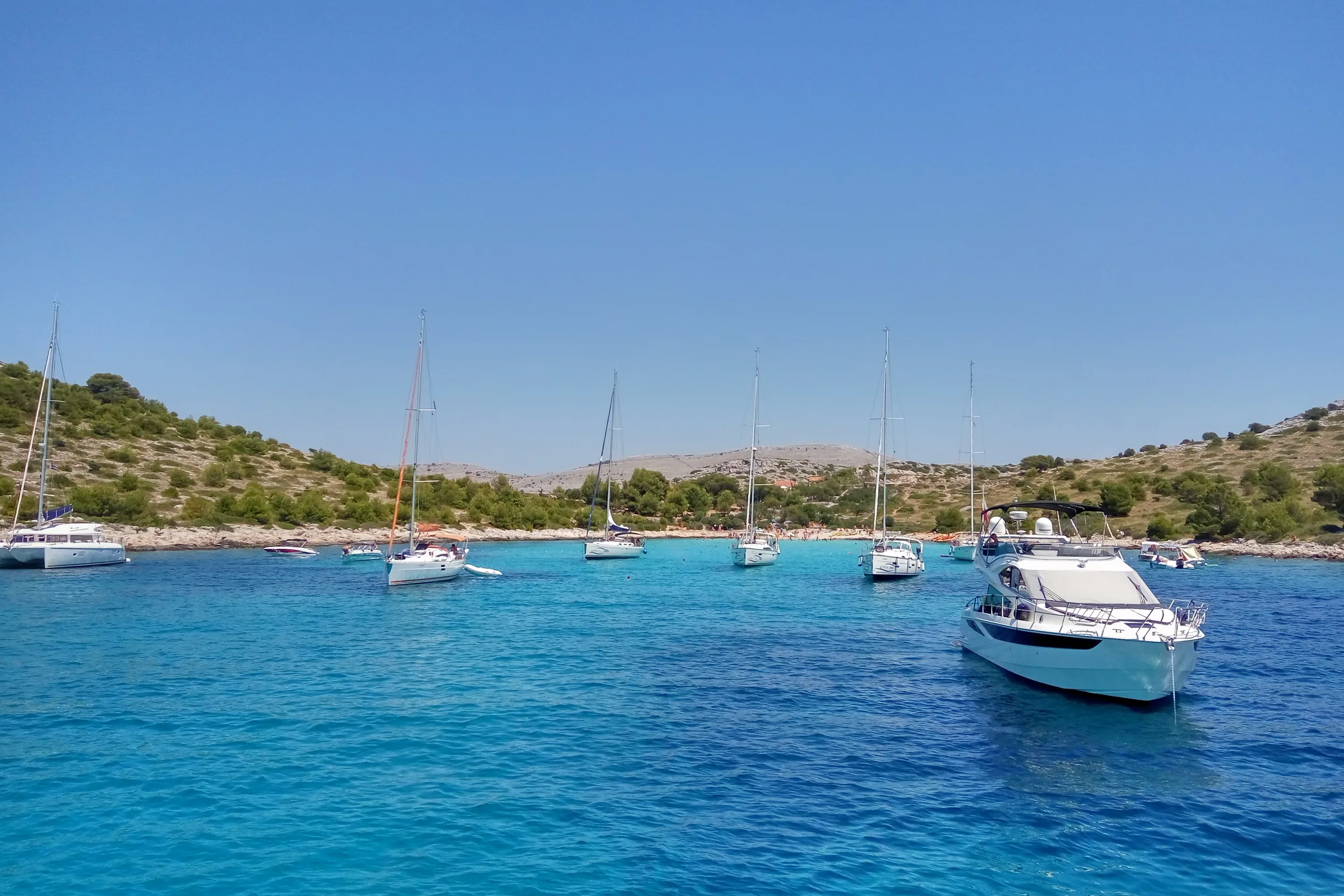
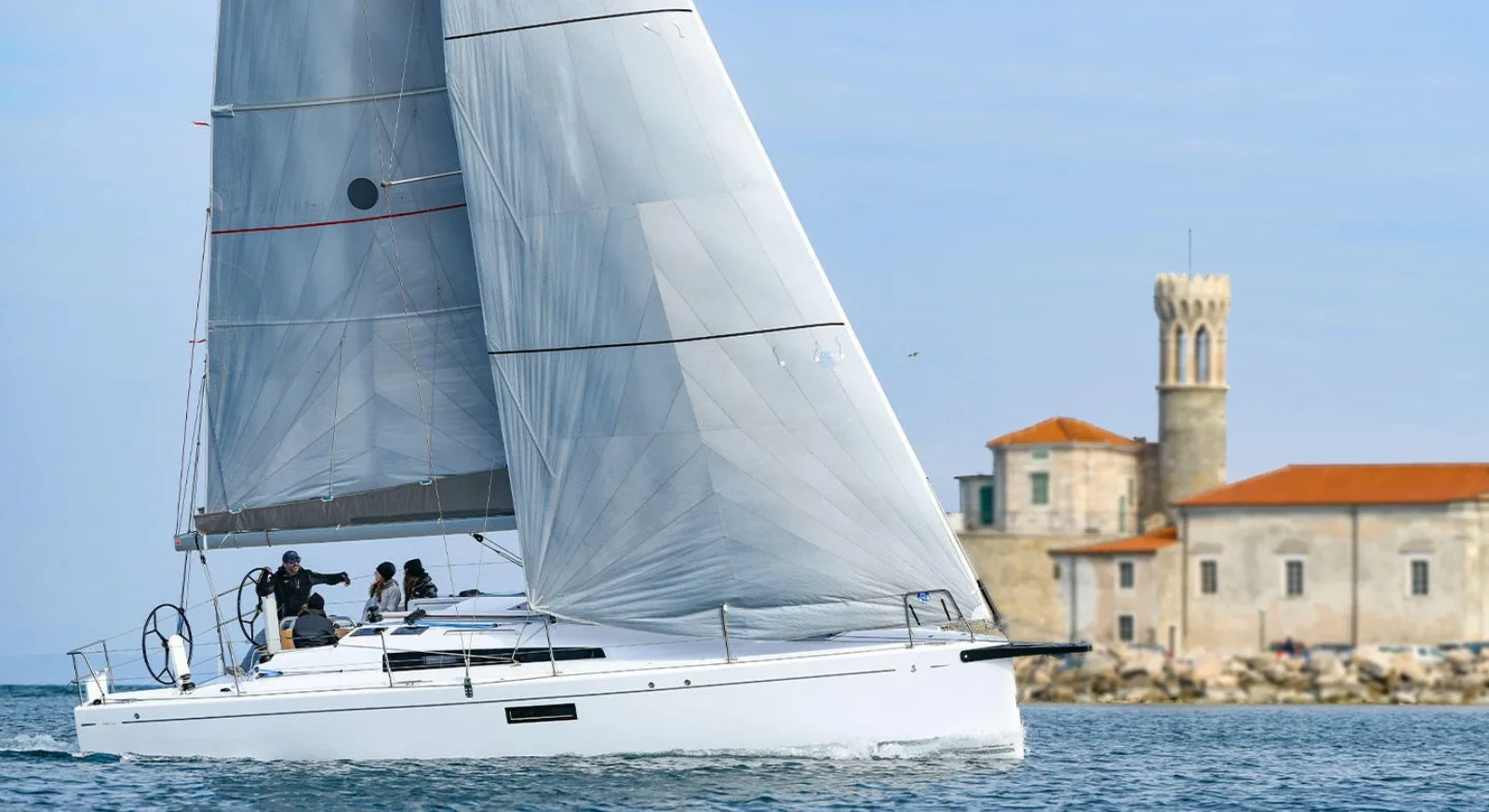
Dalmatia is governed by the maestral, a thermal sea breeze that builds through the morning, peaks at a friendly 10-18 knots in the early afternoon, and fades by evening. It blows from the northwest along the coast and makes for relaxed, sun-soaked sailing. Mornings are often calm enough to motor, afternoons give you a comfortable reach, and nights are usually still. For beginners and families this is close to ideal. The wild card is the bora, a strong, cold offshore wind that can arrive in the cooler months and occasionally in summer, but in July and August it is rare.
Greece’s meltemi: powerful and demanding
The Cyclades are ruled by the meltemi, a dry northerly that can blow hard for days, regularly 20-30 knots and sometimes more in July and August. It is exhilarating sailing if you know what you are doing and genuinely intimidating if you do not. It also funnels between islands, so a calm channel can turn into a washing machine within a mile. The Ionian, on Greece’s west side, is the gentle alternative: afternoon breezes of 10-15 knots, much closer to the Croatian experience, which is exactly why first-timers are steered there.
Crowds: how busy each coast really gets
Both countries are popular, but they crowd differently. Croatia concentrates traffic on a famous handful of spots, while Greece spreads it across more islands.
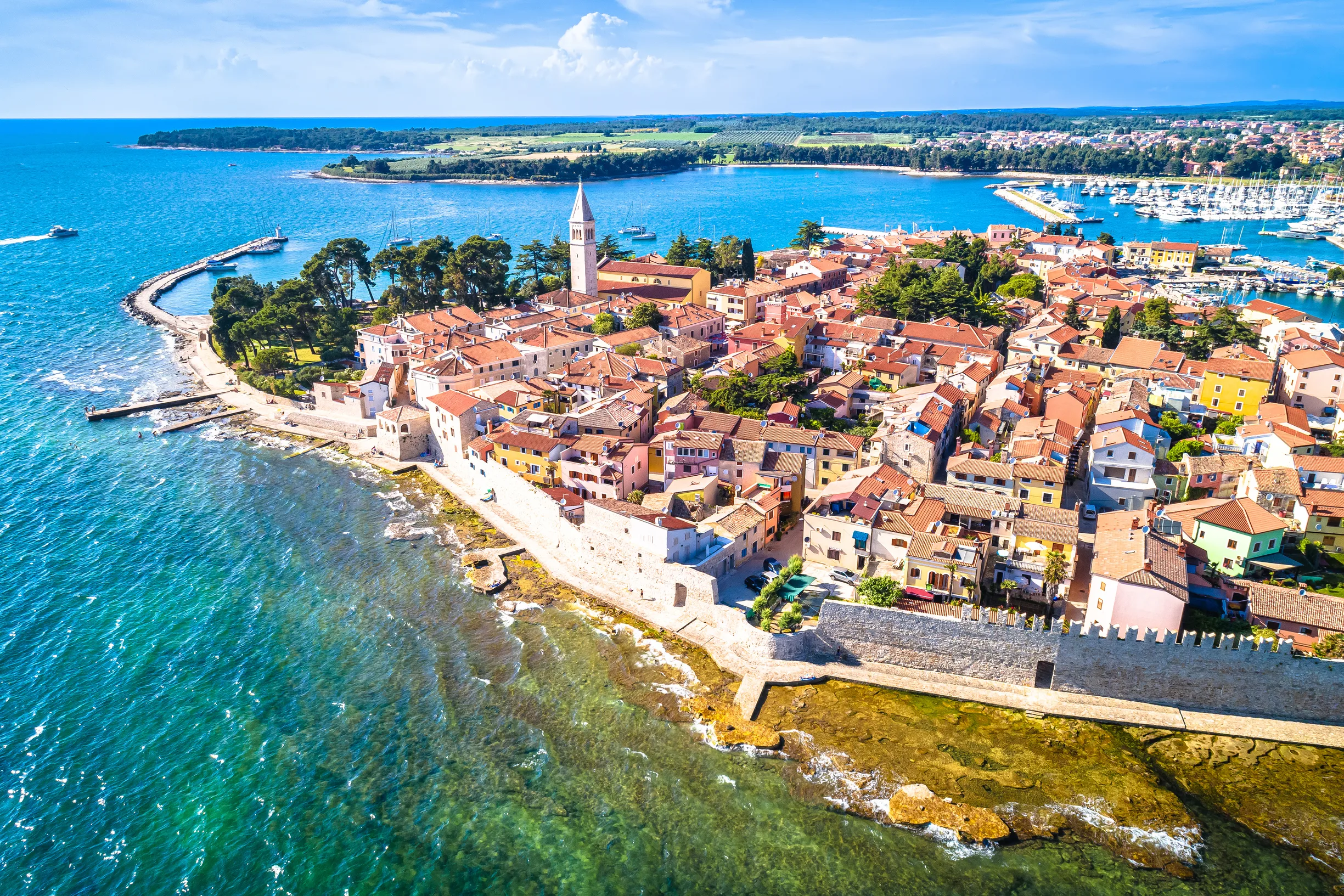
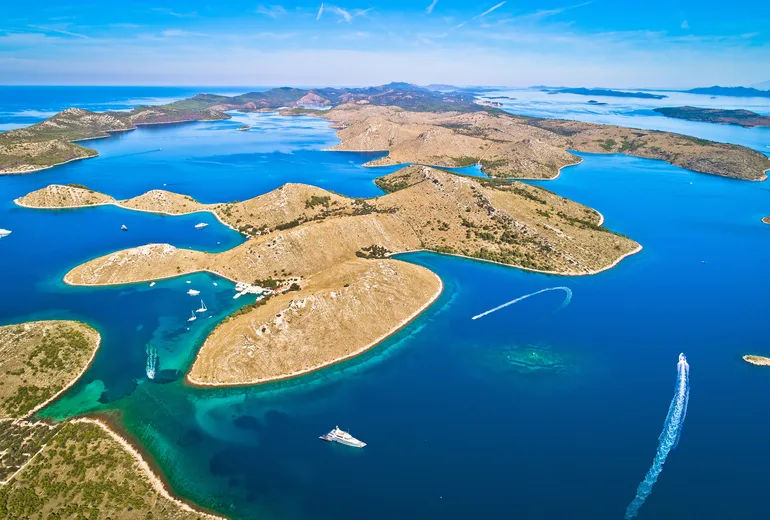
In Croatia, the squeeze is at the marquee stops. Hvar town in August is genuinely packed, the Pakleni islands fill with day boats, and getting an evening berth in Dubrovnik’s old harbour without a reservation is wishful thinking. But sail an hour off the main route, into the Kornati national park or up to the quieter islands of the Kvarner, and you can still find a near-empty bay. Croatia rewards anyone willing to skip the headline anchorages.
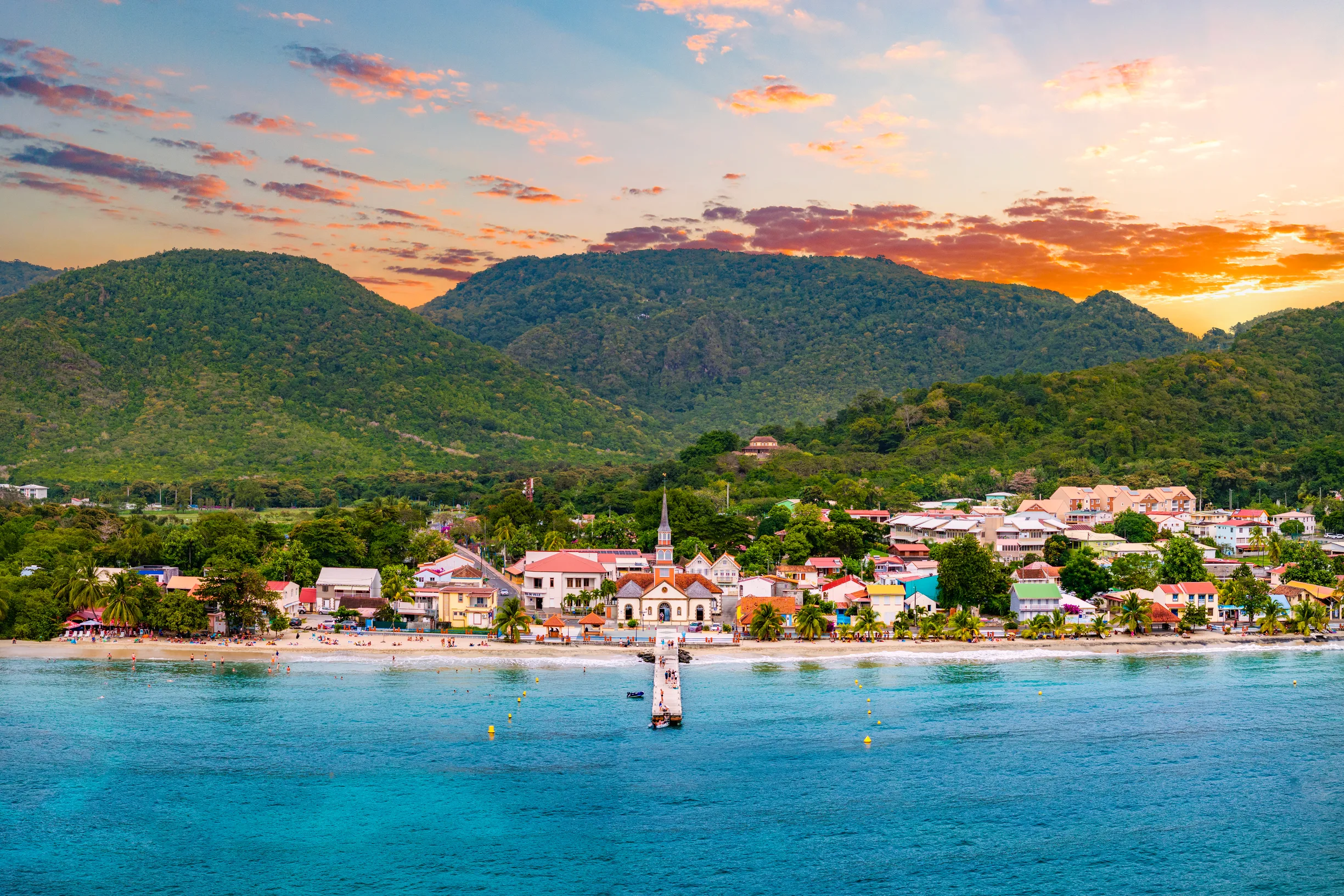
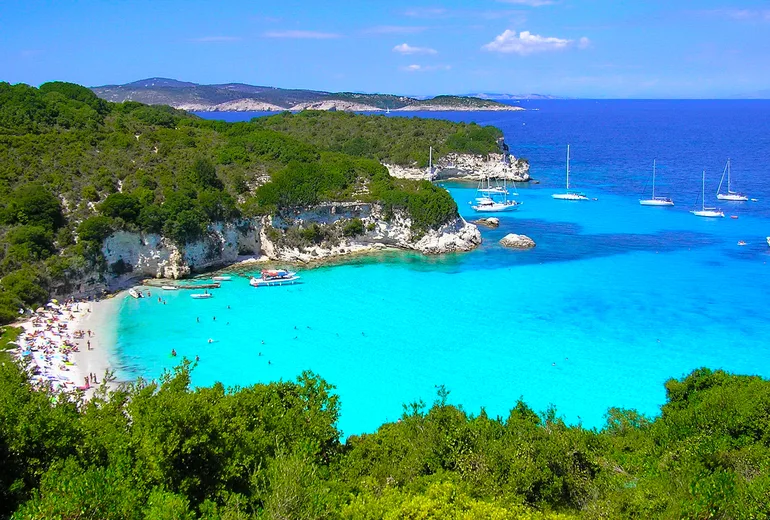
Greece’s crowding is concentrated on Mykonos and Santorini, which are mobbed in season and short on good anchorages anyway. Away from those two, much of the Cyclades and most of the Ionian islands stay pleasantly uncrowded even in August. The trade-off is the wind: the calm, beginner-friendly Ionian is also where most charter crews go, so its prettiest bays at Paxos and Antipaxos do get busy.
Which country suits which crew?
After enough seasons you stop asking which country is “better” and start matching the country to the crew. Here is how that breaks down.
Choose Croatia if…
You are a family, a first-time bareboat crew, or a group that wants short hops and lots of restaurant nights. The legs between islands are short, often 10-20 nautical miles, the wind is forgiving, and there is a marina or a konoba mooring almost everywhere you might want to stop. It is also the better value pick, which matters if you are paying for a bigger boat or a longer trip.
Choose Greece if…
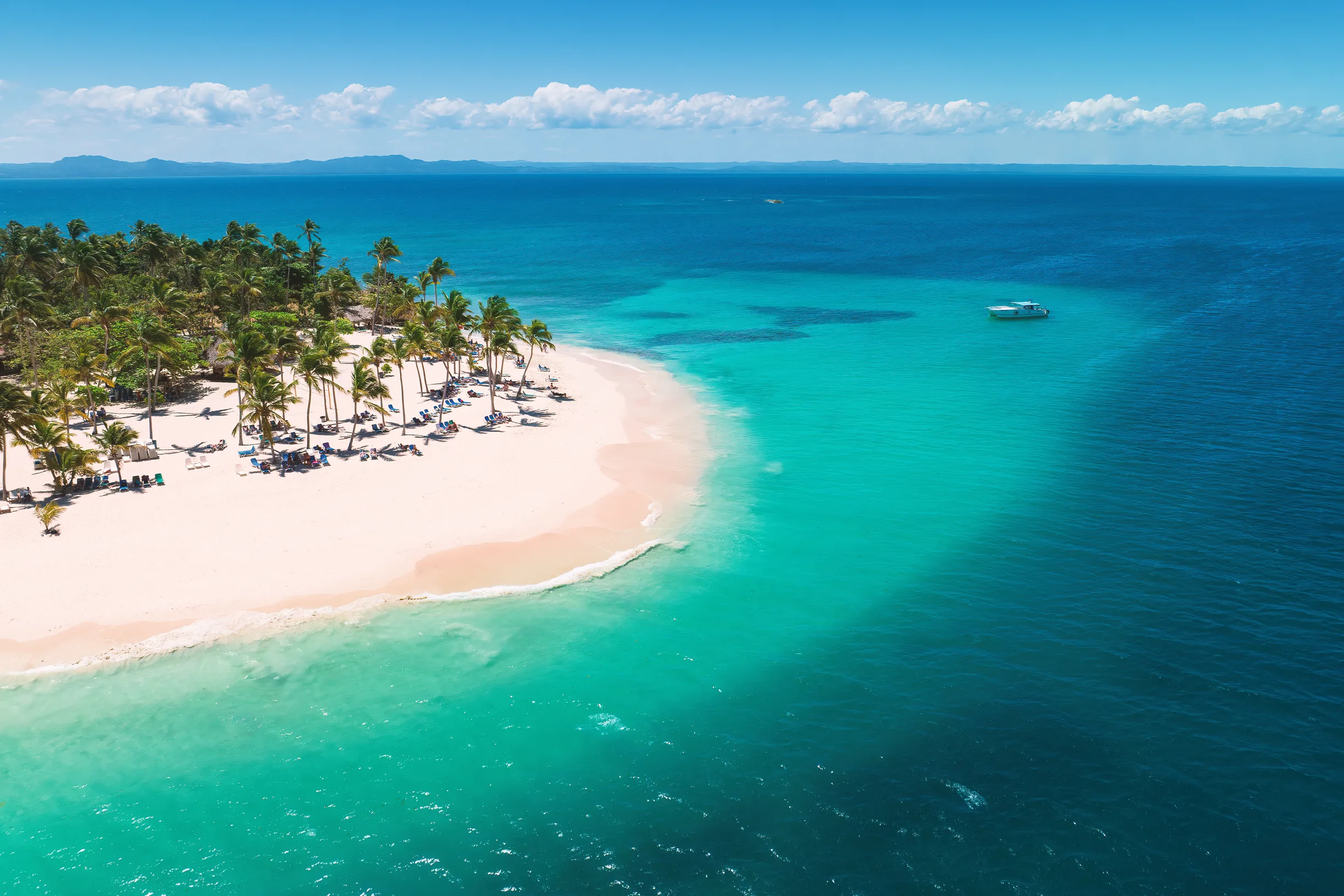
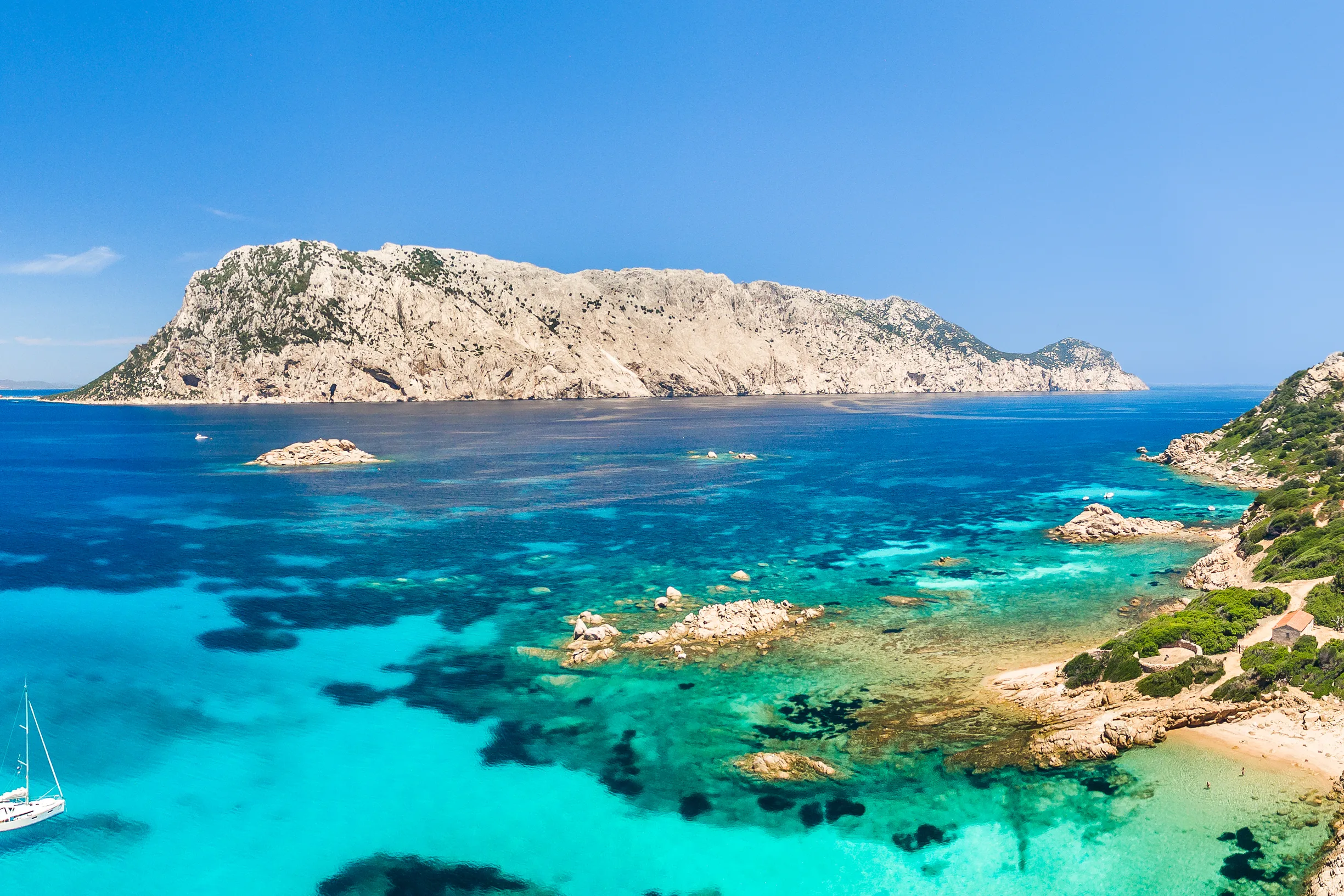
You want a stronger sense of passage-making, clearer and deeper blue water, and that postcard Aegean island look. Experienced crews who enjoy a brisk sail will love the Cyclades and the meltemi. Families and relaxed crews should look at the Ionian instead, which gives you Greece’s scenery and food with Croatia’s gentler conditions. The food is a genuine draw either way: fresh grilled fish, Santorini’s assyrtiko wine, and proper tavernas on islands like Kefalonia and Hydra.
A quick like-for-like week in each
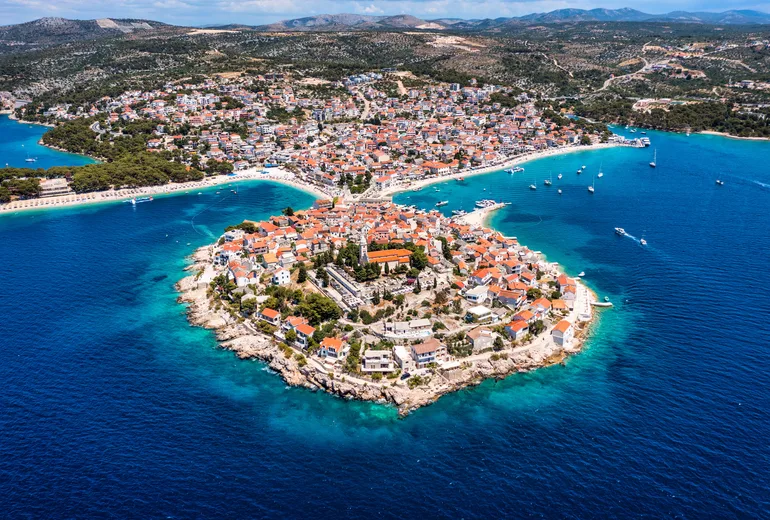
To make it concrete, picture the same crew, same boat, two countries. In Croatia from Split you might run Split, Brač, Hvar, Vis, the Pakleni islands and back, roughly 90-110 NM over the week with short, comfortable days and lively evenings ashore. Most legs are under three hours, so you spend more time anchored than under way. In Greece from the Ionian base of Lefkada you would loop through Meganisi, Ithaca, Kefalonia, Atokos and the Sivota bays, similar mileage but with bigger anchorages, fewer marinas, and more nights swinging on the hook under the stars.
The texture of the two weeks is genuinely different. Croatia feels like town-hopping with the boat as your transport: you berth in a marina or stern-to on a town quay most nights, walk to dinner, and wake up in the next harbour. Greece, especially the Ionian, feels more like a sailing trip with civilisation on the edges: you anchor in a quiet bay, dinghy ashore to a taverna, and the boat is the centre of the day rather than a means to a restaurant. Neither is better; they simply suit different moods.
For full route options on each side, our Croatia sailing guide for 2026 and the companion Greece sailing guide for 2026 lay out the bases, itineraries and seasons in detail.
Best time to go in each country
Timing shifts the calculation. Croatia’s sweet spots are late May to mid-June and the first three weeks of September: warm water, manageable crowds and lower rates. Greece’s shoulder weeks are similar, with the bonus that the meltemi is milder in June and September than in the dead of summer, making the Cyclades far more approachable. If your dates are flexible, you can read how rates move month by month in our best time to sail the Mediterranean guide.
Frequently Asked Questions
Is Croatia or Greece cheaper for a sailing holiday?
Croatia is generally cheaper, by roughly 20-30% for a like-for-like boat in a like-for-like week, mainly because the Adriatic has the largest charter fleet in the Mediterranean. The gap is widest in peak summer and narrows in the shoulder months of May, June and late September.
Is Croatia or Greece easier to sail for beginners?
Croatia is the easier choice for first-timers, with short hops between islands and the gentle afternoon maestral breeze. In Greece, the Ionian islands offer similar beginner-friendly conditions, while the Cyclades with the strong meltemi are better left to experienced crews.
What is the difference between the maestral and the meltemi?
The maestral is Croatia’s mild thermal sea breeze, usually 10-18 knots in the afternoon and calm by evening. The meltemi is Greece’s strong northerly in the Aegean, often 20-30 knots for days at a time in July and August. One is relaxing, the other is demanding.
Which has better food and scenery, Croatia or Greece?
It is close. Croatia offers walled old towns, pine-fringed coves and excellent konoba seafood; Greece offers whitewashed island villages, deeper blue water and classic tavernas with local wines like assyrtiko. Most crews pick on price and wind rather than scenery, since both deliver.
Still deciding between the two coasts? Compare live boats and prices for both countries side by side on the Boat4You charter search and see which week fits your budget best.
Selbst segeln — empfohlene Routen
Alle Routen für Split ansehen →
Kaštela → Dubrovnik → Kaštela (14 Days)
14-Day Kaštela to Dubrovnik Round-Trip Yacht Route
Tag für Tag ansehen →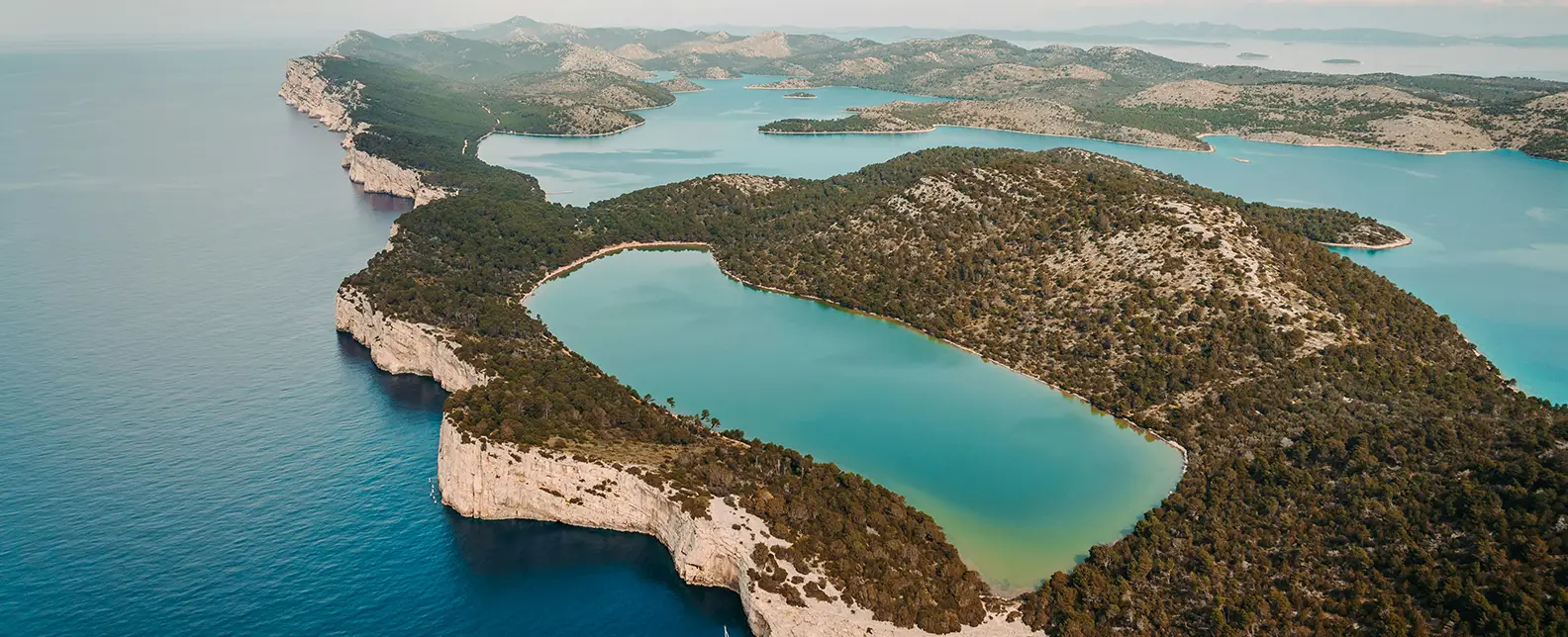
Kaštela → Kornati → Krka
Kaštela to Kornati & Krka 7-Day Yacht Route
Tag für Tag ansehen →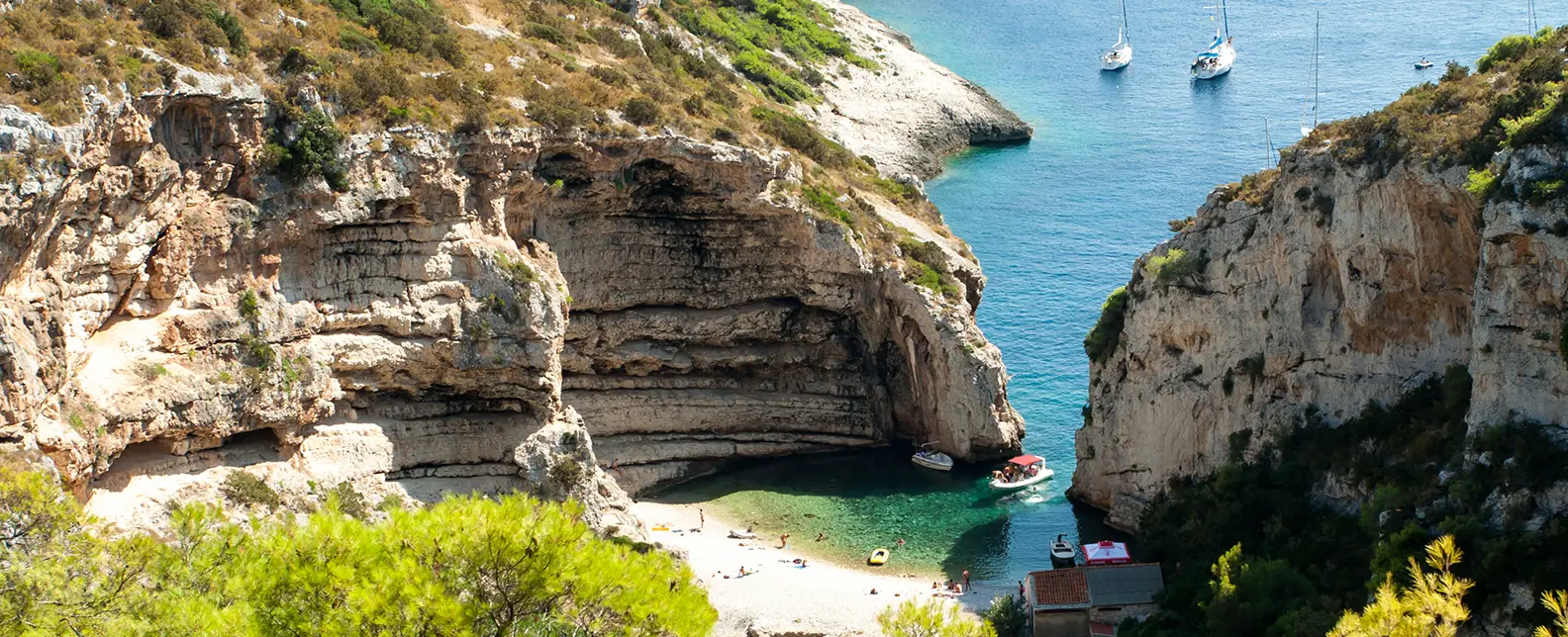
Kaštela → Vis → Korčula → Hvar
7-Day Kaštela to Vis, Korčula and Hvar Yacht Route
Tag für Tag ansehen →Ideen für Ihren nächsten Segelurlaub
Mehr als 40 Länder für Bootsverleih & Yachtcharter zu den besten Preisen