Saronic Gulf Sailing Guide: Aegina, Poros, Hydra & Spetses
Updated May 2026.
The Saronic Gulf is the cruising ground southwest of Athens — Aegina, Poros, Hydra, Spetses, the Argolic mainland — and the easiest week of sailing in Greece. Distances are short, the meltemi doesn’t reach this far south, and the islands are individual enough to make each overnight feel different. This is the route most charter companies push to first-time Greek sailors, and the recommendation is correct.
The Saronic islands, ranked by character
Aegina is the largest and the most workmanlike. The town is busy, the harbour is deep, the Temple of Aphaia on the east coast is the cultural stop. A reliable Day-1 anchorage from Athens.
Poros is the prettiest. The narrow channel between Poros island and the Peloponnese mainland is 200 metres wide, lined with neoclassical buildings, and completely sheltered. The clock-tower hill at Poros chora gives the best view of the gulf.
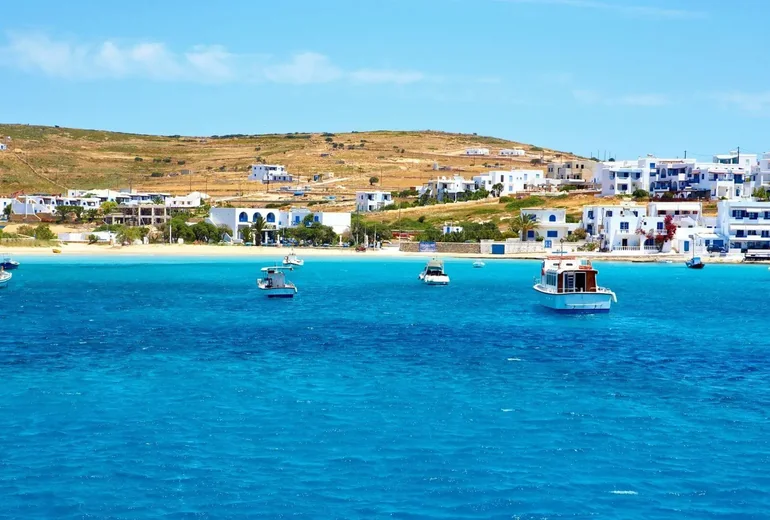
Hydra is the famous one. No cars, narrow stone harbour, an artist colony since the 1960s, and the prettiest single town on the gulf. The harbour fills by 13:00 in season.
Spetses is the southern bookend. Less Cycladic in feel than Hydra, more Venetian-Greek hybrid. Two harbours — the old Dapia harbour at the north and the small bay at Baltiza on the southwest. Both work for charter mooring.
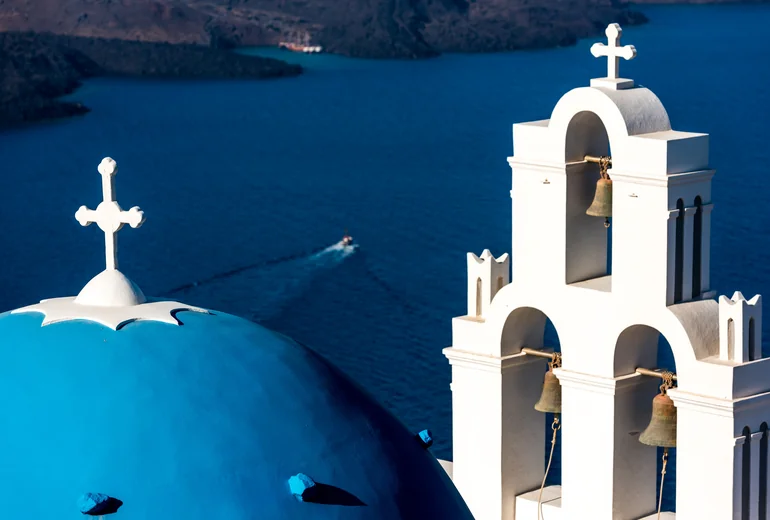
The Argolic detour
The Saronic Gulf opens west into the Argolic Gulf, where Nafplio sits 32 NM from Spetses. Nafplio is the prettiest mainland Greek town on the water — Venetian fortifications, neoclassical waterfront, an old town the size of three city blocks. The Argolic detour adds two longer sailing days to a Saronic week and is worth every mile.
When to sail the Saronic
May–June — water at 19–22 °C, anchorages empty, light wind. Excellent for first charters.
July–August — peak season but manageable. Hydra fills by 13:00 in summer; the rest of the gulf is workable later.
September — sea at 24 °C, schoolkids gone, prices off-peak. The single best window.
October — shoulder season. Daytime good, nights cool. Some konobe close after October 15.
Charter bases
Alimos is the standard pickup — the largest charter marina in Greece, 30 minutes from Athens International. Most Saronic charters start here.
Lavrio is the eastern alternative — slightly closer to the Cyclades for crews planning a longer route, but a longer transfer from the airport (90 minutes vs 30).
Mooring formats
Saronic moorings vary by stop. Aegina has a deep town harbour with stern-to mooring on the breakwater. Poros has the channel quays — stern-to with bow-line to a buoy. Hydra has the famous tight stern-to harbour, harbour-master directed. Spetses uses the Dapia town quay (busy) or Baltiza (quieter). Anchoring is permitted in most bays outside the towns.
Restaurant scene and provisioning
Each Saronic town has reliable provisioning (Aegina, Poros and Spetses have full supermarkets; Hydra has small shops only — provision before you arrive). Notable konobe:
— Konoba Pelagos, Aegina: seafood, harbour-front.
— Caravella, Poros: long-running, traditional.
— Sunset, Hydra: the highest-rated dinner on the island.
— Patralis, Spetses: seafood, terrace, walking distance from Baltiza.
What kind of boat fits the Saronic
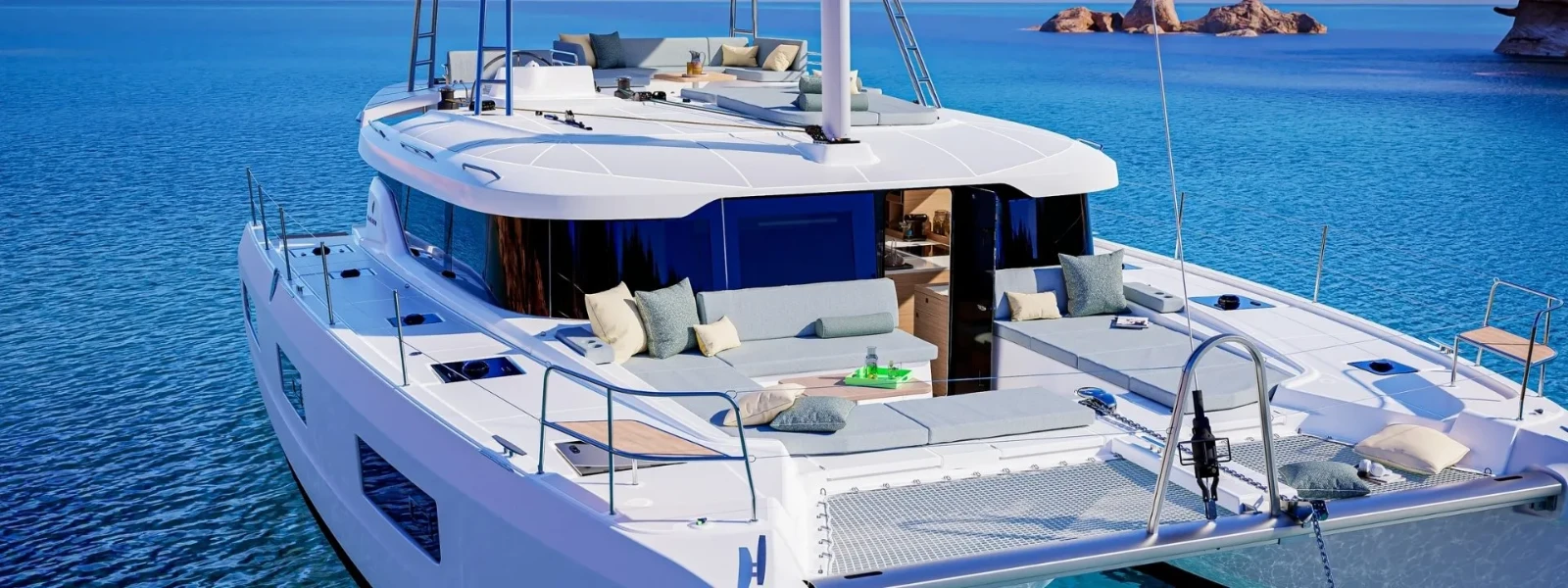
Both monohulls and catamarans work. Catamarans dominate the family-charter fleet at Alimos, mostly because of the 7+ person crew formats common in Greece. Monohulls remain the better value for couples and small groups. See the catamaran vs monohull guide for the full trade-off.
How most charters use the Saronic
The standard week from Alimos is Aegina → Poros → Hydra → Spetses, with the optional Nafplio detour adding two days. Distances inside this loop are 15–25 NM, all manageable. Less-experienced crews skip the Argolic and spend two nights each in Hydra and Spetses; more-experienced crews push to Nafplio and back.
Frequently asked questions
Is the Saronic the best Greek charter for beginners?
Yes — together with the Ionian. Distances are short, the meltemi doesn’t reach this far south, and bailout anchorages are everywhere.
Should I include Nafplio?
If you have a flexible crew, yes — it’s the most beautiful mainland Greek town on the water. If you want a relaxed week, skip it and add a second night in Hydra.
How early do I need to arrive in Hydra?
By 13:00 in July and August. After that, the line of charter boats waiting for stern-to mooring backs up out of the harbour entrance. Late arrivals overnight at Mandraki, 1 NM east, with a tender into town.
Can I sail one-way Saronic to Cyclades?
Yes — Lavrio to Mykonos in one direction, with a 24-hour overnight or a 2-day push via Kea and Kythnos. Most operators offer one-way charters with a 25–40% upcharge.
What’s a realistic 2026 budget?
A 45-foot bareboat monohull from Alimos in late June 2026 runs €5,000–7,000 plus €1,000–1,500 per crew. Marina nights are €30–80 in working harbours.
What to do on a calm day in the Saronic
Saronic charters get more calm days than any other Greek cruising ground; the meltemi is mostly a Cyclades story. On a glassy mid-week day with the engine on, the smart move is to visit the inland sites by tender or scooter. From Aegina, the Temple of Aphaia is a 20-minute scooter ride and one of the best-preserved Greek temples in the country. From Poros, the inland walking trails to the Temple of Poseidon ruins are a half-day. From Hydra, the donkey-track walk to the Saint John monastery on the inland ridge is a 90-minute round trip. From Spetses, the old-town walking tour takes a full afternoon. None of these are essential but they turn a calm day from a sailing-frustration into a cultural plus.
Money, provisioning and the Saronic operational setup
Provisioning at Alimos is straightforward — the Sklavenitis at the marina entrance handles the substantial week. Aegina and Spetses have full supermarkets; Poros has a Sklavenitis 5 minutes from the harbour; Hydra has small village stores only. ATMs work everywhere except deep inside Hydra’s old quarter. Most konobe accept cards; tip in cash. Budget €100–130 per crew member for groceries plus €30–50 per dinner ashore — the Saronic is the cheapest Greek charter ground for incidentals.
The right pattern for non-sailing crew members
The Saronic carries more non-sailing crew members than any other Greek cruising ground — partners who came for the swim and the food, kids, retired parents, friends from the office. The right pattern: shorter sailing days (3 hours under sail, not 6); frequent swim stops (one mid-morning, one mid-afternoon); early dinners ashore (most non-sailing crew prefer 19:30–20:30, not the late-Greek 22:00 standard); cultural stops on at least three of the days (Aegina’s Aphaia, Hydra’s monastery walk, Spetses’s old town). The Saronic rewards a relaxed pace — the cruising ground itself is small, so distance covered isn’t the goal.
The cost stack: actual numbers for a Saronic week
For a 7-day Saronic week with 6 crew on a 45-foot monohull from Alimos: boat charter €5,200 + fuel €280 + marina overnights (3 × €60) €180 + port taxes €110 + provisioning €580 + dinner ashore (5 × 6 × €38) €1,140 + incidentals €120 = ~€7,610 total, €1,268 per person. The Saronic is the most cost-efficient 7-day Greek charter — slightly cheaper than the Cyclades, materially cheaper than the Ionian’s high-end fleet.
Explore boats
Boats you can charter in the places this article covers.
Ideas for your next sailing vacation
Boat rental & yacht charter around the world at the best prices