7-Day Sailing Itinerary from Kos: A Dodecanese Week with Kalymnos & Leros
Updated May 2026.
Kos sits in the centre of the Dodecanese — the chain of Greek islands between Rhodes and Samos, hugging the Turkish coast. Distances between islands are 10–25 NM, the meltemi is steadier than in the Cyclades but less severe, and most anchorages have working harbours rather than open bays. This is a quieter alternative to the Cyclades and a more challenging alternative to the Saronic.
Day 1 — Kos Marina to Pserimos (8 NM)
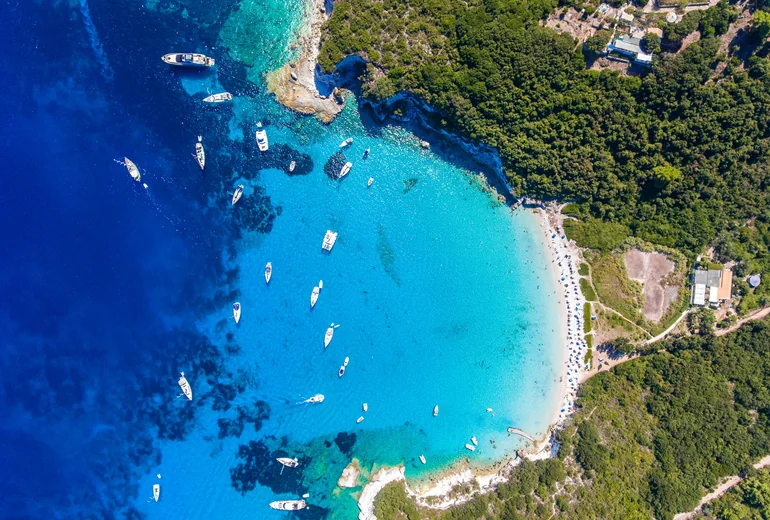
Pickup at Kos Marina, 15 minutes from the airport. The first short leg is to Pserimos, a tiny island halfway to Kalymnos with a single white-sand beach and three tavernas. The bay anchors well in 5–8 metres on sand. This is a “warm-up” first night — don’t push for distance on Day 1.
Day 2 — Pserimos to Pothia, Kalymnos (10 NM)
Pothia is the working capital of Kalymnos — a sponge-diving port with a deep, fully-sheltered harbour and an authentic Greek-island town not yet polished for tourists. Moor stern-to on the town quay (no marina). Walk up to the Castle of the Knights of St John for the sunset. Pothia is the best dinner stop of the week — Konoba Pandelis or Mikra Asia for traditional food.
Day 3 — Kalymnos to Lakki, Leros (18 NM)
The longest commitment of the week and the best sail. Lakki on Leros is one of the deepest and most sheltered natural harbours in the Mediterranean. The town has Italian Art-Deco architecture from the inter-war period — unusual on a Greek island, the result of Italian occupation in the 1920s and 30s. There’s a small marina (Agmar Leros) and a working town quay.
Day 4 — Leros to Patmos (16 NM)
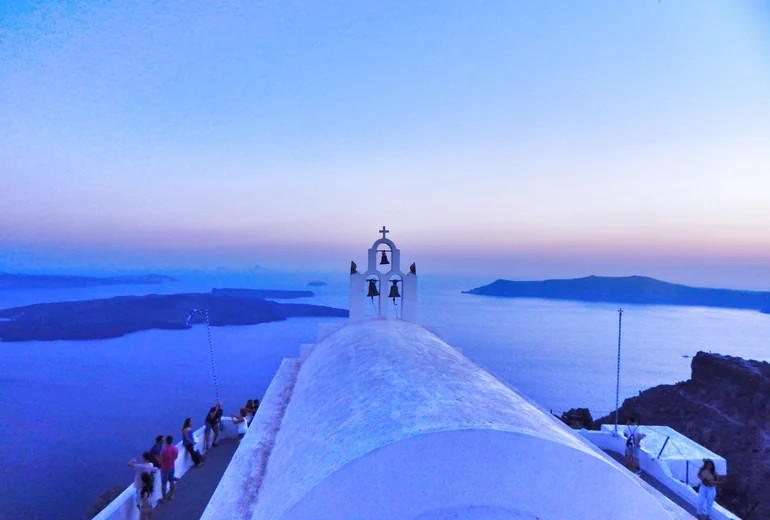
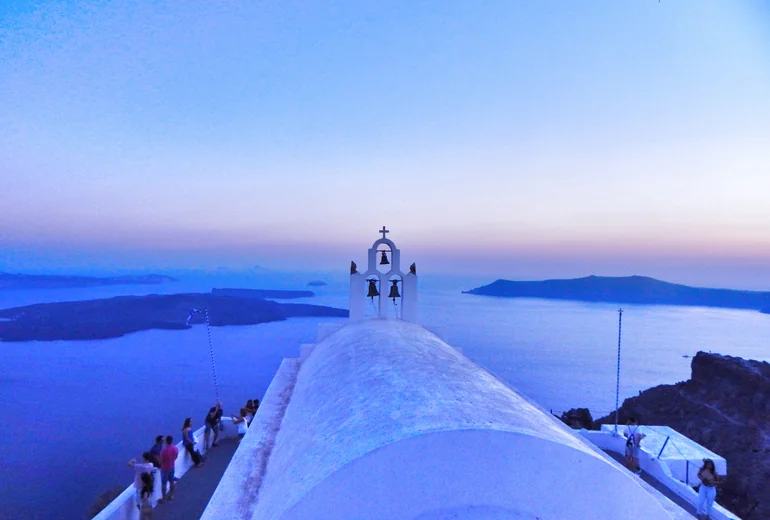
Patmos is the religious island — the Monastery of St John dominates the hilltop, and the cave where the Book of Revelation was reportedly written sits below it. The harbour is at Skala on the east coast. Anchor offshore or take a buoy; the small town quay fills early. Patmos is the cultural highlight of a Kos charter.
Day 5 — Patmos to Lipsi (10 NM)
A short morning sail to Lipsi, a quiet island with a pretty natural harbour and almost no charter traffic. Lipsi is a swim-and-eat day — beach at Platis Gialos in the morning, dinner at Karnayo or Pyrgos in the evening. The harbour is well-protected from the meltemi.
Day 6 — Lipsi to Marathi or Arki (5 NM) and back to Kalymnos (15 NM)
A swim stop at Marathi (a tiny private island with one taverna and a sand-bottom anchorage), then onward southeast to a Kalymnos overnight. The choice is Vathy on Kalymnos’s east coast (a fjord-like inlet) or back to Pothia for a second night. Vathy is the prettier choice.
Day 7 — Kalymnos to Kos Marina (15 NM)
Direct return on the typical northwesterly. Aim for a 13:00 arrival at Kos Marina to give the handover team time. Fuel up at the marina fuel dock before docking.
Total distances and difficulty
Approximately 105 NM across the week — comparable to the Saronic but with more open-water sailing between islands. Meltemi conditions can build to 25–30 knots in mid-July; a Day-3 weather check is sensible before committing to the Leros leg. Bailouts (Kalymnos, Leros, Lipsi) are spaced well enough that you’re never far from a sheltered harbour.
Optional Greek-Turkish border crossing
Kos to Bodrum is 11 NM — Türkiye’s main charter base is closer than most Dodecanese islands. Border-crossing charter routes are technically possible but operationally heavy: Greek exit clearance, Turkish entry, transit log, the reverse on return. Most operators won’t permit it on bareboat. We cover the trade-offs in the Türkiye sailing guide.
Frequently asked questions
Is the Dodecanese harder than the Saronic?
Slightly — longer legs, real meltemi exposure, more open water. Easier than the Cyclades. A second-charter destination.
Can I add Rhodes to this route?
Yes, but it adds 70 NM round-trip and at least two nights. Most operators offer a one-way Kos → Rhodes itinerary as a 10-day or 14-day package.
How crowded does Patmos get?
Patmos in August is busy but never Mykonos-level. The town quay fills by 18:00; mooring buoys offshore are available later.
Should I worry about the meltemi in this area?
Less than in the Cyclades, but yes in mid-July to late August. Wind speeds of 25–30 knots are common, and the Kalymnos-Leros leg is exposed. Reschedule if forecasts go above 30 knots.
What’s a realistic 2026 budget?
A 45-foot bareboat monohull from Kos in late June runs €4,500–6,500. Marina overnights are €40–80 in working harbours. Add €1,000–1,500 per crew for fuel, mooring buoys, port taxes and provisioning.
What to know about the meltemi-driven daily schedule
The Dodecanese meltemi is steadier than the Cyclades version — typically 20–25 knots from the north in mid-July and August, with calmer mornings and evenings. The right Dodecanese rhythm is early starts: leave at 07:00–08:00, sail in the calmer morning, arrive at the next anchorage by midday. Afternoons are for swimming, lunch, walking ashore. Evening dinner ashore is typically after 20:00 when the wind drops. Crews who try to sail in mid-afternoon get punished by the build-up; crews who plan around the morning window enjoy the route.
The single best stops on this route
Three stops stand out on a Kos week. Lakki, Leros is the Italian Art-Deco harbour town — unusual on a Greek island, a result of inter-war Italian occupation. Patmos is the cultural centre — the Cave of the Apocalypse and the Monastery of St John dominate the hilltop above Skala. Lipsi is the quietest — small harbour, family-run tavernas, almost no charter traffic, the best swim beaches at Platis Gialos and Hochlakas. Patmos justifies a second night; Lipsi rewards a slow afternoon ashore.
The Dodecanese cultural side trips worth the half-day
The Dodecanese have stronger archaeological credentials than most Aegean island groups. Worth a planned half-day each: Asclepion of Kos (the original Hippocratic medical centre, 4 km from Kos Marina, 25-minute scooter ride); Patmos Monastery of St John the Theologian (book a guided tour from Skala, 2 hours including the cave); Lakki’s Italian Art-Deco architecture walk on Leros (self-guided, 90 minutes, picks up the inter-war Italian colonial period); Kalymnos sponge-fishing museum in Pothia (small but interesting, 45 minutes). Build at least one cultural stop into the week or it becomes a swim-and-eat blur.
Money, provisioning and the Dodecanese quirks
Provisioning at Kos Marina is via the AB Vassilopoulos at the marina entrance. Pothia (Kalymnos) and Lakki (Leros) have full supermarkets; Patmos’s Skala has a small Sklavenitis; Lipsi has village shops only. Most konobe accept cards; cash for tips and small purchases. ATMs work everywhere except Lipsi (where one ATM is sometimes empty in peak season — bring €100 in cash). Greek port taxes (TEPAI) are calculated per metre of boat per day and added to the final invoice; budget €120–180 for a 45-footer for the week.
Explore boats
Boats you can charter in the places this article covers.
Sail it yourself — suggested itineraries
View all Cyclades itineraries →
Ideas for your next sailing vacation
Boat rental & yacht charter around the world at the best prices