The Caribbean Sailing Resume: Charter Without a License — What Operators Actually Check
No, you do not need a formal sailing license to bareboat charter in the Caribbean. There is no Caribbean equivalent of the RYA or ICC requirement that European operators ask for, and in most of the islands no government certificate is checked at all when you take a boat.
What operators check instead is your caribbean charter sailing resume — a plain summary of the boats you have skippered, where, and how recently. Get that right and a 45-foot catamaran in the British Virgin Islands is yours for the week. Get it wrong, or leave it vague, and the base manager quietly assigns you a paid skipper for the first day, or for the whole trip.
Why the Caribbean charter scene runs on sailing resumes, not certificates
Most Caribbean bareboat fleets are American-owned or American-influenced — Moorings, Sunsail, Dream Yacht and the independent BVI operators all grew up serving a US market where recreational sailing has no national licensing scheme. So the industry settled on a different gatekeeper: the sailing resume, sometimes called a sailing CV or float plan.
The logic is simple. A laminated card proves you sat an exam once; a resume tells the base whether you have actually handled a boat like the one you are about to take, in conditions like the ones you will meet. In practice the second question matters far more when the anchorage is open to Atlantic swell and the channel between islands funnels 20 knots most afternoons.

This is also why Europeans sometimes get caught out. You arrive in Tortola with a perfectly valid ICC, assume that settles it, and then the check-in form asks for your last three charters with boat lengths and dates. The certificate helps — it never hurts to attach it — but the resume is the document that gets read line by line.
What goes on a Caribbean charter sailing resume that operators check
After enough check-ins you start to see the same handful of filters. None of them are secret, but few operators publish them clearly, so here is what tends to decide whether you sail away bareboat.
Similar boat, within about 5 feet
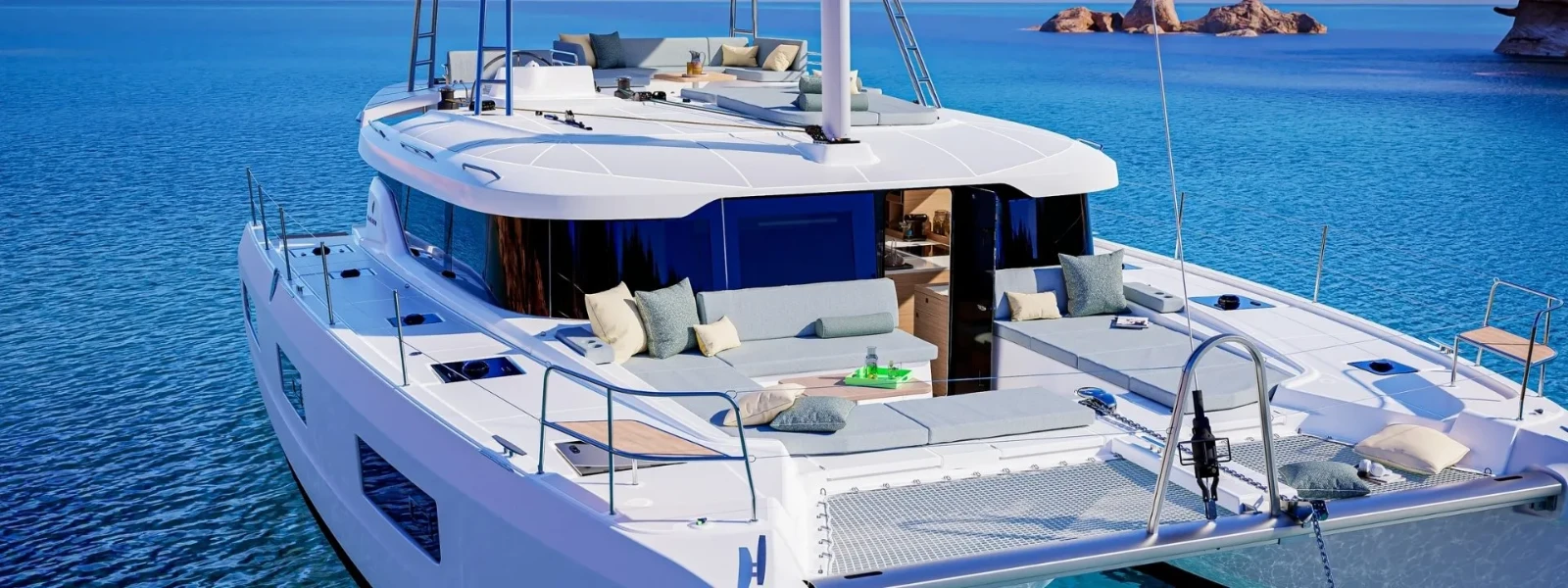
If you are booking a 46-foot cat, the base wants to see that you have skippered something in roughly the 40-to-50-foot range. A lifetime on a 32-foot monohull does not automatically clear you for a wide catamaran with twin engines and a 23-foot beam — the docking, the bridle, the windage are all different. The rough rule most managers apply is “within five feet of the chartered length, same general type.” Cat time counts strongly toward a cat booking.
Experience within about 5 years
Recency carries weight. A skipper who crossed Biscay in 1998 but has not held a helm since reads as rusty, and the base knows that muscle memory fades. List charters from the last five years if you have them. If your most recent trip was longer ago, say so honestly and offer to take a briefing skipper for the first morning — it costs less than you think and reads far better than a padded resume.
Role, not just presence
“Crewed a week in the Ionian” tells the base nothing about whether you can anchor stern-to or read a lee shore. Specify the role: skipper, co-skipper, or watch leader. Operators want to know you have made the decisions, not just trimmed a sheet while someone else worried about the weather.
How Europeans translate ICC, RYA and national tickets
Your European paper is an asset — it just is not the whole story. Here is how to make it land.
Attach the certificate as a PDF and then write the resume as if the certificate did not exist. An ICC with the coastal and the catamaran endorsement is worth listing explicitly, because some insurers do reference it. RYA Day Skipper or Yachtmaster lines impress base managers who recognise them, and the Yachtmaster practical in particular signals real sea time. French permit hauturier, German SKS, Croatian Boat Leader licences — name them, but back each one with a charter line that shows you used it.
The single most persuasive thing a European can add is a reference from a previous charter operator. If you sailed bareboat in Croatia last summer through a broker, ask them to confirm the booking and the boat. Operators trust other operators. A genuine charter history, even on the far side of the Atlantic, beats a stack of certificates with no recent water under them. If you are still untangling which papers matter where, our guide to whether you need a sailing license to charter across the Mediterranean sets out the country-by-country picture that European charterers usually start from.
Writing a resume that gets you the bareboat
Keep it to one page. A clean table beats a paragraph of prose every time, because the person reading it is busy and skims. For each entry give the year, the cruising area, the boat make and length, the boat type, and your role.
- 2025 — British Virgin Islands, Lagoon 46 catamaran, skipper, 7 nights
- 2024 — Saronic Gulf, Greece, Bavaria 46 monohull, skipper, 7 nights
- 2023 — Kornati, Croatia, Lagoon 42 catamaran, co-skipper, 10 nights
Then a short line of qualifications (ICC coastal + cat endorsement, RYA Day Skipper), and one line of relevant skills: stern-to mooring, anchoring in 10–15 m, night passage, engine basics. That is enough. Padding the document with a weekend dinghy course from twenty years ago dilutes the strong entries, so leave it off.
What happens at check-in, and the skipper safety net
On arrival the base reviews your resume against the boat, then runs a boat briefing and usually a short technical handover — through-hulls, electrical panel, dinghy, watermaker if fitted. Many BVI and Grenadines bases also do a “checkout sail” where a staff skipper rides along for an hour to watch you set sail and pick up a mooring ball. Treat that as normal, not an insult; it is the base confirming the resume matches the helm. If you are unsure how the booking and verification side works through a broker, our overview of how Boat4You works with charter bases explains where the resume fits in the process.
If the match is borderline, the standard outcome is not a refusal but a professional skipper for the first day — roughly US$150–250 a day in most fleets, sometimes folded into a “skipper briefing” fee. For nervous first-timers in Caribbean conditions that is money well spent: you learn the local moorings, the National Park rules, and the wind pattern with a pro aboard, then sail the rest of the week yourselves. Booking a skippered versus bareboat charter on purpose is a perfectly good call if your resume is thin and you would rather relax than prove yourself.
Where the rules tighten — and where they barely apply
The Caribbean is not uniform. The British Virgin Islands are the most resume-driven, partly because the fleet is enormous and the cruising ground is forgiving enough that operators will take a chance on a solid CV. The Grenadines — Tobago Cays, Bequia, Mayreau — demand a bit more genuine anchoring experience, because moorings are fewer and the swell finds you. The French islands (Martinique, Guadeloupe, Les Saintes) sometimes ask to see an ICC or national permit on top of the resume, since charter law there leans on the European framework.
Wherever you sail, the operator’s own insurance policy is the real authority. The base manager is not inventing hurdles; they are reading a list their underwriter wrote. That is exactly why a concrete, recent, like-for-like resume opens doors that no single certificate can. To see how the same booking-readiness questions play out before a winter trip, our look at when to book a Caribbean winter charter covers the timing side of getting the boat you want.
Frequently Asked Questions
Do I legally need a license to charter a boat in the Caribbean?
In most Caribbean charter destinations, no government license is legally required for a private bareboat charter. The French islands can be an exception and may ask for an ICC or equivalent. Everywhere, though, the operator decides who sails based on your sailing resume and their insurer’s rules.
What goes on a sailing resume for a Caribbean charter?
List your recent charters with year, area, boat make and length, boat type, and your role aboard. Add your certificates and a short line of relevant skills like stern-to mooring and anchoring. One clean page is ideal — recent, like-for-like experience matters more than length.
I have an RYA or ICC certificate. Is that enough on its own?
It helps, and it is worth attaching every time, but Caribbean operators read the resume first. A certificate plus a couple of recent charters on a similar-sized boat is the combination that clears you for bareboat. With no recent sailing, expect a checkout sail or a first-day skipper.
What if my experience doesn’t match the boat I want?
You will usually be offered a professional skipper for the first day, around US$150–250, or for the full week. It is not a rejection — it is the standard way bases bridge the gap. Many crews use that first day to learn local moorings and then sail bareboat for the rest of the trip.
Does catamaran time count differently from monohull time?
Yes. If you are booking a catamaran, recent catamaran experience is weighted heavily because the handling, docking and windage differ from a monohull. Plenty of monohull time still helps, but a couple of recent cat charters on your resume make the booking much smoother.
Ready to put your resume to work? Browse available Caribbean bareboat catamarans and monohulls and our team will help you match your experience to the right boat and base before you ever fill in a check-in form.
Navégalo tú mismo — itinerarios sugeridos
Ver todos los itinerarios de British Virgin Islands →
Ideas para tus próximas vacaciones de navegación
Más de 40 países para alquiler de barcos y chárter de yates con los mejores precios