Your search
Mallorca
143
boats available · live
500 € – 200,000 €
500 €200K €
1 – 42 guests
142
0 – 42 berths
042
14.76 – 56 m(48–184 ft)
14.76 m56 m
2000 – 2028
20002028
0 – 20 toilets
020
5 – 7,296 hp(4–5,436 kW)
5 hp7,296 hp
Prices shown are each boat's cheapest available 7-night week. Choose your dates for exact prices.
Mallorca is the Balearic Islands' largest landmass and arguably the Mediterranean's most versatile sailing destination. It combines everything: protected bays for casual anchoring, open passages for serious sailors, dramatic coastlines for pure scenery, and some of Europe's finest marina infrastructure. The island sits perfectly positioned to explore both its own intricate geography and the broader Balearic waters—Menorca lies 30 nautical miles north, Ibiza roughly 80 miles southwest, and Cabrera Archipelago presents a day's sailing south. Whether you're chartering your first boat or returning for your fifth visit, Mallorca offers something different each season.
What makes Mallorca distinctive as a charter destination is the sheer density of good anchorages, the reliability of summer thermal winds, and the genuine sailing tradition embedded in the island's culture. You're not sailing through a resort zone; you're sailing where locals actually sail. The bay of Palma alone can occupy a week of exploration, while the island's circumnavigation—particularly if you include Cabrera—takes 7–10 days of measured sailing. Mountain backdrops, underwater clarity, and villages barely touched by tourism create the sense that you've discovered something rather than simply consumed a pre-packaged experience.
Mallorca measures approximately 100 kilometers east–west and 75 kilometers north–south, with a coastline of roughly 550 kilometers broken into distinct sailing zones. The Serra de Tramuntana dominates the northwestern flank—a UNESCO World Heritage mountain range that drops directly into the sea, creating the kind of dramatic cliff scenery you see in photographs. Towns like Sóller and Deià nestle in this alpine landscape, and anchorages like Sa Calobra offer some of the Mediterranean's most visually striking overnight stops.
The eastern and southern coasts present the opposite character: gentler, lower-lying, riddled with protected coves (calas) and shallow bays. This is where you find Cala d'Or, Cala Figuera, and Cala Mondragó—places where you can anchor in 8 meters, wade to white sand, and feel genuinely isolated despite being on Europe's busiest sailing island. The bay of Palma sweeps across the southern face, wide and well-sheltered, the natural gathering point for the island's charter industry and the entry point for most sailors arriving by flight into Palma airport.
Palma is the hub, but calling it that undersells it. The capital hosts a cathedral that rises from the waterfront like a religious warning, ramparts from the 13th century, and a restored old town that actually feels lived-in rather than curated. The marina ecosystem here is extraordinary: Club de Mar Palma handles large yachts and serious racing sailors; Marina Port de Mallorca offers central positioning; Port Adriano, designed by Philippe Starck, combines functionality with design-forward glamour. You can spend a day exploring Palma's waterfront, provisioning properly, and still have time to sail the bay before sunset. Most Mallorca yacht charter itineraries begin or end here simply because the infrastructure is unmatched.
Sóller sits on the northwest coast beneath the Serra de Tramuntana, protected by a narrow harbor entrance that feels like sailing into a painting. The town itself—accessed by a wooden tram from the mountain—retains a bohemian identity. Anchorage is tight and occasional, but day-sails into Sóller's bay allow you to avoid overnight mooring and still experience the light, the mountains, and the general atmosphere of authentic island living. It's a psychological waypoint on any extended charter, the moment where sailing feels purposeful rather than leisurely.
Cabrera lies roughly 25 nautical miles south of Colònia de Sant Jordi and represents a deliberate detour rather than a casual stop. The archipelago consists of a main island surrounded by seventeen islets, protected as a national park with strict regulations: daily visitor caps, permit requirements, limited mooring buoys, and seasonal restrictions. The bureaucracy is genuinely worth navigating. The water clarity rivals the Caribbean, the anchorages on Cabrera proper are supremely sheltered, and the experience of being in a genuine no-tourism zone—just a few boats, ruins, and Mediterranean silence—justifies the planning overhead. Most competent charterers make this happen at least once.
On the eastern coast, Cala d'Or is a yacht-centric town without being a resort parody—marinas, chandleries, restaurants, and genuine sailing infrastructure, but the surrounding waters remain tranquil. Multiple protected coves branch off the main harbor. It serves as a natural waypoint when sailing counterclockwise around the island, and the combination of good facilities and good anchorages nearby makes it a practical overnight stop or a base for exploring the southeastern cala coastline.
Porto Cristo occupies a deep, well-protected bay on the eastern shore, historically significant as a fishing harbor and now a mixed-use town. Limestone caves (Coves del Drach and Coves dels Hams) sit nearby for those interested in off-boat activities. The harbor itself can accommodate larger yachts, and the bay structure means excellent protection from easterly weather. Many charterers use Porto Cristo as a transit point between the developed southeast coast and the wilder southern waters.
The northern coast presents a different character—less dramatic than the northwest mountains, less intricate than the southern calas, but offering reliable wind patterns and straightforward sailing. Pollença is the upscale town version; Alcúdia sits at the head of a wide bay of the same name and offers good facilities and reasonable anchorage. The waters between Mallorca's northern shore and Menorca (roughly 30 nautical miles north) represent classic medium-range sailing: open enough to feel purposeful, sheltered enough that bad conditions rarely arrive without warning.
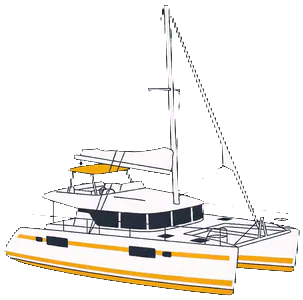
Mallorca's varied geography suits different vessels for different purposes. Catamarans dominate the modern charter market—they provide stability, twin engines for tight maneuvers in Palma's crowded anchorages, and spacious accommodations. The trade-off is that they're slower and less engaging in light wind. Sailing yachts, particularly Monohulls between 35 and 50 feet, make genuine sense on Mallorca because the summer thermal patterns (Embat wind from the southwest) are reliable enough that motor sailing becomes optional rather than essential. Smaller sailboats and daycruisers work brilliantly for week-long explorations if your crew is comfortable with modest accommodations and anchor-to-anchor sailing.
Motor yachts suit specific occasions—family groups prioritizing comfort over sailing experience, or clients interested in exploiting Mallorca's strategic position to reach Menorca, Ibiza, or the Spanish mainland (roughly 120 nautical miles northwest to Barcelona) without sailing. Luxury charter options abound through Mallorca's premium marinas and broker networks. If you're uncertain about vessel type, Boat4You can help match your goals to appropriate options: search available Mallorca yacht charter boats to see what actual fleets offer for your intended dates.
Club de Mar Palma remains the most prestigious marina—built in 1929, it hosts regular racing events and maintains exacting standards. Expect higher prices, excellent facilities, and a crew that speaks multiple languages and has handled every conceivable yacht emergency. Marina Port de Mallorca, more centrally located, offers similar quality at slightly lower cost. Port Adriano, Philippe Starck's design intervention from 2007, combines premium positioning with architectural distinctiveness—it's pricey but visually uncompromising and genuinely pleasant to return to each evening.
Real Club Náutico Palma serves the Spanish racing community and maintains tight moorings suitable for keelboats rather than cruising yachts. Outside Palma proper, smaller marinas dot the eastern coast: ports at Cala d'Or, Porto Cristo, and Alcúdia serve as useful secondary bases if your charter begins away from Palma airport. Most yacht charter companies offer homeport flexibility—you can pick up boats in Palma and return them to Cala d'Or, or vice versa, though one-way fees typically apply. If you're serious about Mallorca yacht charter and want professional guidance on marina selection and overall planning, Boat4You's process walks you through options and helps you avoid logistical errors that waste vacation time.
Mallorca's sailing season runs technically year-round, but summer (May–September) dominates for obvious reasons. The Embat—a reliable afternoon thermal wind from the southwest, typically 10–15 knots—kicks in most days, making the mornings light and the afternoons productive. This consistency is rare enough in Mediterranean sailing that it justifies the slightly higher summer prices and crowded anchorages. June and September offer temperature, wind, and fewer boats than July and August.
The Tramuntana, a cooler northwesterly, arrives in autumn and spring, bringing stronger breeze and occasionally rough conditions. Winter sailing is feasible—temperatures rarely drop below freezing, and dramatic weather tends to be seasonal rather than persistent—but charter availability diminishes and you must accept occasional days of being weathered in an anchorage. Spring (April–May) and autumn (September–October) represent sweet spots: adequate wind for sailing, manageable crowds, and stable enough conditions that first-time charterers can gain confidence without excessive risk.
Day 1: Collect boat in Palma (morning or early afternoon), motor across the bay to Cap Vermell or Puerto Pollença for your first night. Palma bay is sheltered and straightforward—ideal for familiarization.
Day 2: Sail north along the coast to Pollença itself or Alcúdia, exploring the less-crowded northern shore. Morning breeze will likely be light; afternoon Embat gives you forward progress.
Day 3: Continue west, rounding the northwest tip and entering the Serra de Tramuntana coast. If wind and conditions permit, push for Sóller's bay (anchorage only, as regular mooring is limited). Otherwise settle for a cove near Deià or Llucalcari.
Day 4: Return eastward along the northwest coast, heading for the Bay of Palma and an anchorage at Bendinat or Club de Mar's guest field. You've now seen the island's dramatic side and can sail back to familiar territory.
Day 5: Sail south from Palma along the eastern coast, targeting Cala d'Or (roughly 45 nautical miles). This is a full day's sail with good scenery and a protected arrival.
Day 6: Explore the calas surrounding Cala d'Or—Cala Figuera, Cala Mondragó, Cala Santanyí. Anchor daily, swim, and experience the protected cove character that defines the southeast.
Day 7: If permitted and provisioned, sail south to Colònia de Sant Jordi and prepare for a Cabrera attempt (requires additional time and planning). Otherwise begin the return westward to Palma.
Day 8 (return): Sail back to Palma in stages, or make a direct run if conditions support it. Most crews use the final day to revisit favorite anchorages or rest in Palma before returning boats and heading to the airport.
This is flexible scaffolding rather than fixed instruction. Actual routes depend on wind, crew preference, and available time. A circumnavigation incorporating Cabrera requires 10–12 days and represents a full-commitment undertaking, but it encompasses nearly every sailing character the island offers.
Sailing Mallorca without engaging the food would be like reading only every third page. Ensaimada, a spiral pastry dusted with powdered sugar, represents Mallorca's most iconic contribution to Spanish culinary identity. Pa amb oli—bread, olive oil, and tomato, sometimes with cured ham—functions as breakfast, lunch, or shore snack depending on context. Tumbet, a vegetable dish of eggplant, tomato, and pepper, embodies the island's agricultural tradition. Sobrasada, a spreadable cured pork, appears on nearly every marina restaurant menu and pairs obsessively well with white wine and anchorage views.
Binissalem, the primary wine region, produces reds from the Manto Negro grape that have moved from local curiosity to genuine respectability in the last decade. If you're interested in wine beyond what appears by default, tastings in Binissalem itself—roughly 30 kilometers northeast of Palma—can be organized as a half-day shore excursion. Flaó, a cream-filled pastry with mint, appears in most bakeries and makes an absurdly good galley dessert when acquired fresh.
Beyond food, Mallorca's cultural identity remains rooted in genuine Catalan heritage despite tourism's dominance. The island's medieval old towns (Valldemossa, Deià, Fornalutx) retain character precisely because they're difficult to access by car—arriving by dinghy or day-sail somehow makes them more real. Palma cathedral (La Seu) is worth an afternoon on foot. The island's 19th-century industrial heritage—textiles, ceramics, leather—can be explored in museums or simply observed in the architecture of towns you'll sail past.
For bareboat charter you need a boating licence recognised in Spain and valid for the yacht—the ICC or a national licence is commonly accepted, but confirm with the operator before booking—usually with a VHF radio certificate. The charter operator checks these documents at check-in; Boat4You can tell you in advance what your operator expects. If you're uncertain about your qualifications, transparency prevents complications later. Many charter companies offer skipper services, allowing you to sail without formal certification provided you hire a qualified professional to command the vessel.
Absolutely. The bay of Palma is protected, the anchorages are forgiving, and summer thermal winds mean you can rely on predictable afternoon breeze rather than wrestling unexpected conditions. Crew of mixed experience levels can comfortably manage a week anchoring among the calas or circumnavigating at a leisurely pace. That said, open-water passages (particularly the crossing to Cabrera) demand respect and basic navigation competence. If your crew lacks sailing experience, hire a skipper or choose motor-yacht options that eliminate wind dependency entirely.
June, September, and early October offer the ideal combination of temperature, wind reliability, and manageable crowds. July and August are peak season—boats are expensive and crowded anchorages are predictable. Book peak season boats 3–6 months in advance; shoulder season allows more flexibility. Search available Mallorca boats on your intended dates to see real availability and pricing rather than relying on generalizations.
Costs vary wildly by vessel type, season, and duration. A bareboat catamaran (40–45 feet) runs roughly €2,500–€4,500 per week in shoulder season, €4,000–€7,000 in peak summer. Sailing yachts tend to cost 15–20% less. Luxury motor yachts and fully crewed options operate on different economics entirely—expect €15,000+ per week for serious comfort. Ancillary costs (provisioning, fuel, mooring fees, Cabrera permits, optional skipper fees) add another €500–€2,000 depending on your approach. The most honest answer is to compare actual offers rather than rely on averaged rates.
Yes, if you have the time and your crew is competent. The national park restrictions exist for a reason—the ecosystem is fragile and the isolation is exceptional. Once-in-a-decade anchorages and underwater clarity justify the permit process and limited mooring buoys. That said, if you're on a tight schedule or your crew is learning, the southeast calas (Cala d'Or, Cala Figuera) offer similar sensory experience with none of the bureaucracy. Don't force Cabrera as an obligation; plan it as a deliberate commitment.
Mallorca succeeds because it refuses to be a single thing. It offers mountain sailing, island-hopping, protected anchorages, reliable wind, legitimate infrastructure, and enough cultural substance that you're genuinely exploring rather than simply consuming. The charter industry here is mature enough that complications are rare, yet the sailing itself remains sufficiently challenging and varied that experienced sailors stay engaged.
If you're ready to commit to a specific charter, search Spain-based boats to compare Mediterranean options broadly, or focus directly on Mallorca if your destination is fixed. Boat4You's FAQ addresses common logistics questions. For first-timers uncertain about process and decision-making, the Boat4You process walks through planning in genuine detail rather than smooth-talking you toward a sale. Mallorca deserves preparation; the reward is a week where sailing feels like the point rather than the means.
Updated October 11, 2026
Cheapest month: April 2027. Most expensive month: August 2027.
| Month | Typical week | Middle half of weeks |
|---|---|---|
| Nov 2026 | 3,705 € | 1,900 € – 9,025 € |
| Mar 2027 | 3,135 € | 2,010 € – 5,225 € |
| Apr 2027 | 3,106 € | 2,221 € – 6,318 € |
| May 2027 | 3,593 € | 2,867 € – 8,978 € |
| Jun 2027 | 4,422 € | 3,325 € – 8,978 € |
| Jul 2027 | 5,157 € | 3,895 € – 10,740 € |
| Aug 2027 | 5,196 € | 3,880 € – 11,146 € |
| Sep 2027 | 4,603 € | 3,061 € – 9,476 € |
| Oct 2027 | 3,520 € | 2,301 € – 8,032 € |
Computed every night from the 7-night charter offers of the next 12 months for the boats based here. Prices are for the boat per charter week; skipper, extras and deposit are separate, and figures based on fewer than 5 boats or offers are left out. Amounts in euros (EUR).