Your search
Istria / Kvarner
493
boats available · live
500 € – 200,000 €
500 €200K €
1 – 42 guests
142
0 – 42 berths
042
14.76 – 56 m(48–184 ft)
14.76 m56 m
2000 – 2028
20002028
0 – 20 toilets
020
5 – 7,296 hp(4–5,436 kW)
5 hp7,296 hp
Prices shown are each boat's cheapest available 7-night week. Choose your dates for exact prices.
Istria is where Italy and Croatia blur at the edges. The hilltop towns could be Tuscan—stone walls, red roofs, church bells—until you hear Croatian at the market stall selling truffles the size of golf balls, freshly dug that morning from the Motovun forest floor. The Kvarner Gulf extends north, dotted with islands where dolphins glide through turquoise shallows and medieval stone towers stand against azure skies. This is one of Europe's finest sailing regions, where every anchorage tells a story.
The Istrian Peninsula extends into the northern Adriatic, shaped like a rough triangle with its apex pointing toward Venice. From there, the Kvarner Gulf opens eastward, embracing a constellation of islands—Cres, Lošinj, Rab, Krk—that create natural harbors and windbreaks for sailing craft of all sizes. Together, these waters span roughly 150 kilometers of coastline and encompass some of Croatia's most diverse cruising grounds.
This sailing area combines Mediterranean warmth with Central European character. Venetian fortifications guard Rovinj and Poreč. Roman stones anchor Pula. Austro-Hungarian traces appear in street names and architecture. Yet the sailing culture is unmistakably Croatian—fleet-footed, resourceful, proud of its maritime heritage. Our partner network operates throughout this region, offering yacht and boat rentals suited to bareboat sailors, captained charters, and everything between.
Rovinj's old town tumbles down to the water like a Tuscan village that drifted down the coast and settled permanently. Narrow cobblestone streets wind between pastel-painted houses. The Church of St. Euphemia rises at the peninsula's tip, its bell tower visible for miles. Early morning light turns the water pale gold. Sailors arrive by boat and tie up in the harbor, walking straight onto the Grisia—the main street packed with galleries, cafés, and restaurants serving fresh fish.
Why sail here: Rovinj is compact, walkable, and packed with character. The anchorage is sheltered in most conditions. The old town requires no car; everything is within walking distance. Restaurants serve Istrian specialties at tables overlooking the water.
Pula's Amphitheatre—the Colosseum's smaller but intact cousin—dominates the waterfront. Built by Romans in the 1st century, it once hosted gladiator fights; now it hosts concerts and tourists marveling at 2,000-year-old engineering. Beyond the amphitheatre, Pula is Istria's practical hub: supermarkets, fuel docks, repair facilities, and serious maritime infrastructure.
Two major charter bases operate here: ACI Marina Pula and Marina Veruda. Both offer full services—fuel, water, electricity, provisioning—and secure overnight mooring. Verudela Peninsula, just south, provides excellent day-sailing and holds its own beaches. From Pula, you can reach Brijuni National Park in 30 minutes under sail.
Charter advantage: Pula offers the easiest logistics for week-long rentals. Pick up your boat, provision in the modern supermarkets, and depart for islands or small towns along the Istrian coast.
Poreč sits on Istria's western shore, and the Euphrasian Basilica—a UNESCO World Heritage site—is why. Built in the 6th century, the basilica's floor mosaics and Byzantine artistry remain intact. The old town spirals around the basilica, compact and medieval. Venetian walls and towers frame the edges. Sailors find a well-protected harbor and excellent provisioning.
The town attracts culture-minded visitors and remains less crowded than Rovinj. It's an ideal 2- or 3-night stop if you're cruising the Istrian coast. Local restaurants serve pasta with white truffles and seafood risotto. The harbor can be busy in peak season, but a mooring here is typically worthwhile.
The Brijuni archipelago—14 islands, mostly uninhabited—lies 2 nautical miles southwest of Pula. These islands were Josip Broz Tito's private retreat during the Yugoslav era. Remnants remain: hunting lodges, safari parks, manicured walkways. Today, Brijuni is a national park protecting Mediterranean flora and modest populations of fallow deer.
Sailors cannot land on the main island without a guided tour, but the surrounding anchorages are spectacular. You can anchor in Veliki Brijun Bay and take a day trip, or simply cruise slowly past, soaking in the scenery. The clear water is perfect for swimming and snorkeling. Evening anchorages here feel removed from civilization.
Cres and Lošinj are sister islands separated by a narrow, bridge-spanned strait. Cres is wilder—its northern reaches host Europe's last free-flying griffon vultures, a conservation success story. The island is dotted with stone villages and small harbors. Valun, on the western shore, is a charming anchorage with an old church and cobblestone quay.
Lošinj, the southern island, is greener and more developed. Mali Lošinj is its main town—a sunny harbor surrounded by pine forests, earning the nickname "Aromatherapy Island" for its aromatic plants and spa culture. Dolphins frequent these waters; morning sails often bring pods gliding alongside. ACI Marina Cres and private moorings offer overnight stays. The islands feel less crowded than Istria, offering peaceful sailing and good holding ground.
Rab town sits on a peninsula, famous for four medieval bell towers rising from the old town like a stone crown. The towers date from the Romanesque period; locals call it the "Venice of the North." The town is compact, walkable, and atmospheric. Harbor space is tight in summer, but worth the negotiation.
South of town, Paradise Beach—a rare sandy shore in rocky Adriatic—attracts swimmers and day-trippers. The beach is backed by pine trees and remains refreshingly unspoiled. From Rab, you can sail north to the larger island of Krk or west toward Cres. The island's position makes it a natural waypoint for longer cruises.
Krk is the largest island in the northern Adriatic. A bridge connects it to the mainland, making it accessible by car but still rewarding for sailors. Punat, on the island's east shore, has the well-equipped Marina Punat—a significant charter base with fuel, water, electricity, and repair facilities. The marina is spacious and friendly; it's an ideal base for bareboat exploration of the Kvarner.
Susak, west of Lošinj, is geologically unique: a sandy island in a sea of limestone. Its beaches are golden and uncrowded. The village perches on dunes. Anchorage is good in calm conditions, and the island feels removed from mainstream tourism. Swimming here is exceptional—the sand stretches underwater, and the water is clear and warm.
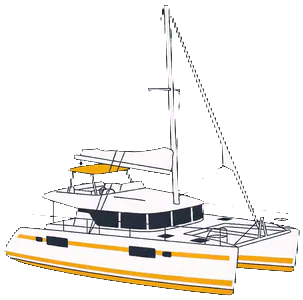
For couples or small groups, monohull sailboats between 35 and 45 feet provide easy handling and excellent performance in typical Adriatic winds. Catamarans offer more stability, interior space, and comfort—ideal for families or larger groups. Motorboats suit those who prefer flexibility in scheduling or shorter trips where wind conditions are unpredictable.
Bareboat rentals require a valid sailing license and relevant experience. You navigate independently, make your own decisions about timing and anchorages, and enjoy complete freedom. Captained charters pair you with an experienced skipper who handles sailing, navigation, and local knowledge, freeing you to relax and sightsee. Crewed charters add a chef, ensuring gourmet meals onboard.
Most sailboats operate with a small crew of 2-4 people. Motorboats range from 7-meter speedboats suitable for day trips to 50-foot cabin cruisers for week-long voyages. The charter fleet is modern, well-maintained, and regularly serviced. Your charter agreement includes 24-hour support, so help is typically a radio call away.
Istria's primary charter base, ACI Marina Pula offers 400+ berths, full services, and direct access to the Amphitheatre and city center. The marina provides fuel, water, electricity, pump-out facilities, and provisioning. A supermarket is adjacent. Repair services and chandleries are nearby. Most Boat4You Pula rentals depart from here.
Veruda is smaller and slightly more sheltered, located on the southern peninsula. It offers a more intimate atmosphere while maintaining full facility support. Both Pula bases are 2 kilometers apart; choose based on your ship size and preferred anchorage style.
Located on Cres, this marina serves northern Kvarner cruising. It's smaller than Pula's bases but strategically positioned for exploring the Cres-Lošinj channel and nearby islands. Good holding ground, calm water, and a quiet village atmosphere make it ideal for those prioritizing peace over provisioning.
Punat is the eastern anchor of Kvarner sailing. Well-equipped and spacious, it serves as a hub for exploring Rab, Susak, and the upper Kvarner islands. The marina offers all standard services. Krk's bridge connection means nearby road provisioning if needed, though island isolation is minimal.
The Adriatic sailing season runs May through October. Peak season—July and August—brings warm, stable conditions but also crowded anchorages and higher charter rates. Shoulder months (May-June and September-October) offer the best combination: reliable wind, comfortable temperatures, and fewer boats.
The Bura Wind: This northeastern wind arrives in winter and early spring, bringing cold, dry air and strong gusts. During Bura events, seas build rapidly, and many small anchorages become untenable. Charter boats often remain in port. However, experienced sailors can work with the Bura for fast downwind passages.
Summer winds: The Maestral—a westerly breeze—dominates summer mornings, often accelerating by midday. Evening winds ease. This pattern is predictable and forgiving, making summer ideal for beginners. Thermal winds off the land can bring sudden shifts at sunset.
Autumn transitions: September and early October see gentler winds and calmer seas. Water temperature remains warm (22-24°C). Fewer charter boats mean better anchorage availability. This is many sailors' favorite season in Istria and Kvarner.
Day 1 (Pula to Rovinj): Depart ACI Marina Pula in early morning. Sail northwest toward Brijuni, passing close to observe the national park. Continue north to Rovinj (15 nautical miles, approximately 3-4 hours sailing). Anchor in Rovinj harbor or secure a berth at the town quay. Evening: explore the old town on foot. Dinner at waterfront restaurant.
Day 2 (Rovinj to Poreč): Short sail north to Poreč (12 nautical miles, 2-3 hours). Afternoon arrival allows time to visit the Euphrasian Basilica. Secure berth or anchor. Evening stroll through medieval streets. Try local white truffle pasta.
Day 3 (Poreč to Cres, Valun): Sail west and north toward the Kvarner islands (approximately 35 nautical miles, 6-8 hours, including stops). Pass through the Limski Kanal if wind and timing permit—a dramatic fjord-like inlet. Continue to Cres's western shore, anchoring at Valun (small, quiet harbor, good for lunch). Late afternoon sail to Mali Lošinj for overnight (additional 8 nautical miles). Secure berth or anchor.
Day 4 (Mali Lošinj): Rest day. Explore Lošinj's aromatherapy gardens. Swim in clear Kvarner water. Dolphins frequently pass nearby. Relax. Cook dinner aboard or dine in a harborside restaurant.
Day 5 (Lošinj to Rab): Morning sail east to Rab (approximately 20 nautical miles, 4-5 hours). Arrive mid-afternoon. Explore Rab's four medieval towers. Visit Paradise Beach if time permits (nearby by tender or short walk). Anchor or berth overnight.
Day 6 (Rab to Krk, Punat): Sail north-west to Krk and Marina Punat (approximately 15 nautical miles, 3-4 hours). Afternoon arrival allows leisure time. Explore the marina's facilities or nearby villages. Optional: visit Krk town (road access via bridge).
Day 7 (Punat return to Pula): Return southwest toward Pula. This is approximately 35-40 nautical miles and requires a full day sail, depending on wind and stops. Arrive in Pula by late afternoon. Final evening in harbor, preparing for departure or extending your charter.
Istria's Motovun forest, inland from Rovinj, yields white truffles (tartufi bianchi) that rival those of Piedmont. Local gourmands hunt them with truffle dogs in autumn. The prized fungi appear on restaurant menus fresh or preserved. A simple pasta—fresh egg tagliatelle or fuži (Istrian hand-rolled pasta)—topped with shaved truffles and butter becomes a revelatory dish. Truffle prices are steep, but a small portion transforms any meal. Many Boat4You guests provision truffles at Pula's markets, savoring them aboard.
Maneštra, a hearty mixed-vegetable and bean soup, warms you on cool sailing days. Fuži, the short, hand-rolled pasta, appears with truffle sauce, seafood ragù, or simple butter and cheese. Kvarner scampi—langoustines from the northern Adriatic—are sweet and tender, grilled simply with lemon and olive oil. Fresh fish—sea bass, sea bream, grouper—fills harbor restaurants. Catch-of-the-day preparations are rarely complicated: grilled, with lemon, and local olive oil.
Malvazija, Istria's signature white wine, is dry, crisp, and aromatic with notes of citrus and almond. It pairs perfectly with seafood and light pasta dishes. Grown in vineyards near Motovun and Zavrsje, it's widely available in restaurants and stores. Local producers bottle it in small quantities; asking your restaurant for a local producer yields better wine than tourist-focused selections.
Teran, a deep red wine from the same region, carries notes of dark cherry and earth. It's robust enough for hearty dishes like truffle pasta or game. Combine Malvazija with lunch; Teran with dinner ashore. Both wines are affordable and authentic to the region.
For bareboat rentals, the skipper needs a boating licence recognised in Croatia and valid for the yacht, and someone aboard needs a VHF (SRC) radio certificate. Croatia recognises the foreign licences on the official list published by the Ministry of the Sea, Transport and Infrastructure; the ICC qualifies when issued for the right category. Experience alone does not replace these documents, so without them, contact Boat4You to arrange a skipper. Captained and crewed charters require no sailing license.
May through October offers reliable conditions. June and September-October are ideal for their combination of good wind, warm water, and moderate crowds. July-August is busiest and most expensive but absolutely doable. Winter and early spring experience stronger Bura winds; most casual sailors avoid this period.
Absolutely. The sample 7-day route demonstrates a feasible itinerary covering Rovinj, Poreč, Cres, Lošinj, Rab, and Krk. Daily sail distances (3-8 hours) leave time for exploration and relaxation. Shorter itineraries focusing on Istrian towns or just the Kvarner islands are equally rewarding with fewer transitions.
Peak July-August can be crowded, but Istria and Kvarner are large enough to absorb summer tourism. Smaller towns like Valun, Susak, and quieter Kvarner islands offer better solitude. Flexible itineraries work better than rigid schedules when crowds are heavy.
For first-time Adriatic sailors, a captain eliminates navigation stress and enriches the experience through local knowledge. For experienced sailors confident in their skills, bareboat independence is rewarding. Crewed charters with onboard chefs suit those prioritizing comfort and culinary experience. Budget, experience, and group size should guide your choice. Contact for advice specific to your needs.
Boat4You specializes in matching sailors with the perfect vessel for their Istrian and Kvarner cruise. Whether you're seeking a bareboat adventure, a relaxed captained charter, or a luxury crewed experience, our partners' fleet and expertise support your goals. Istria's Venetian towns, the Kvarner islands' natural beauty, and the region's rich food and wine culture combine into an unforgettable Mediterranean sailing experience.
Browse available yacht and boat charters for Istria and Kvarner. Check our frequently asked questions for more details. Or learn how Boat4You works to understand the rental process and support structure. For broader context on sailing Croatia, visit our about page.
The Adriatic is waiting. Istria's truffles, Rovinj's stone buildings, the Kvarner islands' dolphins, and sunset anchorages in crystal water are within reach. Let Boat4You take you there.
Explore Boat4You ChartersUpdated October 14, 2026
Cheapest month: April 2027. Most expensive month: July 2027.
| Month | Typical week | Middle half of weeks |
|---|---|---|
| Mar 2027 | 1,520 € | 1,176 € – 2,224 € |
| Apr 2027 | 1,496 € | 1,140 € – 2,052 € |
| May 2027 | 2,066 € | 1,539 € – 2,850 € |
| Jun 2027 | 2,841 € | 2,138 € – 3,634 € |
| Jul 2027 | 3,214 € | 2,461 € – 4,210 € |
| Aug 2027 | 3,078 € | 2,423 € – 4,126 € |
| Sep 2027 | 2,526 € | 1,890 € – 3,271 € |
| Oct 2027 | 1,599 € | 1,208 € – 2,138 € |
Computed every night from the 7-night charter offers of the next 12 months for the boats based here. Prices are for the boat per charter week; skipper, extras and deposit are separate, and figures based on fewer than 5 boats or offers are left out. Amounts in euros (EUR).