Your search
French Riviera (Côte d'Azur)
107
boats available · live
500 € – 200,000 €
500 €200K €
1 – 42 guests
142
0 – 42 berths
042
14.76 – 56 m(48–184 ft)
14.76 m56 m
2000 – 2028
20002028
0 – 20 toilets
020
5 – 7,296 hp(4–5,436 kW)
5 hp7,296 hp
Prices shown are each boat's cheapest available 7-night week. Choose your dates for exact prices.
The French Riviera, or Côte d'Azur, stands as Europe's most glamorous sailing destination. From the glittering beaches of Cannes to the hidden calanques near Cassis, this stretch of the French Mediterranean coast offers everything a sailor could want: world-class marinas, exceptional weather, stunning anchorages, and a culinary scene that rivals any port in the world. Whether you're chartering a sleek motor yacht, a luxury catamaran, or a classic sailing yacht, the Côte d'Azur delivers the kind of experience that defines Mediterranean sailing for many charterers.
The region stretches roughly 200 kilometers from Marseille in the west to the Italian border at Menton in the east, encompassing some of the Mediterranean's most dramatic coastline. What makes French Riviera yacht charter so special isn't just the scenery—it's the culture. You anchor in the afternoon, dine on bouillabaisse at a harborside restaurant, and wake to crystalline waters that look almost unreal. The sailing itself is straightforward and reliable, the infrastructure is first-world, and the summer season keeps the coast buzzing with activity. This is where serious sailors and luxury-minded charterers converge.
The French Riviera coastline divides naturally into several distinct sailing zones, each with its own character and appeal. Starting in the west, the stretch from Marseille to Cassis includes the famous Calanques—narrow, steep-sided inlets that resemble Norwegian fjords squeezed into the Mediterranean. These are anchoring destinations, not berth destinations, and they require respectful seamanship; the Calanques National Park enforces strict mooring regulations to protect its waters.
Moving east, the Esterel massif rises sharply from the water between Saint-Raphaël and Cannes, displaying an otherworldly red porphyry rock coastline. This is some of the most photogenic sailing in France, and day-charter traffic here can be heavy in summer. Just offshore from Cannes lie the Îles de Lérins—two islands (Sainte-Marguerite and Saint-Honorat) that offer a peaceful retreat from the coast's bustle. Many charterers use Cannes as a base, sail out to the islands for lunch and snorkeling, and return by evening.
The central zone, from Antibes to Nice, is the commercial heart of French Riviera yacht charter. Port Vauban in Antibes holds the distinction of being Europe's largest superyacht marina, while the Baie des Anges off Nice provides an open but well-protected anchorage. East of Nice, Villefranche-sur-Mer shelters one of the Mediterranean's best natural harbors and remains a traditional yachting stronghold.
Finally, the Îles d'Hyères (also called Îles d'Or) lie southeast of Toulon, anchored by the car-free island of Porquerolles. This archipelago represents the sailing destination most charterers dream about—pristine beaches, marine reserves, and an almost tropical feel that distinguishes it from the glitzier western reaches of the coast.
Saint-Tropez remains an icon, though its reputation for overcrowding and expensive berths is well-earned. The town itself, however, makes far more sense from the water than from the road—the harborside is intimate and genuinely charming. Anchor off and dinghy ashore for dinner; you'll skip the road traffic entirely and understand why Saint-Tropez still draws serious sailors. The surrounding coastline toward Sainte-Maxime and the Îles d'Hyères offers excellent day sailing with plenty of protected anchorages.
Cannes is a working port with excellent infrastructure and, crucially, the Îles de Lérins just 15 minutes' sail away. Sainte-Marguerite offers beaches and historical sites; Saint-Honorat is quieter and home to a working Cistercian monastery where monks still make liqueur. Many charterers base themselves in Cannes (Marina Riviera or Vieux Port), spend mornings on the islands, and return to shore for evening entertainment. The islands themselves have few facilities, so planning is important.
Nice anchors the eastern coast and serves as a major charter hub. The Baie des Anges (Bay of Angels) is an open roadstead, which means it's exposed to southeasterly swells in heavy weather, but in normal conditions it's perfectly safe and offers stunning views of the Promenade des Anglais. The Vieux Port is mostly reserved for fishing boats and local dinghies. Nice works best as a provisioning stop and a base for exploring the eastern Côte d'Azur, particularly day sails toward Villefranche and Monaco.
Antibes is where serious superyacht charter begins. Port Vauban has berths for vessels up to 200 meters and is packed with charter megayachts, especially in peak season. If you're chartering a large motor yacht or superyacht, Antibes is your natural base. The Old Town (Vieille Ville) is compact, walkable, and genuinely Mediterranean—narrow streets, excellent restaurants, and a market that caters to the yacht crowd. The anchorages around Antibes (Baie de Millionnaire, Îles de Lérins) are as good as anywhere on the coast.
Villefranche occupies one of the Mediterranean's finest natural harbors and has been a yacht anchorage for centuries. The deep, protected waters accommodate large vessels safely; many superyachts use Villefranche as an alternative to the crowded Port Vauban. The town itself is quieter and less glitzy than Saint-Tropez or Cannes, which appeals to sailors seeking culture and authenticity over nightlife. The train station offers easy access to Nice and Monaco.
Porquerolles, the largest of the Îles d'Hyères, is a car-free island with some of the best beaches on the Côte d'Azur. Getting there requires ferrying cars off-island; most residents use bicycles or walk. The village is small but charming, and the surrounding waters are protected as a marine reserve with strict anchorage rules. Porquerolles works best as a multiday destination—anchor, explore the island on foot or bike, and enjoy some of the Riviera's most unspoiled sailing. The passages between islands can be narrow and require local knowledge.
Cassis is the gateway to the Calanques National Park, a protected area of extraordinary natural beauty. The calanques are steep inlets carved into limestone cliffs, resembling Norwegian fjords transplanted to the Mediterranean. Anchoring is restricted and regulated; you'll need to respect designated mooring fields and understand the rules before you arrive. The village of Cassis itself is a proper fishing port with good restaurants and reasonable berths. This is as close as the French Riviera gets to raw, undeveloped coastline, and it's worth the effort to experience.
The French Riviera accommodates virtually every sailing preference, but a few boat types dominate the charter market for good reason.
Luxury Motor Yachts perform exceptionally well here. The charter season is long (May through October), the ports are civilized and well-equipped, and day cruising speeds mean you can explore widely without excessive fuel costs. Motor yachts also allow single-day or multi-day charters without the complexity of sail handling, making them ideal for charterers prioritizing relaxation and sightseeing.
Sailing Yachts (42–65 feet) work beautifully for experienced sailors seeking genuine sailing. The Mistral wind ensures good breezework in summer, though the pattern is somewhat predictable; you'll often encounter light morning winds and stronger afternoon thermals. A sailing yacht gives you authentic coast-hugging sailing with plenty of anchorages and the flexibility to move slowly and explore thoroughly.
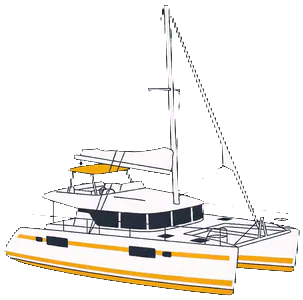
Luxury Catamarans (45–60 feet) combine the stability and deck space of a catamaran with the luxury finish that the Riviera market demands. They're especially popular for families and groups because they offer easy handling, excellent safety, generous cockpit space, and typically three separate cabins. Catamarans also tend to roll less at anchor, a real advantage in the exposed bay anchorages off Nice.
Superyacht Charter (80+ feet) is a defining feature of the French Riviera market. Port Vauban in Antibes and the charter fleets based there cater exclusively to this segment. If you're considering a superyacht, the Riviera offers unmatched infrastructure, crew expertise, and a coastline designed for the superyacht lifestyle.
Choosing your base marina shapes your entire charter experience. The Côte d'Azur offers several excellent options, each suited to different sailing priorities.
Port Vauban, Antibes is Europe's largest marina and the superyacht capital of the Mediterranean. If you're chartering anything over 70 feet, this is where you'll likely be based or berthed. The facilities are impeccable—fuel, water, provisioning, repair yards, and crew services are all top-tier. The Vieille Ville is walkable from the marina, and the sailing from Antibes eastward toward Monaco is some of the most consistently good on the coast. Expect premium berth rates in summer; book well ahead.
Vieux Port, Cannes is a smaller, more intimate marina at the heart of Cannes' old town. It's less formal than Port Vauban and appeals to sailors who prioritize location and atmosphere over sprawling facilities. From here, the Îles de Lérins are just a short sail, and you're perfectly positioned for day trips up and down the coast. Berths are competitive in summer, and the nightlife and restaurant scene are excellent.
Port de Saint-Tropez is expensive, crowded, and genuinely worth experiencing despite the drawbacks. If you're in Saint-Tropez in high season, expect to anchor off and dinghy ashore; actual berths are reserved for locals and permanent residents. The harborside experience—anchored in crystal water, watching the sun set over the old town—justifies the visit.
Port de Nice serves as the eastern hub. The Vieux Port is small and mostly allocated to fishing, but the Baie des Anges anchoring area is excellent, and the city offers the most developed infrastructure of any eastern Riviera town. If you're using Nice as a base for exploring Villefranche, Monaco, or Menton, the natural harbor here is your best bet.
For a French Riviera yacht charter, you'll want to book your marina base months in advance during summer season. Consider starting your charter on a Monday or Tuesday when turnover schedules are more forgiving and berths more available.
The French Riviera enjoys a Mediterranean climate with predictable seasonal patterns that directly affect your sailing experience.
Summer (June–September) is peak season—warm, mostly dry, and reliably windy. The Mistral dominates the pattern; it's a northwest wind that can blow for 3–4 days at a stretch, clearing the air and providing excellent sailing in exposed areas. The Mistral can reach 25–35 knots in summer, making it thrilling for sailors but challenging for inexperienced crews. On calm Mistral days, thermal winds pick up in the afternoon, creating reliable afternoon breezes perfect for exploring protected bays and anchorages. Expect water temperatures of 22–24°C in summer.
Spring (April–May) and Fall (September–October) offer the best conditions for most cruising sailors—milder winds, fewer megayachts, lower berth rates, and still-warm water. The Mistral is less consistent, but you'll find more balanced sailing with morning land breezes and afternoon sea breezes. September and October are particularly rewarding; the summer crowds thin out, and the light is golden.
Winter (November–March) is the quietest season. Temperatures remain mild (8–12°C air, 10–12°C water), but storms can be intense and unpredictable. Gale-force winds and heavy rain do occur, though extended calm spells are common. Many charter companies reduce their fleets in winter; those who sail the Riviera in winter tend to be serious, experienced cruisers.
Plan your charter around the Mistral pattern. If you're inexperienced with strong winds, avoid July and August and focus on May–June or September–October. If you're a skilled sailor, the Mistral becomes an asset—it clears the haze, provides excellent sailing conditions, and thins the tourist crowds.
Day 1: Base Selection & Provisioning (Antibes) — Arrive at Port Vauban or anchor in the Baie de Millionnaire. Provision at the market, acquaint yourself with the boat, and explore the Vieille Ville. Dinner at a harborside restaurant on Rue Thuret.
Day 2: Antibes to Îles de Lérins (25 nm) — An easy day sail west. Anchor off Sainte-Marguerite in the morning, swim and explore. In the afternoon, sail to Saint-Honorat, walk the island (restaurants available), and anchor in the bay. Sunset views over the Esterel massif.
Day 3: Îles de Lérins to Saint-Raphaël (20 nm) — Follow the Esterel coast eastward, stopping for lunch in a small anchorage among the red rocks. The Esterel offers some of the most stunning daysailing on the coast. Saint-Raphaël provides shelter and good restaurants.
Day 4: Saint-Raphaël to Saint-Tropez (25 nm) — An overnight passage or a leisurely day sail depending on conditions. Anchor off Saint-Tropez in the evening. Walk the old town, dine harborside, absorb the atmosphere. The Pampelonne beaches are nearby if you want to explore further.
Day 5: Saint-Tropez to Îles d'Hyères/Porquerolles (35 nm) — A longer sail southeast toward the Îles d'Hyères. Anchor off Porquerolles in a designated mooring field. Spend the afternoon exploring the island by foot or bicycle. This is where the Riviera shows its wild side—fewer crowds, pristine beaches, and genuine Mediterranean character.
Day 6: Porquerolles to Cassis (40 nm) — A long day sail west toward Cassis and the Calanques. Anchor in Cassis harbor or in one of the designated mooring fields within the Calanques. Expect more weather here than in the eastern zones; the Calanques can generate lumpy conditions even in calm wind. Dinner in Cassis village is well worth the effort.
Day 7: Cassis to Antibes (90 nm, or split into two days) — Return passage. Either motor/sail directly back to Antibes (a long day, often motorsailing) or break it in the middle with a night in Toulon or Saint-Tropez. If returning to Antibes, aim for departure at dawn to maximize daylight hours.
Part of chartering the French Riviera is the food. Mediterranean sailing culture intersects with world-class gastronomy here in ways that elevate a yacht charter from travel to an event.
Bouillabaisse originated in Marseille and remains the defining dish of the western Riviera. A proper bouillabaisse is made with specific Mediterranean fish species (rouget, congre, baudroie, rascasse), saffron, fennel, and orange zest, served with aioli and toasted bread. It's expensive, usually ordered for two, and worth every euro. Avoid tourist versions; ask locals where they eat.
Salade Niçoise hails from Nice and consists of tuna (or anchovies), hard-boiled eggs, olives, tomatoes, and anchovies on mixed greens. Order it at a harborside café in Nice or Villefranche and you're eating exactly what locals have eaten for centuries.
Socca is a chickpea flour pancake served hot and crispy, best found at street vendors and market stalls. It's inexpensive, delicious, and common throughout the Riviera, particularly in Nice.
Rosé Wines from Provence are essential. The appellations you'll encounter include Côtes de Provence and Bandol. These dry, mineral-forward rosés pair perfectly with seafood and the Mediterranean heat. A chilled rosé is nearly mandatory at lunch in the anchorages.
Bandol Wines are full-bodied reds and rosés from the Bandol region (near Toulon), made primarily from Mourvèdre grapes. They're more serious than typical Provençal wines and worth exploring if you're anchored in the eastern Îles d'Hyères.
Pissaladière is a Niçois specialty—essentially a Provençal pizza with anchovies, onions, and black olives on a bread base. Street vendors and bakeries sell it throughout Nice; it's perfect as a light lunch before a noon departure.
Restaurant quality is generally excellent along the entire coast. Many establishments cater to yacht crews and understand the chartering lifestyle. Booking ahead is essential in high season. Consider designating a crew member as "reservation manager"—working the phones while others rest improves both the dining experience and crew morale.
May–June and September–October offer ideal conditions: warm water, reliable winds, lower berth rates, and thinner crowds. July and August are peak season—expect premium pricing, crowded anchorages, and strong Mistral winds. Winter (November–March) is quiet and mild but carries higher storm risk and reduced charter fleet availability.
Book 3–6 months ahead for summer, especially if you want specific boat types (luxury catamarans or motor yachts in the 45–65 foot range). Superyachts (80+ feet) should be booked even further in advance. Last-minute charters are possible in shoulder season and winter but risk limited availability and reduced boat selection.
No, not fundamentally. The Mistral is predictable, the ports are well-marked and well-equipped, and the coastline is forgiving. Exposed anchorages (like Baie des Anges off Nice) require attentiveness in heavy weather, but serious gales are infrequent in summer. The main challenge is the volume of traffic and the density of yachts in peak season—seamanship and situational awareness matter more than athletic sailing skill.
Yes, but carefully. Download detailed charts before arrival, understand the strict anchoring regulations (mooring buoys only in many areas), and respect the Calanques National Park restrictions. Consider hiring a local skipper for a day or two; the cost is modest and the knowledge is invaluable. The scenery is worth the extra effort and caution.
A 45-foot sailing yacht or catamaran in peak season runs roughly €2,500–3,500 per week in charter fees, plus fuel (motor yachts), provisions, mooring/anchorage fees (€30–80 per night), and meals. A luxury motor yacht in the 55-foot range is €4,000–6,000+ per week. Superyachts (100+ feet) start at €15,000+ per week and can reach six figures. Shoulder season (May–June, September–October) offers 20–30% discounts. These are approximate figures; final costs depend on specific boat selection and charter company.
The Côte d'Azur represents French sailing at its most refined. Whether you anchor in a calanque near Cassis, dine harborside in Saint-Tropez, or explore the islands off Cannes, you're experiencing one of Europe's great sailing destinations. The infrastructure is world-class, the food is exceptional, and the sailing itself—while not technically demanding—rewards sailors who take time to explore methodically rather than racing point to point.
Explore available boats and charter options on Boat4You's French destinations or browse French Riviera yachts directly. If you're new to yacht charter, our guide to how charter works walks through the essentials. For questions about the French Riviera specifically or how to select the right boat for your group and sailing style, review our frequently asked questions or learn more about Boat4You's approach to charter.
Fair winds and blue water await. The French Riviera is calling.
Updated October 12, 2026
Most expensive month: August 2027.
| Month | Typical week | Middle half of weeks |
|---|---|---|
| Nov 2026 | 1,990 € | 1,718 € – 2,850 € |
| Mar 2027 | 2,850 € | 1,904 € – 4,006 € |
| Apr 2027 | 2,969 € | 2,216 € – 4,333 € |
| May 2027 | 3,898 € | 3,192 € – 4,741 € |
| Jun 2027 | 5,019 € | 4,242 € – 5,771 € |
| Jul 2027 | 6,178 € | 5,308 € – 7,405 € |
| Aug 2027 | 6,296 € | 5,232 € – 7,604 € |
| Sep 2027 | 4,382 € | 3,680 € – 5,418 € |
| Oct 2027 | 3,144 € | 2,535 € – 4,056 € |
Computed every night from the 7-night charter offers of the next 12 months for the boats based here. Prices are for the boat per charter week; skipper, extras and deposit are separate, and figures based on fewer than 5 boats or offers are left out. Amounts in euros (EUR).