Your search
Athens / Saronic Gulf
1,253
boats available · live
500 € – 200,000 €
500 €200K €
1 – 42 guests
142
0 – 42 berths
042
14.76 – 56 m(48–184 ft)
14.76 m56 m
2000 – 2028
20002028
0 – 20 toilets
020
5 – 7,296 hp(4–5,436 kW)
5 hp7,296 hp
Prices shown are each boat's cheapest available 7-night week. Choose your dates for exact prices.
Explore Greece's most accessible and captivating sailing destination. Charter a yacht or rent a boat from Athens and discover the hidden islands and pristine anchorages of the Saronic Gulf.
The Saronic Gulf offers an ideal introduction to Greek island sailing, Located just minutes from Athens, this sheltered sailing area combines historical significance, natural beauty, and authentic island culture with excellent infrastructure and short distances between ports.
The Saronic Gulf sits at the crossroads of ancient Greece and modern Mediterranean romance. Fewer nautical miles separate the islands here than anywhere else in the country, making it perfect for leisurely sailing rather than endurance testing. You can wake in a different harbor almost every morning, yet rarely face a crossing longer than a few hours.
The region balances accessibility with discovery. Commercial ferries connect some islands, but a private boat or charter yacht grants freedom that day-trippers rarely experience. You'll anchor in empty bays where goatherds outnumber tourists, explore monasteries perched on clifftops, and dine on grilled octopus at family-run tavernas where the owners remember your name by day three.
Saronic sailing works across seasons and skill levels. Summer brings predictable winds, though the meltemia can kick up in July and August. Spring and autumn deliver ideal conditions—warm days, calm nights, and that particular quality of Mediterranean light that makes photographers weep. Winter sailors can depart from Athens in February and find shelter in countless harbors.
Aegina rises first for most sailors leaving Athens, and its fame rests partly on what it grows. The island cultivates pistachios that have defined Mediterranean snacking since antiquity. Beyond the nuts lies a layered history and surprising charm.
The Temple of Aphaia dominates the island's eastern coastline, its Doric columns visible for miles across the water. Built in the early 5th century BCE, the temple stands as one of the three pivotal monuments of ancient Greek architecture, forming a sacred triangle with the Parthenon and the Temple of Zeus at Olympia. The hike to the summit rewards you with views across three countries on clear days.
Agia Marina harbor provides a protected anchorage on the north coast, putting you within reach of both the temple and the town. The pistachio groves inland release their fragrance in late summer, and you'll find fresh nuts in markets that taste nothing like the salted versions sold elsewhere. Local bakeries use pistachios in everything from bread to desserts, and many tavernas incorporate them into main courses with surprising sophistication.
If you're timing a visit to Aegina, aim for mid-September when the pistachio harvest begins. The island celebrates with informal festivals, street vendors selling roasted nuts warm from the pan, and a genuine sense of seasonal joy that tourism boards cannot manufacture.
Poros greets you with a spectacle of geography. The island's eastern half faces the mainland across a strait so narrow you can practically shake hands with people on shore. This narrow strait defines Poros—it's the most sheltered anchorage in the Saronic Gulf, perfect for boats seeking harbor during unexpectedly rough weather.
The strait itself flows with life. Water taxis cut across it constantly, small fishing boats work the current, and the island's main town tumbles down hillsides on both sides, creating an amphitheater effect that amplifies every sound. You'll sleep better than expected despite the activity—the human presence somehow feels comforting rather than intrusive.
Poros's interior surprises visitors with lemon forests that blanket the island's higher elevations. These aren't random groves but organized cultivation spreading across terraced slopes, creating a patchwork of green and golden fruit. The island's tavernas incorporate Poros lemons into everything from salads to seafood preparations, and you'll find preserves and liqueurs made from them in shops throughout town.
Spend an afternoon hiking inland from the main harbor. You'll discover monasteries hidden in groves, springs that have flowed for centuries, and views that remind you why Homer set so much of his mythology in these waters. Bring a reusable water bottle—the springs offer some of the clearest, coldest water in Greece.
Hydra banned motor vehicles decades ago and shows no sign of reversing the decision. Donkeys still carry building materials up the steep lanes, water taxis buzz across the harbor, and the loudest sound most evenings is ice clinking in glasses at the waterfront cafés.
The island's stone architecture reflects centuries of maritime prosperity. Merchant ships built the fortunes that created these houses, their captains adorning them with arched doorways, wrought-iron balconies, and interior courtyards that catch cooling breezes. Walking Hydra's narrow streets feels like moving through a three-dimensional historical document written in marble and limestone.
Hydra's cultural history adds another dimension. Leonard Cohen lived here for extended periods, finding in the island's austere beauty the silence he needed for songwriting. His presence shaped the island's artistic character—you'll find small galleries, art studios, and a general embrace of creative souls that persists decades after his death. Writers, painters, and musicians continue to settle here for weeks or seasons, often working in small studios overlooking the harbor.
The harbor itself rarely stops moving. Water taxis arrive and depart constantly, sailboats crowd the anchorage on summer weekends, and the waterfront restaurants pulse with life from morning coffee through late dinner. Despite the crowds, Hydra maintains an atmosphere of authenticity—the activity feels organic rather than staged for visitors.
Anchor here for at least two nights. One allows you to experience the harbor; two lets you discover the quieter streets and less-famous tavernas that locals favor. Climb to the monastery above town at sunset, when the Saronic Islands vanish into silhouettes and the sky turns colors that no screen can quite capture.
If Hydra banned cars a century ago, Spetses took a different approach. Scooters buzz through town in controlled chaos, creating a friendlier, less austere atmosphere than Hydra while still preserving the island's independence from mainland conventions.
The Bouboulina Museum preserves the life of Laskarina Bouboulina, an 18th-century naval captain who fought against Ottoman rule and commanded her own fleet during the Greek War of Independence. Her house, maintained as a museum, reveals how a merchant-class woman accumulated enough power and wealth to become a military commander—a story remarkable in any century, extraordinary in the 1700s.
Spetses developed as a merchant and pirate base, then evolved into a respectable shipping center. That history shows in the grand captain's houses lining the harbor, the shipyards where you can still watch wooden boats being built using traditional methods, and the maritime museum dedicated to the island's trading heritage. The waterfront combines aristocratic grandeur with working-port grit in equal measure.
Anchorages surround the island. The main harbor fills with yachts in summer, but smaller bays on the eastern and western coasts provide solitude and excellent holding. The southern shore offers protection during northerly winds, with beaches backed by pine forests that release their fragrance in the heat.
Most Saronic islands support human habitation, but Dokos presents an alternative: empty anchorages sheltered by rocky outcrops and scraggly pines. This small, uninhabited island attracts sailors seeking solitude and excellent holding ground.
The anchorages around Dokos rank among the best in the Saronic Gulf. Kaliopi Bay on the western shore provides bomb-proof protection during most conditions, with sandy bottom that grabs anchor immediately and holding that rarely wavers. Xichia Bay on the eastern side offers similar security with stunning views toward the Peloponnese.
These are places for swimming at midnight under stars clearer than you'll see anywhere else in Greece, for reading books without interruption, and for understanding why sailors speak reverently about empty anchorages. Bring all supplies with you—there are no shops, no restaurants, no infrastructure beyond what nature provides.
Dokos works best as a layover between busier islands. Spend the night here to reset your internal compass before heading to Hydra's crowds or Spetses's social scene. Snorkel in the early morning when visibility extends twenty meters down, then motor back to civilization when you're ready.
Agistri floats just off Aegina's coast, yet feels worlds apart in character. Pine-covered slopes cover the island's interior, releasing their resinous fragrance in the summer heat. The island maintains a distinctly quiet atmosphere—few tourists make the short hop from Aegina, preferring the historical sites there.
Three small villages cluster around the harbors, their tavernas featuring exceptional seafood and grilled vegetables from family gardens. The locals speak English less frequently than on larger islands, creating opportunities to practice your Greek or simply communicate through gestures and laughter.
Agistri's anchorages include Megalochori to the north and Skala to the south, both protected and well-holding. The western shore offers exposed but scenic anchorages for conditions that don't threaten weather changes. With gentle winds and a small crew, you can circle the island in a morning, anchoring multiple times to swim in bays where motorboats rarely venture.
Methana juts from the mainland as a volcanic peninsula, its rocky slopes and barren appearance unlike the greener islands. The volcano last erupted in 1700, leaving behind volcanic rock formations, thermal springs, and an austere landscape that Mediterranean sailors found worthy of mythology.
The main harbor provides adequate protection, with tavernas serving fish caught the same morning and local wine that tastes better than anything you'll find in tourist-focused areas. Thermal springs bubble from underwater vents in the bay—a surreal experience to float in 30-degree Celsius pockets of water while the sea around you sits at 20 degrees.
Methana works as a waypoint between the central Saronic islands and the mainland, or as a base for exploring the quieter eastern side of the gulf. The landscape appeals to photographers and painters who find beauty in stark geology rather than photogenic villages.
The mainland's primary sailing destination, Nafplio served as Greece's first capital after independence from Ottoman rule. The city rises in tiers from the waterfront, its Venetian architecture and red-tiled roofs creating a backdrop that no film director could improve upon.
The Palamidi Fortress dominates the skyline, built in the early 19th century with 913 steps connecting its various levels. The hike rewards you with views across the gulf toward the Peloponnese and the Saronic islands beyond. The fortress itself, though ruined in places, preserves enough structure to convey the engineering sophistication that 19th-century military architects commanded.
Nafplio's harbor provides excellent protection and good holding ground. The waterfront tavernas serve dishes unchanged for decades—grilled fish simply prepared, salads built on vegetables bought at the morning market, local wine served in ordinary glasses without pretension. Several museums document the city's role in Greek independence, offering cultural content for rainy afternoons or days when local winds make sailing unpleasant.
While Nafplio sits on the coast, Epidaurus lies inland, famous for its ancient theatre renowned for acoustic perfection. A stone dropped at stage center projects clearly to the uppermost seats, a feat of engineering that modern architects still study.
The theatre sits within a broader sanctuary dedicated to Asclepius, the god of medicine. Pilgrims arrived here seeking cures for ailments, drawn by the sanctuary's reputation and the therapeutic power of performances in the theatre. In summer, the theatre still hosts performances—watching ancient dramas under stars in the original venue creates an experience that attending theater in a modern building simply cannot match.
Most sailors rent a car in Nafplio for a day trip to Epidaurus. The drive takes less than an hour, the site entrance costs modest euros, and the experience justifies the detour. Many charter companies in the Saronic Gulf include Epidaurus recommendations in their sailing guides, understanding that some cultural encounters require leaving the boat behind temporarily.
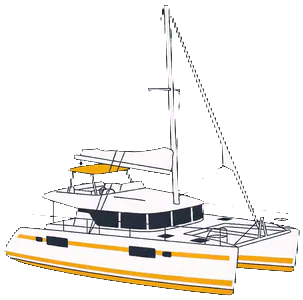
The Saronic Gulf accommodates every vessel type imaginable. Sailboats dominate the summer months, their white hulls creating a postcard fleet across the water. Monohulls ranging from 32 to 50 feet handle the region's moderate winds perfectly, while catamarans appeal to sailors prioritizing stability and interior space over traditional sailing aesthetics.
Motorboats suit different priorities. Comfort-focused cruisers rent cabin cruisers for leisurely motoring between islands, prioritizing speed to destinations over the sailing experience. Fishing enthusiasts charter smaller boats capable of accessing remote coves and channels where commercial vessels cannot navigate.
Whether you're seeking a crewed yacht with professional captain and chef, a bare-boat sailboat for independent sailing, or anything in between, Boat4You's search tool simplifies finding your ideal vessel.
Three primary bases serve Saronic Gulf sailors, all reachable from Athens within 45 minutes to an hour by road.
Alimos Marina sits closest to central Athens, making it convenient for crews arriving by air. The marina offers modern facilities, provisioning within walking distance, and excellent service. Boats departing from Alimos typically motor south toward Aegina, beginning their journey across the most accessible waters in the gulf.
Kalamaki Marina sits further south, closer to the gulf itself. Boats based here begin cruising minutes after departure, with shorter motor distances to early sailing destinations. The marina includes full provisions, boatyard facilities for repairs, and experienced staff accustomed to bareboat rentals.
Athens Marina operates within Greater Athens, serving smaller vessels and those seeking central access. While less developed than dedicated sailing marinas, Athens Marina provides basic facilities and convenient location for crews without dedicated sailing experience.
Provisioning presents no challenges in the Saronic Gulf. Every island supports supermarkets, fish markets, and bakeries. Friday morning markets in larger towns stock fresh vegetables, local cheeses, and whatever else your crew's cook requires. Larger marinas offer provisioning services that deliver supplies directly to your boat before departure.
Summer sailing (June through September) brings predictable conditions and crowded anchorages. July and August see the strongest meltemia winds, often reaching 15-20 knots from the north during afternoons. Experienced sailors enjoy the reliable conditions; those preferring lighter air should aim for June or September.
Spring (April and May) offers ideal conditions. Winds blow gently from the north, water temperatures reach 20 degrees Celsius, and anchorages fill only on weekends. The light quality in May remains unmatched anywhere in the Mediterranean—crystalline mornings and golden evenings that inspire photographers and painters.
Autumn (October and November) delivers similarly pleasant sailing with gradually cooling water and occasional rain showers that clear afternoon skies dramatically. November brings increasing wind variability and cloudier days, though adequate sailing days remain available.
Winter sailing (December through February) appeals to hardy crews and those seeking solitude. Many anchorages offer protection during the season's typical weather patterns. February can surprise with perfect sailing conditions, though planning must include flexibility for occasional rough days.
Day 1: Athens (Alimos Marina) to Aegina
Motor south from the marina toward Aegina's Agia Marina harbor. Distance: approximately 20 nautical miles. Afternoon spent exploring the island, evening at harborside taverna.
Day 2: Aegina to Poros
Sail southeast toward Poros, anchoring in the narrow strait between island and mainland. Distance: approximately 15 nautical miles. Explore the lemon groves, dine at a family-run restaurant.
Day 3: Poros to Hydra
Morning sail to Hydra, arriving mid-afternoon. Motor into the car-free island's harbor, secure your boat, and explore on foot. Visit the monastery, hike the stone-paved streets. Distance: approximately 12 nautical miles.
Day 4: Hydra to Dokos
Sail to nearby Dokos, anchoring in Kaliopi Bay for solitude and excellent holding. Swim, read, reset. Distance: approximately 8 nautical miles.
Day 5: Dokos to Spetses
Morning departure to Spetses, exploring the Bouboulina Museum and waterfront. Anchor in the main harbor or quieter bays on the eastern shore. Distance: approximately 12 nautical miles.
Day 6: Spetses to Nafplio (Mainland)
Sail westward to the mainland, anchoring in Nafplio's historic harbor. Explore the Palamidi Fortress, dine where Greek independence leaders once debated the nation's future. Distance: approximately 20 nautical miles.
Day 7: Nafplio to Agistri
Return eastward toward Agistri, one of the quietest Saronic islands. Spend the final night in a protected cove, savoring the stillness before returning to Athens. Distance: approximately 25 nautical miles.
Day 8: Agistri to Athens
Motor back to your departure base, arriving by mid-afternoon. Total distance for the week: approximately 112 nautical miles—easily within the capacity of crews with varying experience levels.
The Saronic Gulf's culinary traditions reflect both Mediterranean classics and local specialties that merit exploration.
Aegina Pistachios appear throughout the island's cuisine in unexpected ways. Beyond roasted nuts sold by street vendors, pistachios flavor breads, desserts, and seafood preparations. Local bakeries create pistachio-crusted meats, while tavernas incorporate ground pistachios into sauces. The nuts' subtle, slightly sweet flavor complements grilled fish remarkably well—ask for fish with pistachio crust at any Aegina restaurant, and watch your crew's faces light up.
Grilled Octopus appears on virtually every Saronic island's waterfront tavernas, and the differences between mediocre and exceptional versions are dramatic. The finest versions come from small operations where the octopus was caught that morning, boiled until tender, then grilled briefly over charcoal and finished with lemon, olive oil, and oregano. Few preparations more perfectly capture Mediterranean simplicity.
Ouzo, the anise-flavored spirit that turns cloudy when water is added, serves as the traditional aperitif throughout Greece. Saronic Gulf tavernas pour local varieties, often from family stills in the islands' interiors. A glass of ouzo with simple mezze—olives, cheese, fried squid—creates the perfect afternoon ritual around 3 PM, when sailing winds typically lighten and boats seek anchorage.
Tsipouro, a grape-based spirit ranging from smooth to formidable depending on its origin, appears at dinner as a digestif. Several islands produce tsipouro in small quantities, and comparing versions becomes an informal game among sailors who appreciate spirits. Hydra and Poros both claim exceptional tsipouro production, though the comparison might simply reflect the enthusiasm of the taverna owners recommending their versions.
Hydra Almond Sweets represent the island's contribution to Greek pastry culture. These confections combine almonds with honey and phyllo dough in preparations that vary between tavernas and families. They pair perfectly with Greek coffee—intensely strong, served in small cups, sometimes with grounds settling at the bottom. Several sweet shops near Hydra's main harbor prepare fresh batches daily; bringing a box back to your boat creates morale that few purchases can match.
May through June and September through October offer ideal conditions—predictable winds, warm but not excessive heat, and less crowded anchorages than July and August. However, the Saronic Gulf remains sailable year-round, with each season offering distinct advantages. Spring light is extraordinary, summer brings reliability, autumn offers perfect temperatures, and winter appeals to sailors seeking genuine solitude.
Bareboat charter requires a boating licence recognised in Greece, such as the ICC or a national licence (confirm with the operator before booking), usually plus a VHF radio certificate—experience alone is not enough. The Saronic Gulf's moderate conditions make it ideal for sailors with basic competence, though intermediate skills provide more enjoyment. If you lack experience, consider hiring a skipper or choosing a crewed charter where professionals handle navigation while you enjoy the sailing.
Seven days allows you to visit 5-6 islands and feel genuinely familiar with the region. Shorter charters of 3-4 days work well for returning visitors or those with limited time—focus on Aegina, Poros, and Hydra for maximum impact. Longer charters of 10-14 days let you explore more thoroughly, return to favorite anchorages, and sail without the pressure of hitting every destination on a checklist.
The Saronic Gulf ranks among the safest sailing areas in Greece. Protected waters, numerous harbors, and excellent infrastructure mean you're rarely far from help. However, solo sailing in any Mediterranean waters requires consideration of fatigue, emergency situations, and the realities of self-rescue. Crews with less experience should either hire a skipper, start with shorter passages, or choose larger, more stable vessel types. Boat4You's how-we-work guide explains options for different experience levels.
The Saronic Gulf offers excellent provisioning at every island, so you need only stock basics before departure—water, coffee, breakfast items, and staples you particularly enjoy. However, provisioning from your departure base rather than purchasing in marinas costs less and guarantees your preferred brands. Many charter companies assist with pre-provisioning, delivering supplies to your boat before you depart. Fresh vegetables, fish, and bakery items are better purchased island-by-island, where you'll find superior quality and support local economies.
Distances between Saronic islands rarely exceed 20 nautical miles, making daily passages manageable for boats with varied experience levels. Most anchorages provide good holding in sand or mud, with occasionally rocky bottoms requiring additional scope. Water depths in main harbors reach 10-15 meters, though many island harbors offer shallower protected areas inside their breakwaters.
Current flows generally follow tidal patterns, with streams rarely exceeding one knot in central gulf areas. The strait between Poros and the mainland creates the strongest currents, requiring attention to timing, though the channel remains navigable in most conditions.
Summer meltemia winds blow consistently from the north, typically beginning around 10 AM and reaching peak strength in early afternoon before easing toward evening. These winds suit sailing well but require caution near exposed anchorages on the gulf's western and southern sides. Local weather forecasting has improved dramatically with modern technology, though experienced sailors still value the wisdom of local fishermen when evaluating whether conditions will shift unexpectedly.
Search our partners' available vessels in Greece's Saronic Gulf region to compare boats, bases, and charter options matching your crew's experience and preferences. The search tool filters by boat size, motor or sail preference, crewed or bareboat options, and various amenities.
If you're new to bareboat sailing, review Boat4You's explanation of charter options and requirements. You'll understand the differences between bareboat and crewed charters, learn what certifications various bases require, and discover skippering and crew services available if you prefer professional assistance.
Questions about planning your Saronic Gulf adventure? Check Boat4You's FAQ for answers to common charter questions, or learn more about Boat4You's approach to matching sailors with their ideal vessels.
Discover your perfect boat for exploring Athens, Hydra, Poros, and beyond. Browse available vessels, compare prices, and secure your sailing adventure across Greece's most accessible and enchanting waters.